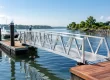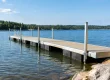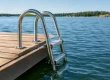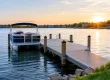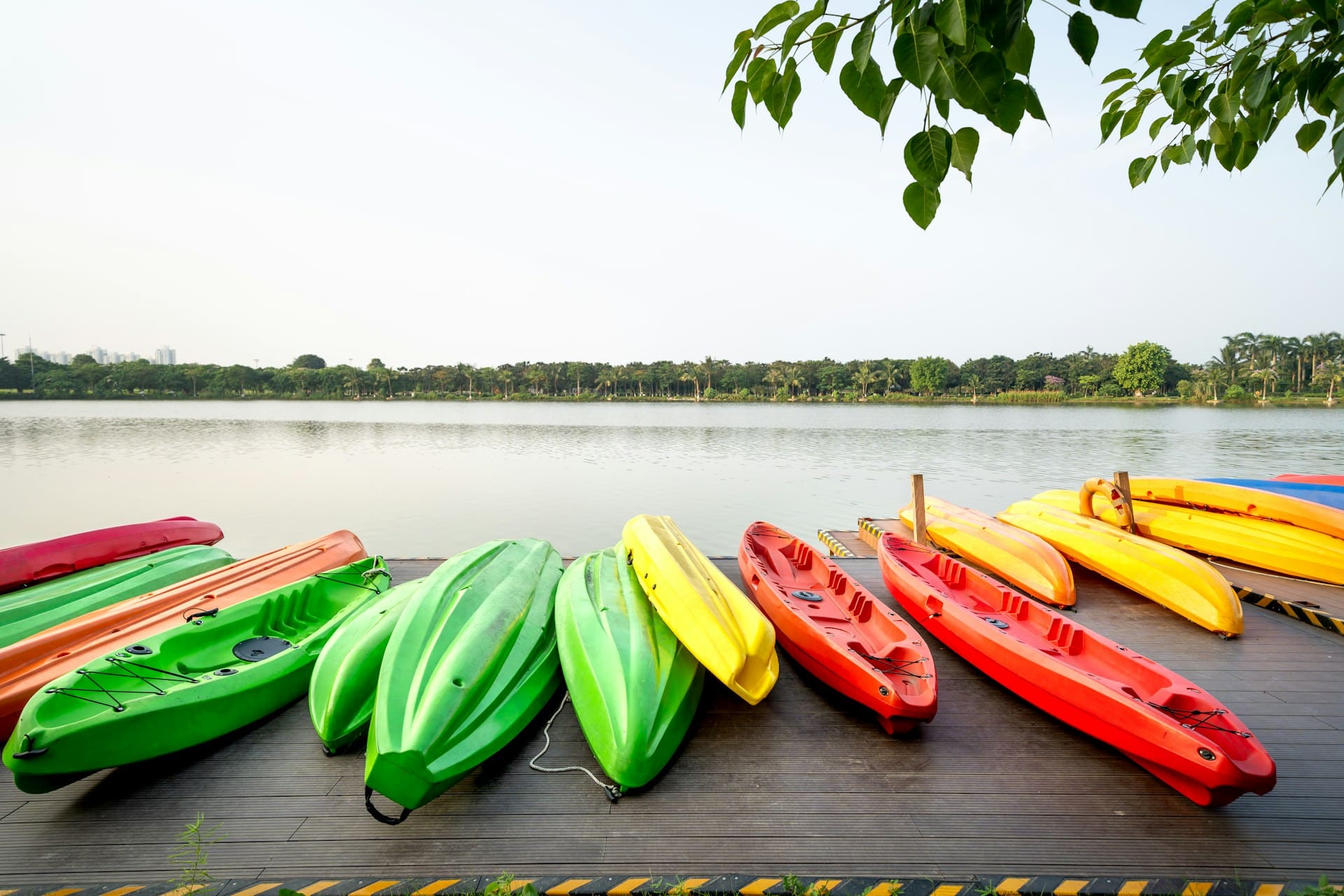
Paddlesports are exploding in popularity across Texas. Visitors want easy access to launch their kayaks, paddleboards, and canoes — and commercial properties have taken notice. Resorts, marinas, hotels, RV parks, waterfront restaurants, and mixed-use developments all benefit from offering simple, safe, and well-designed access to the water. These features attract more guests, support outdoor activity, and create memorable experiences that bring people back.
The good news is that adding paddlesport access doesn’t require heavy construction or complex permitting. With the right setup, any commercial waterfront can offer smooth launches that feel safe and professional. This guide breaks down everything commercial property owners need to know.
Start With a Dedicated Access Point
The biggest mistake people make is letting paddlers enter the water wherever they want. This creates conflicts with swimmers, boaters, and shoreline users — and increases liability.
A dedicated launch point should:
- Be away from boat ramps
- Avoid congested swimming areas
- Have clear signage directing paddlers
- Offer a stable, slip-resistant surface
- Include gentle slope entry or a floating platform
Dedicated access gives paddlers a safe, predictable place to enter the water.
Choose the Right Type of Launch System
Different commercial properties have different needs, so choosing the right launch matters.
1. Low-Angle Natural Launch
Best for: Resorts, RV parks, rental operations
Features:
- Simple shoreline entry
- Slip-resistant mats
- Gentle, stable slope
2. Modular Floating Kayak/SUP Launch
Best for: Marinas, hotels, high-traffic rentals
Features:
- Stable floating platform
- Handrails for grip
- Center channels for board/kayak alignment
- ADA-friendly options available
3. Transfer Benches and Accessible Launch Systems
Best for: State parks, public facilities, inclusive commercial spaces
Features:
- Level transfer benches
- Grab bars for stability
- Improved independence for users with mobility challenges
Floating systems are popular because they self-adjust to changing water levels, making them dependable in lakes and rivers.
Provide Clear, Visible Wayfinding
People need to know exactly where to go. Confusion increases risk and slows down activity.
Add clear signs for:
- Launch location
- Direction of paddle routes
- No-wake zones
- Return lanes
- Rental information (if applicable)
Strong wayfinding improves flow and reduces conflict.
Improve Safety With Edge Protection and Railings
A safe launch is a confident launch. Railings help prevent falls and give paddlers something to hold while entering or exiting their craft.
Include:
- Handrails along ramps
- Edge guards on floating docks
- Non-slip grips near transitions
- Low-profile bumpers
Rails also help kids, seniors, and beginners feel comfortable using the launch.
Add Comfort Features to Enhance the Experience
Comfort improves guest satisfaction and encourages repeat visits. Small amenities go a long way.
Consider adding:
- Benches or seating near the launch
- Shade structures
- Water bottle refill stations
- Gear racks for boards and paddles
- Storage or staging areas for groups
- Solar lighting for early morning or evening use
These features help guests prepare safely while keeping the area organized.
Plan for Heavy Use With Durable Materials
High-heat summers, fluctuating water levels, and constant foot traffic mean commercial spaces need tough materials.
Look for:
- UV-resistant decking
- Marine-grade hardware
- Long-life floats
- Heavy-duty anchoring
- ADA-ready surfaces
- Saltwater-safe materials (on the coast)
Durability keeps maintenance predictable and reduces mid-season downtime.
Add a Clear Launch-Flow Design
Crowds build quickly during peak seasons. A structured launch-flow system keeps the area organized.
Your flow should include:
- Staging zone where people prep their gear
- Launch zone with clear entry points
- Exit zone for returning paddlers
- Rest area away from high-traffic paths
Simple markings or signs reduce bottlenecks and improve safety.
Train Staff on Safety and Guest Assistance
Commercial properties benefit greatly from having staff who understand paddlesports.
Train them to:
- Help guests launch safely
- Identify unsafe conditions
- Check gear for proper fit
- Guide first-time paddlers
- Manage crowd flow
- Communicate rules and boundaries
Even basic training increases safety and visitor satisfaction.
Make Rentals Easy and Organized
If your commercial space offers kayak or paddleboard rentals, smooth operations matter.
Create a clear system for:
- Pickup and return
- Life jacket sizing
- Paddles and gear management
- Quick instructions for beginners
- Payment and waivers
The easier the rental process, the more guests you’ll attract.
Keep Up With Routine Maintenance
High-use launch areas require consistent attention.
Your maintenance checklist should include:
- Checking anchors
- Cleaning algae
- Tightening hardware
- Inspecting decking
- Refreshing signage
- Ensuring handrails remain tight
- Clearing debris from staging areas
Routine maintenance keeps the launch safe and professional.
Final Thoughts
Adding paddleboard, kayak, and canoe access is one of the best upgrades a commercial waterfront can make. It opens the door to new customers, improves the visitor experience, and supports the growing outdoor culture across Texas. With dedicated access points, stable floating systems, clear signage, durable materials, and strong maintenance routines, any commercial property can create a welcoming, long-lasting paddlesports area.
If your property is ready to add or upgrade a paddlesports launch, EZ Dock Texas can help design a solution built for Texas conditions. Visit the contact page at https://ezdocktexas.com/contact/ or stay connected through Facebook at https://www.facebook.com/EZDockTX/.