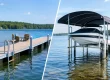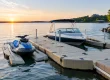
A dock rarely fails all at once. It begins with loose boards, unstable transitions, rusty hardware, recurring repairs, and the uneasy feeling that visitors should watch every step. The complete guide to replacing worn lake docks starts with recognizing when repairs are no longer protecting your investment and when a new system will deliver better safety, access, and long-term value.
For lake homes, ranches, marinas, parks, and commercial waterfronts, a dock replacement is more than a construction project. It is an opportunity to design access around the way people actually use the water – whether that means fishing at sunrise, launching kayaks, parking a pontoon, accommodating guests, or creating a safer public shoreline.
Know When Repair Has Reached Its Limit
A few replaceable deck boards or a loose cleat do not automatically mean the entire dock is finished. Many docks can be repaired when the frame, flotation, connection points, and anchoring system remain sound. The decision changes when deterioration affects the dock’s structure, stability, or ability to adapt to water conditions.
Look closely for several warning signs:
- Repeated rot, splitting, warping, or soft spots in the walking surface
- Corroded fasteners, failing welds, bent frame members, or shifting connections
- Waterlogged, cracked, or damaged flotation that leaves the dock sitting unevenly
- A fixed dock that becomes too high, too low, or inaccessible as lake levels change
- Ongoing repair bills that keep returning without solving the underlying problem
Older wood docks often demand the most attention. Sun, rain, wake action, changing water levels, and constant foot traffic can shorten the useful life of decking and supporting components. Steel-framed structures may look solid from shore while corrosion develops below the waterline or inside connection points.
Safety should be the deciding factor. If the dock moves unpredictably, has trip hazards, cannot support its intended load, or no longer provides dependable access from shore, replacement deserves serious consideration. This is especially true for community docks, rental operations, public facilities, and properties where children, older adults, or guests regularly use the waterfront.
Plan the Replacement Around How the Dock Will Be Used
The best replacement is not simply a newer version of the old layout. Start by identifying who will use the dock, what they need to access, and how conditions change during the year.
A homeowner may need a compact swim platform, a ladder, room for fishing, and a protected boat port. A marina may need stable slip access, organized utility routes, durable walkways, and a layout that can expand with demand. A park or municipal facility may need accessible routes, handrails, kayak launches, and materials that hold up to frequent public use.
Water depth and water-level movement matter just as much. Many reservoirs throughout Texas, Oklahoma, Arkansas, and New Mexico experience significant seasonal fluctuation. A fixed dock can become impractical when the shoreline moves or the deck elevation no longer aligns with the water. A floating dock rises and falls with the lake, helping maintain more consistent access when designed with the right gangway and anchoring system.
Also consider the approach from land. A good dock is only as usable as the connection between shore and water. Grade changes, erosion, stairs, retaining walls, and the length required for a gangway all affect the final design. A steep or undersized gangway can create an uncomfortable transition even when the dock itself is stable.
Make Room for Today and Tomorrow
Dock replacement is the right time to anticipate changing needs. A family may add a larger boat or personal watercraft. A campground may expand rentals. An HOA may need a gathering area, more fishing room, or safer circulation around boat slips.
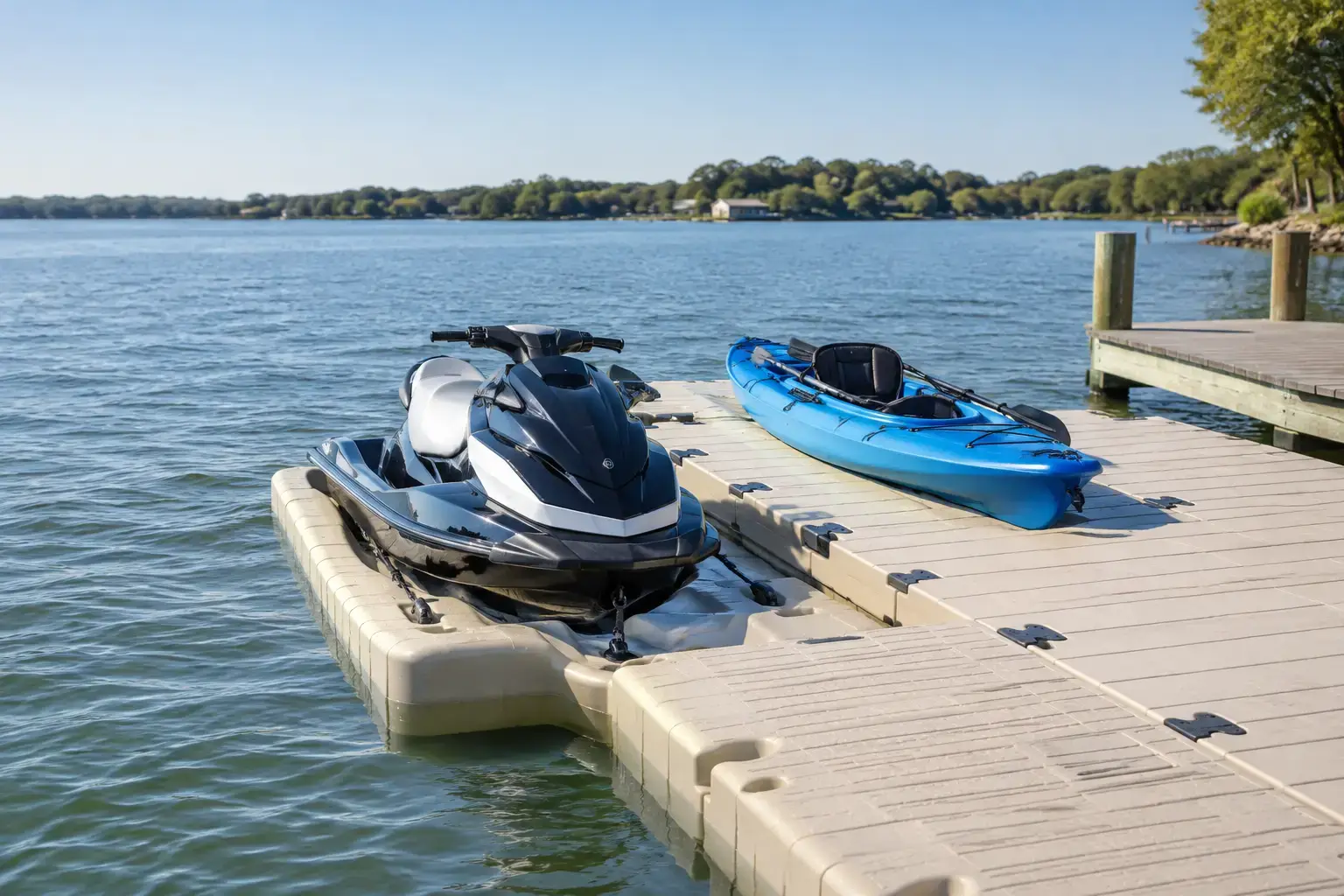
Modular floating dock systems are particularly useful when future flexibility matters. Sections can be configured for straight walkways, L-shapes, T-shapes, slips, platforms, launches, and connecting boardwalks. That does not mean every project should be oversized from the beginning. It means the initial layout can be designed with expansion and reconfiguration in mind, rather than forcing a complete rebuild later.
Choose Materials for Long-Term Ownership
The lowest upfront price is not always the lowest ownership cost. Traditional wood docks can have a familiar appearance, but they generally require recurring staining, board replacement, fastener inspections, and attention to rot. They may still make sense for limited-use private settings where appearance and a specific shoreline style are the priority, but owners should plan for maintenance.
Floating systems made from durable, rotationally molded polyethylene offer a different ownership model. They do not need painting or staining, resist splintering and corrosion, and provide a textured walking surface designed for wet environments. The modular design also allows individual sections or accessories to be changed without dismantling an entire waterfront installation.
Material selection should account for exposure, too. Intense sun, heat, wave action, debris, and high traffic all place different demands on a dock. American-made products engineered for waterfront use can offer a stronger long-term answer than a system built around materials that require frequent cosmetic and structural upkeep.
The surface should support the people using it. Wet traction, barefoot comfort, drainage, and edge visibility all deserve attention. For public-facing facilities, consider railings, safety curbing where appropriate, lighting, ladders, and clear routes to launches or boat access points.
Get Anchoring and Access Right
A floating dock is only as dependable as its anchoring plan. Anchoring keeps the dock positioned while still allowing it to move vertically with changing water levels. The right method depends on depth, bottom conditions, shoreline configuration, exposure to wind and wake, expected loads, and seasonal lake movement.
Some projects use piling systems, while others rely on pipe brackets, cable systems, deadweight anchors, or a combination of methods. Deep water, soft bottoms, rocky shorelines, and high-wind locations each require different solutions. There is no universal anchor pattern that works everywhere, which is why site-specific design matters.
Gangways also require careful planning. Their length and slope affect safety, accessibility, and daily comfort. At low water, a gangway that was acceptable at installation may become too steep. At high water, it needs adequate clearance and connection flexibility. A professional design can account for the expected operating range rather than designing only for the lake level visible on installation day.
For boat ports and personal watercraft ports, match the equipment to the vessel type, weight, hull shape, and launching habits. For paddlesports, a purpose-built kayak or canoe launch can make transfer easier and reduce the need to balance on a narrow dock edge. These are functional details that improve use every time someone reaches the water.
Understand Permits, Rules, and Site Constraints
Before removing an existing dock, confirm the governing requirements. Depending on the location, rules may come from a lake authority, property owners association, municipality, state agency, utility district, marina operator, or federal waterway manager. Setback requirements, dock dimensions, shoreline restrictions, lighting rules, and permit processes can all affect the design.
Replacing an existing dock does not always mean approval is automatic. A larger footprint, a new slip configuration, different anchoring, or a change from fixed to floating construction may trigger additional review. Commercial and public projects may also involve accessibility expectations, procurement procedures, engineering input, and higher liability considerations.
A site assessment should identify practical constraints before materials arrive. That includes shore access for delivery equipment, existing utilities, underwater obstructions, sediment conditions, and the best staging area for installation. Planning these details early helps avoid costly field changes.
Work With a Dock Partner From Design Through Installation
Dock replacement often involves more moving parts than property owners expect. Removal and disposal of the old structure, site measurements, design, anchoring, delivery, assembly, shore connections, accessories, and final adjustments must work together. A piecemeal approach can leave gaps between the dock, gangway, anchors, and shoreline access.
EZ Dock Texas helps customers evaluate worn systems and build customized floating dock solutions for residential, commercial, and public waterfronts. With more than two decades of regional experience, the team can help translate a shoreline, water-level range, and intended use into a practical dock layout built to last.
Before requesting a design consultation, gather a few useful details: photos of the existing dock and shoreline, approximate water depth, typical high and low water levels, desired uses, vessel information, and any known permit requirements. These details lead to a more accurate recommendation and a design that fits the property rather than a generic dock package.
A worn dock should not force you to limit time on the water or worry about the next repair. A carefully planned replacement can create a safer path to the shoreline, a better place to gather, and a waterfront system ready for the way you use your property now and in the years ahead.