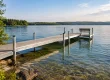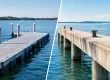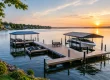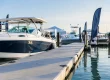
Public boardwalks and docks across Texas get busy fast, especially during warm months. Families, anglers, paddlers, kids, and tourists all gather in the same spaces—walking, resting, launching boats, and taking in the views. When these areas get crowded, the risk goes up. Trips, falls, collisions, and congestion become common problems. But with smart planning and consistent upkeep, your park, HOA, or municipal waterfront can easily handle heavy foot traffic while staying safe and enjoyable.
This guide breaks down the most effective strategies for managing high-traffic dock and boardwalk areas at Texas lakes, rivers, and coastal parks.
Start With a Walkthrough to Identify Traffic Patterns
Before making changes, begin with a simple walkthrough. Observe how people naturally move through the space. Most crowd issues follow a predictable pattern.
Watch for:
- Bottleneck points
- Sharp turns or blind corners
- Areas where people gather and stop
- Narrow transitions from land to dock
- Spots where kids run or play
- Dead ends that create backflow
These observations show you where upgrades or rerouting will have the biggest impact.
Widen Access Points Wherever Possible
Narrow entry points create instant congestion, especially during holidays or weekends. Even minor widening helps flow.
Consider:
- Expanding walkways by a foot or two
- Removing physical clutter
- Adding a second entrance where possible
- Redirecting equipment storage away from pathways
The smoother the entry, the safer the entire dock becomes.
Use Clear Signage to Direct Visitor Movement
People rarely move efficiently on their own—signs guide them without needing staff to intervene constantly.
Useful signs include:
- “One Way” walkway indicators
- “No Standing” or “Fishing Allowed in This Area Only”
- “Boat Launch Lane” vs. “Pedestrian Lane”
- “Keep Right” flow reminders
Signs replace confusion with order, which reduces accidents and visitor frustration.
Separate Activity Zones to Reduce Conflicts
When everyone uses the same space for different activities, chaos arrives fast. Good zoning keeps dock use organized and reduces risk.
Create designated areas for:
- Fishing
- Swimming or water entry
- Kayak and paddleboard launch
- Boat tie-ups
- Scenic viewing or seating
Zoning works even with small docks or short boardwalks. Simple markers or railings keep people in the right place.
Use Railings and Edge Protection in High-Traffic Areas
Railings prevent accidental slips, especially when children, seniors, or groups crowd the dock. They also guide movement so people don’t block the main walkway.
Place railings:
- Along narrow paths
- Near deep-water edges
- On ramps or angled areas
- Around viewing platforms
- At transitions from land to water
Edge protection doesn’t have to be tall—just enough to prevent accidents.
Upgrade Decking With Slip-Resistant Surfaces
Heavy foot traffic makes slippery surfaces more dangerous. Wet wood, algae, and smooth composite boards all increase slip risk.
Slip-resistant solutions include:
- Textured composite decking
- PVC decking designed for wet environments
- Anti-slip strips on ramps and transitions
- Routine surface cleaning
- Pressure washing to remove algae
Safer surfaces keep the dock usable even during busy weekends or wet mornings.
Use Lighting to Improve Night and Early Morning Visibility
Crowds don’t always leave at sunset. Evening fishing, night paddling, and early morning groups all count on lighting to move around safely.
Add lighting to:
- Walkways and ramps
- Dock edges
- Entrance points
- Gathering areas
- Boat launch lanes
LED or solar lighting offers a low-maintenance way to improve safety without adding major infrastructure.
Create Waiting and Rest Areas Away From Main Walkways
People stop constantly—taking pictures, tying shoes, baiting hooks, or talking. If they stop in walkway paths, traffic backs up fast.
Solve this by adding:
- Benches
- Shade areas
- Side platforms
- Viewing decks separate from traffic lanes
These small “pull-off zones” keep the flow moving and create more enjoyable spaces to relax.
Install Clear Markers for Boat and Pedestrian Zones
Boardwalks near marinas or public launches must keep boaters and pedestrians separate. Without markers, people wander into active boating lanes.
Use:
- Painted lines
- Dock cleat zones
- Signage for tie-up limits
- Pedestrian-only side paths
- No-access markers near boat landing areas
Clear zones reduce conflict and protect both boaters and walkers.
Add Trash and Gear Storage to Reduce Clutter
Clutter is one of the biggest traffic killers. Fishing gear, coolers, bags, strollers, chairs—they all pile up on walkways.
Offer:
- Trash and recycling bins
- Fishing line recycling tubes
- Gear racks or holders
- “No storage” zones near key access areas
Cleaner walkways stay safer and easier to navigate.
Build a Seasonal Maintenance Plan for High-Traffic Areas
Seasonal prep keeps boardwalks and docks strong under heavy loads. Create a maintenance calendar based on your traffic patterns.
Your plan should include:
- Pre-season inspections
- Weekly walk-throughs during peak months
- Cleaning schedules for slippery surfaces
- Hardware tightening
- Float inspections for docks
- Rail and ladder safety checks
- Signage replacements when faded
Consistent upkeep prevents sudden shutdowns or expensive repairs.
Use Staff or Volunteers During Peak Times
Even with good design, busy days need human presence. Staff or volunteers help guide traffic, answer questions, and prevent risky behavior.
Assign your team to:
- Direct visitors at dock entrances
- Monitor activity zones
- Assist families or seniors
- Keep fishing separate from swimming
- Communicate rules with a friendly tone
Visible staff create a calm, orderly environment.
Final Thoughts
Managing heavy foot traffic on boardwalks and docks isn’t about restricting fun—it’s about creating a safe, smooth, and enjoyable experience for everyone. With smart design, clear signage, zoned activity areas, slip-resistant surfaces, and consistent maintenance, your waterfront can easily handle crowds without stress or risk. Families relax more, guests feel safer, and your team spends less time managing problems.
If you’re ready to upgrade your dock system or redesign your waterfront for better traffic flow, EZ Dock Texas can help. Visit the contact page at https://ezdocktexas.com/contact/ or follow updates and project ideas on Facebook at https://www.facebook.com/EZDockTX/.