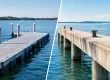
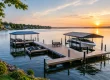
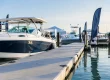
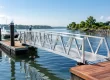
Fishing is a major part of Texas outdoor culture. Families gather on piers at sunrise, anglers spend afternoons casting lines, and visitors from all ages enjoy the calm and simplicity of being near the water. Public fishing piers are some of the most visited waterfront structures in parks, HOAs, city lakes, and regional recreation areas. But because they attract so many people, they also carry real safety responsibilities. A poorly maintained pier can lead to accidents, injuries, and dissatisfied visitors.
The good news? Most safety and experience upgrades are simple, affordable, and easy to implement. Here’s a clear guide to building safer, more enjoyable public fishing piers that serve your community year-round.
Start With a Full Pier Inspection Before Peak Season
A strong pier maintenance plan starts with a detailed inspection. Before peak fishing months arrive, walk the entire pier and look for anything that could cause injury or limit access.
Your checklist should include:
- Loose or warped deck boards
- Cracked or splintering surfaces
- Missing or rusted hardware
- Wobbly railings
- Soft or sagging pier sections
- Damaged floats (if the pier is floating)
- Signs of erosion near the shoreline connection
Catching small problems early prevents bigger repairs during high-traffic weekends.
Upgrade Decking With Slip-Resistant Surfaces
Wet surfaces and fishing go hand-in-hand. Splashes, bait, algae, and morning dew all make traditional wood decking slippery.
To improve traction:
- Use textured composite materials
- Add anti-slip strips in high-traffic areas
- Pressure wash algae-prone corners
- Maintain regular cleaning schedules
Slip-resistant surfaces significantly reduce falls and make the pier more enjoyable, especially for kids and seniors.
Add Comfortable, Safe Railings for All Ages
Railings protect visitors — especially on deeper water piers. But they need to be designed with fishing in mind.
Ideal railings include:
- A top rail for stability
- Lower cutouts or open sections for kids to fish through
- Clear spacing that doesn’t snag fishing lines
- Smooth edges to prevent scrapes
- Strong, rust-resistant materials
Safe railings create confidence and help reduce overcrowding near the edges.
Provide Adequate Lighting for Early or Late Fishing
Texas anglers don’t just fish during the day. Many prefer early morning or evening hours when fish are more active. Good lighting makes the pier safer and more inviting.
Add lighting to:
- Walkways
- Railings
- Ladders
- Entrance and exit points
- Cleaning stations
Solar lighting is often the easiest and most cost-effective option for public parks and community areas.
Designate Clear Fishing Zones to Reduce Conflict
Piers get crowded quickly. When anglers, kids, and casual visitors all use the same space, safety can decline. Zoning helps.
Create designated areas for:
- Fishing
- Cast nets
- Spectators or resting
- Families with children
- ADA-accessible fishing stations
Even simple signs or painted markers help organize foot traffic and prevent accidental injuries from hooks or cast lines.
Install Fishing Line Recycling Tubes
Loose fishing line is dangerous. Wildlife gets tangled in it, and visitors trip over it. Installing easy-to-use PVC recycling tubes encourages proper disposal.
Place tubes:
- At the pier entrance
- Near cleaning stations
- At rail corners
- Along popular casting spots
This small addition makes a big difference for both safety and environmental protection.
Add Benches, Shade, and Comfort Features
Fishing can take hours. Giving anglers a place to rest increases satisfaction and reduces the temptation to lean precariously on railings.
Comfort upgrades include:
- Shaded seating
- Benches placed away from casting lanes
- Lean rails for support
- Trash and recycling bins
- Sheltered waiting or viewing spots
Comfort keeps visitors longer and makes the pier feel like a true community space.
Protect Pier Edges With Bumpers and Reinforcements
Wind, waves, and boats can damage pier edges — even when the pier isn’t meant for boat tie-ups. Reinforcing edges prevents structural wear.
Add:
- Rubber or PVC bumpers
- Heavy-duty corner guards
- Reinforced transition plates
These help the pier stay strong during rough conditions.
Create ADA-Friendly Access for Inclusive Fishing
Accessible fishing areas help everyone enjoy the water. ADA-friendly upgrades include:
- Wide pathways
- Smooth, slip-resistant surfacing
- Lower fishing rail cutouts
- Transfer benches
- Ramps instead of steps
- Accessible seating areas
Inclusive design increases usage and removes barriers for seniors and visitors with disabilities.
Improve Safety With Clear, Simple Signage
Good signage reduces confusion and helps manage expectations.
Post signs for:
- Pier rules
- Catch limits (if regulated)
- Depth markers
- “No diving” warnings
- Hours of use
- Safety reminders
- Wildlife protection guidelines
Clear signs reduce conflicts and protect both visitors and the pier.
Maintain Water Access Points Like Ladders and Steps
Accidents happen. People may slip, lose balance, or drop items into the water. A safe ladder or step system ensures they can exit the water quickly and safely.
Inspect ladders for:
- Loose bolts
- Corrosion
- Missing grip strips
- Stability
A secure ladder is a must-have for any public pier.
Create a Consistent Maintenance Schedule
Consistency is the key to long-lasting piers.
Your schedule should include:
- Weekly trash removal
- Seasonal algae cleanings
- Hardware tightening
- Deck inspections
- Float checks (if applicable)
- Signage reviews
- Lighting tests
Regular upkeep protects your investment and keeps the pier safe for year-round use.
Final Thoughts
Public fishing piers serve families, anglers, and visitors from all walks of life. When they are safe, clean, accessible, and well-organized, they become some of the most loved community features in Texas. By improving railings, lighting, comfort areas, signage, decking, and maintenance routines, you create a pier that stays enjoyable and reliable all year long.
If your team is planning to upgrade or expand a public fishing pier, EZ Dock Texas can help you design long-lasting solutions built for Texas weather. Visit the contact page at https://ezdocktexas.com/contact/ or follow updates and project ideas on Facebook at https://www.facebook.com/EZDockTX/.