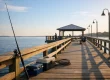
To design safe waterfront recreation areas, Texas municipalities must prioritize clear physical boundaries between motorized and swimming zones using high-visibility buoys. Essential safety features include non-slip modular decking, gradual shore-to-water transitions, and strategically placed life-jacket loaner stations. Integrating solar lighting and standardized emergency signage further reduces risk while ensuring 24/7 facility safety.
Key Takeaways:
- Use physical buoy lines to separate swimmers from boat traffic.
- Install high-traction, heat-resistant decking to prevent slips and burns.
- Provide “reach-throw-go” rescue equipment at clearly marked intervals.
- Design gradual, unobstructed transitions from land to water for all users.
- Implement solar-powered pathway lighting for dusk and dawn safety.
Why This Matters
In Texas, waterfronts are the heartbeat of summer recreation, but they are also high-risk environments. With rising visitor numbers at county and state parks, the complexity of managing mixed-use areas—where jet skis, kayakers, and swimmers coexist—has increased.
Creating safe waterfront recreation areas is not just about following a checklist; it’s about “designing out” danger. By using modern infrastructure and intuitive layouts, Texas park managers can significantly reduce the likelihood of drownings, slip-and-fall injuries, and vessel collisions, protecting both the public and the city’s legal standing.
Common Mistakes to Avoid
- Ambiguous Zoning: Failing to use physical markers to show where swimming ends and boat lanes begin.
- Slippery Surface Materials: Using traditional wood or smooth concrete that becomes a “slip-and-slide” when wet or algae-covered.
- Inaccessible Emergency Gear: Placing life rings or first aid kits in locked offices rather than at the water’s edge.
- Obscured Sightlines: Allowing overgrown vegetation or large structures to block the view of lifeguards or parents.
- Steep Shoreline Drops: Creating sudden depth changes near the shore without warning, which can lead to “step-off” drownings.
- Ignoring the Texas Heat: Using dark metal or composite materials that reach skin-burning temperatures in July.
Best Practices
Safety-first design requires a multi-layered approach to infrastructure.
1. Zone-Based Layouts
Physical separation is the most effective safety tool. Use “slow-no-wake” buoys 100 feet from any swim area or dock. For swimming zones, use roped buoy lines with “internal” shallow-water markers for children and “external” markers for experienced swimmers.
2. High-Traction Decking
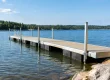
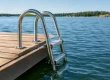
The transition from water to land is where most minor injuries occur. Use modular HDPE decking with a molded-in non-slip texture. Unlike wood, these materials don’t splinter, and they remain significantly cooler under the Texas sun, preventing “barefoot burns.”
3. Integrated Rescue Stations
Standardize your “Rescue Hubs.” Every 100 feet of public dock or 200 feet of shoreline should have a clearly visible station containing:
- A U.S. Coast Guard-approved life ring with a throw rope.
- A “Reach Pole.”
- A sign with the park’s physical address for 911 callers.
4. ADA and Universal Access
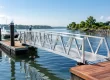
Safety must be inclusive. Ensure that gangways have handrails on both sides and that the slope never exceeds 1:12. Transition plates should be used to bridge gaps between the shore and the dock, eliminating trip hazards for those with strollers or wheelchairs.
Maintenance & Operations Plan
- Daily: Inspect swim lines for breaks and ensure life jacket loaner stations are stocked.
- Weekly: Scrub dock surfaces to remove any early algae film.
- Monthly: Test the tension on gangway bolts and anchoring cables.
- Seasonally: Conduct a “depth survey” to ensure silting hasn’t created new underwater hazards or shallow-water diving risks.
Budget & Planning Notes
- Longevity vs. Repair: Modular HDPE systems often have a higher initial CAPEX than timber, but the OPEX is near zero. No staining, board replacement, or splinter-sanding is required.
- Grant Eligibility: Many Texas safety grants (like those from TPWD) prioritize projects that include ADA-compliant launches and life-saving equipment.
Safety & Liability Considerations
While no waterfront is 100% risk-free, “standard of care” is the legal benchmark. Documenting your daily safety sweeps and using industry-standard modular equipment demonstrates that the municipality is taking proactive steps to maintain safe waterfront recreation areas.
FAQ
How do we prevent diving accidents at public lakes?
The best way is a combination of “No Diving” icons molded directly into the dock surface and clear depth markers. Ensure the design doesn’t include high platforms that invite jumping.
What is the “Reach, Throw, Don’t Go” principle?
It is a rescue strategy where bystanders are encouraged to reach with a pole or throw a buoy rather than entering the water themselves, which often leads to double drownings.
Are life jacket loaner stations effective?
Extremely. Studies show that having free PFDs (Personal Flotation Devices) visible at the entry point significantly increases usage among children and weak swimmers.
How do we handle lighting for late-night safety?
Use solar-powered LED dock lights that are recessed or flush-mounted. This prevents trip hazards while providing enough light for visitors to find their way back to shore safely.
What is the safest slope for a swim beach entry?
A gradual “zero-entry” slope (1:20 is ideal) allows swimmers to feel the depth change slowly and is much safer for small children and seniors.
How often should we replace buoy lines?
In the Texas sun, nylon ropes can degrade in 2–3 years. Inspect them annually for “fuzzing” or brittle fibers and replace as needed to ensure they don’t snap during a storm.
Can we make our docks safer for pets?
Yes. Using “close-set” modular sections prevents paws from getting stuck in gaps, and adding a dedicated “pet ramp” can help dogs get out of the water easily.
What is the best way to mark underwater hazards?
Use orange “Hazard” buoys with diamond symbols. These should be placed over submerged stumps, rocks, or old footings that are within 3 feet of the surface.
Checklist for Safety Directors
- [ ] Verify all swim area buoys are anchored and visible.
- [ ] Check all dock surfaces for “snag” hazards or loose screws.
- [ ] Ensure life jacket loaner racks are full and jackets are in good condition.
- [ ] Test the “slip resistance” of walkways when wet.
- [ ] Confirm that “No Wake” zones are being enforced by signage or patrol.
- [ ] Check that all gangway handrails are sturdy and vibration-free.
- [ ] Audit lighting for “dark spots” along the shoreline.
- [ ] Ensure every rescue station has a functional throw-rope.
- [ ] Review the “Emergency Action Plan” with all seasonal staff.
- [ ] Verify that depth markers are accurate following recent rains or droughts.
- [ ] Document the date and findings of the monthly safety walk-through.
Creating a secure environment for families to enjoy the water is a core mission for any park department. At EZ Dock Texas, we provide the durable, high-performance infrastructure needed to build and maintain safe waterfront recreation areas across the Lone Star State. From non-slip surfaces to ADA-compliant gangways, we help you meet the highest safety standards without sacrificing guest enjoyment. To learn more about our safety-focused designs, contact us today or join the conversation on Facebook.