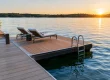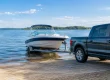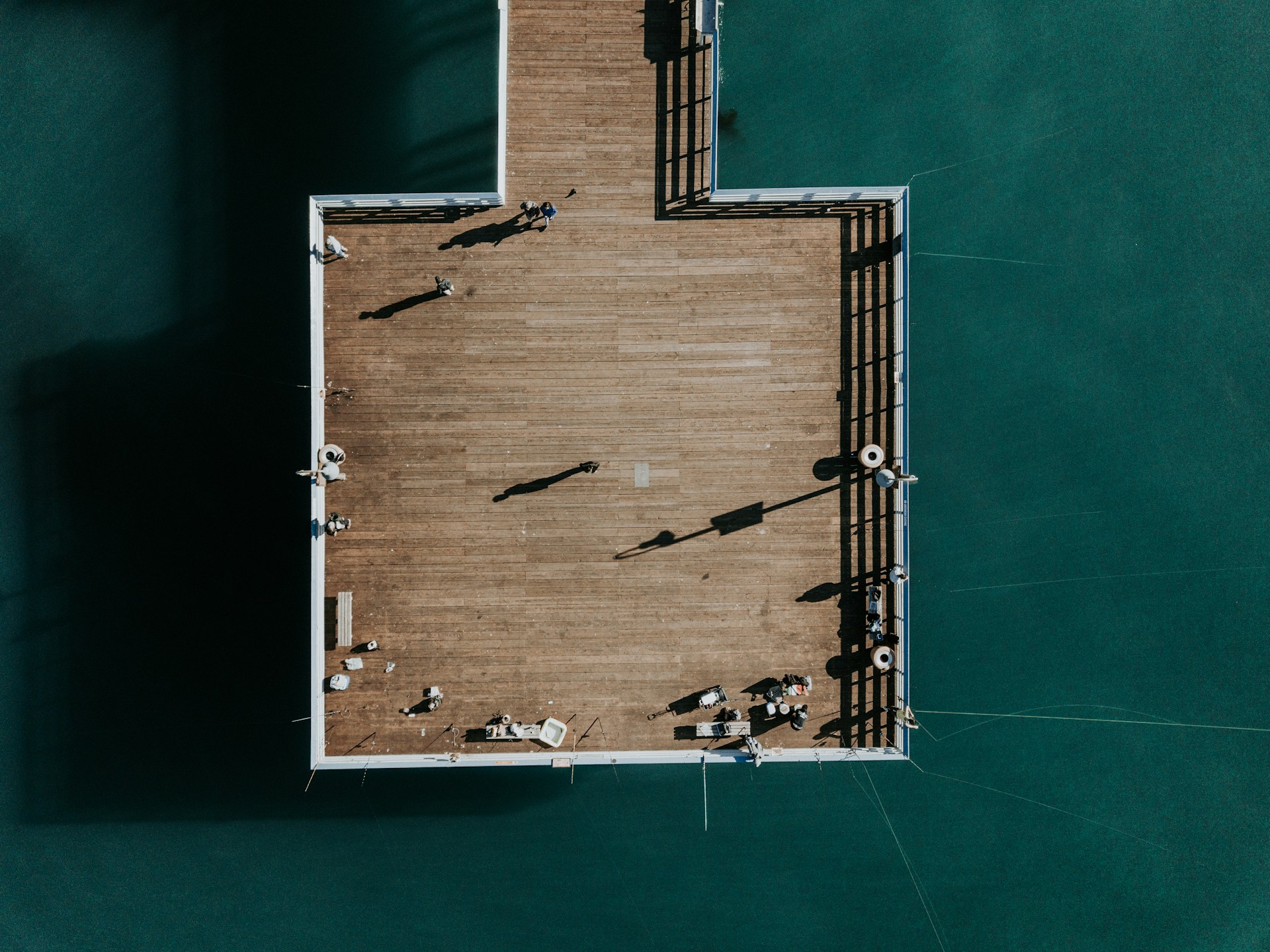
Success in planning waterfront amenities begins with a thorough site analysis of water depth and soil stability. Beginners should prioritize modular, scalable infrastructure that minimizes shoreline disturbance. Key amenities include designated launch points for varied craft, shaded seating, and integrated safety stations, all designed with ADA-compliant transitions to ensure universal access and long-term community value.
Key Takeaways:
- Start with a professional site survey to map water depth and terrain.
- Prioritize modular equipment to bypass heavy construction and long permitting.
- Designate specific zones for motorized, non-motorized, and passive use.
- Focus on universal design to ensure ADA compliance from the outset.
- Choose durable, UV-resistant materials to lower future operational burdens.
Why This Matters
For many Texas municipalities, the waterfront is the most valuable recreational asset, yet it is often the most complex to develop. Planning waterfront amenities requires more than just picking out benches; it involves understanding the dynamic nature of Texas water bodies, which can rise and fall 20 feet in a single season.
A well-planned waterfront serves as a “force multiplier” for a parks department, driving tourism, increasing physical activity, and boosting local property values. Conversely, poor planning leads to “white elephant” structures that are either submerged or inaccessible within five years. For the beginner, the goal is to create a resilient foundation that can grow as the community’s needs evolve.
Common Mistakes to Avoid
- Assuming Static Water Levels: Planning for “full pool” only, leaving docks stranded during typical Texas droughts.
- Overbuilding Fixed Infrastructure: Pouring concrete or driving permanent pilings where a flexible floating system would be more effective.
- Neglecting the “Last 50 Feet”: Focusing on the dock but failing to provide a safe, accessible path from the parking lot to the water.
- Underestimating Utility Needs: Forgetting to plan for trash receptacles, solar lighting, or hose bibbs until after the dock is installed.
- Poor Zoning of Activities: Allowing fishing, swimming, and boat launching to occur in the same space, creating safety hazards.
- Choosing High-Maintenance Materials: Using wood that requires annual staining and eventual board replacement, straining future budgets.
Best Practices
Follow these foundational steps to move from concept to completion.
1. The Site Assessment Phase
Before buying hardware, you must understand the environment.
- Bathymetry: Map the underwater terrain. You need at least 3 feet of water at the lowest expected lake level for most docks.
- Prevailing Winds: Determine the primary wind direction to ensure docks are oriented to minimize wave impact and make docking easier for boaters.
2. Prioritize “Plug-and-Play” Infrastructure
For departments with limited construction crews, modular floating systems are the gold standard. They arrive pre-fabricated and can be assembled on-site. This significantly reduces the need for heavy machinery and helps in planning waterfront amenities that can be easily rearranged if your site usage changes.
3. Design for Multi-Generational Use
A successful waterfront caters to everyone.
- The Active User: Provide stable launches for kayaks and paddleboards.
- The Passive User: Include wide platforms with benches for seniors and birdwatchers.
- The Family: Ensure all railings are “child-safe” and surfaces are heat-resistant for bare feet.
4. Streamline Permitting
In Texas, work near water often involves the Army Corps of Engineers or local river authorities (like the LCRA or BRA). Choosing “low-impact” modular systems can often speed up the permit process because they don’t involve dredging or permanent soil disturbance.
Maintenance & Operations Plan
Design with the “end in mind” to ensure your crew isn’t overwhelmed.
- Quarterly: Inspect all connection hardware and anchoring tension.
- Biannual: Adjust dock positioning if lake levels have shifted significantly.
- Annual: Conduct a safety audit of all non-slip surfaces and transition plates.
- Documentation: Keep a digital log of all inspections to track the lifecycle of your amenities.
Budget & Planning Notes
- CAPEX Thinking: While modular systems may have a higher purchase price than lumber, the “Total Cost of Ownership” is much lower due to the 25+ year lifespan.
- Phasing: If the total budget isn’t available, plan the project in phases. Phase 1: Main walkway and one launch; Phase 2: Additional slips or fishing platforms.
Safety & Liability Considerations
Safety is the foundation of public trust.
- Standardized Signage: Use high-contrast signs for “No Diving,” “No Wake,” and “Life Jacket Recommended.”
- Transition Security: Ensure the gangway is secured with a transition plate that eliminates the “gap” between the land and the floating dock.
- Rescue Equipment: Designate “Rescue Hubs” at the entrance to every pier or launch.
FAQ
What is the first step in planning waterfront amenities?
The first step is a site evaluation that measures water depth and soil stability at the shoreline to determine the best anchoring method.
How do we choose between a fixed pier and a floating dock?
In Texas, floating docks are almost always better because they maintain a constant height relative to the water, which is safer for users and protects the structure during floods.
Do we need a consultant for small waterfront projects?
While large parks benefit from a master planner, many small-to-mid-sized projects can be handled by working directly with an experienced modular dock provider who understands local Texas regulations.
How do we make our waterfront ADA compliant?
Focus on the gangway slope (1:12 maximum) and ensure the dock surface is stable and features edge protection or handrails.
Can we add fishing areas to a boat dock?
Yes, but it’s best to use a “T” or “L” shaped design to separate fishing lines from boat propellers for safety.
What is the best material for a public dock?
High-density polyethylene (HDPE) is preferred for its durability, lack of splinters, and resistance to the intense Texas sun.
How do we protect our investment from Texas storms?
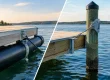
Proper anchoring—using either vertical pilings with sliders or “deadweight” anchors with elastic mooring lines—allows the dock to absorb wave energy without breaking.
What are the most popular amenities to include?
Kayak launches, shaded benches, fishing rails, and solar-powered lighting are the top-requested features for modern Texas parks.
Checklist for New Park Directors
- [ ] Conduct a depth survey at low, mean, and high water levels.
- [ ] Identify the primary user groups (fishermen, boaters, paddlers).
- [ ] Review local and state permitting requirements for “non-permanent” structures.
- [ ] Create a preliminary site map showing visitor flow from the parking lot.
- [ ] Select a modular system that allows for easy future expansion.
- [ ] Verify the buoyancy rating for the expected “peak” visitor load.
- [ ] Plan for ADA-compliant gangways and transition plates.
- [ ] Choose a non-slip, heat-resistant decking material.
- [ ] Budget for solar lighting and emergency rescue equipment.
- [ ] Establish a 5-year maintenance and inspection schedule.
- [ ] Consult with a local waterfront expert on anchoring conditions.
- [ ] Designate a clear “No-Wake” zone for all adjacent water.
Starting a new waterfront project can be daunting, but you don’t have to navigate it alone. At EZ Dock Texas, we act as a local partner to help Texas parks and rec departments simplify the process of planning waterfront amenities. Our modular systems provide the flexibility and durability needed to create world-class recreation areas that grow with your community. To get a head start on your site assessment, contact us today or browse our recent municipal projects on Facebook