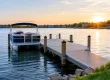
Accessible waterfront design in Texas parks requires stable surfaces, gentle slopes, clear pathways, and safe access points. Designing for families, seniors, and accessibility needs improves usability, increases participation, and reduces safety risks across all user groups.
Key Takeaways
- Accessibility improves usability for all visitors
- Stable surfaces reduce fall risk
- Clear paths improve navigation
- Inclusive design increases usage
- Accessibility reduces liability exposure
Why This Matters
Texas parks serve a wide range of users—families with kids, older adults, and individuals with mobility challenges.
Designing only for able-bodied users limits:
- Participation
- Community value
- Compliance
Accessible waterfront design is both a requirement and a practical advantage.
Common Mistakes to Avoid
- Steep or uneven access paths
- Narrow walkways
- Lack of handrails
- Poor transition between land and dock
- Ignoring ADA requirements
- Slippery surfaces
- No seating or rest areas
Best Practices
1. Use Stable, Slip-Resistant Surfaces
Ensure safe movement in wet conditions.
2. Design Gradual Slopes
Avoid steep transitions to water access.
3. Provide Handrails and Support
Critical for seniors and mobility-limited users.
4. Create Clear, Wide Pathways
Allow safe passage for all users.
5. Include Rest Areas
Benches and shaded areas improve usability.
Maintenance & Operations Plan
Weekly
- Inspect surfaces and railings
Monthly
- Check for wear or damage
Quarterly
- Review accessibility compliance
Budget & Planning Notes
- Accessibility should be built in, not added later
- Budget for durable materials
- Plan for long-term maintenance
- Avoid costly retrofits
Safety & Liability Considerations
Poor accessibility increases:
- Fall risk
- Injury claims
- Compliance issues
Accessible design reduces exposure.
FAQ
What is accessible waterfront design in Texas parks?
Design that allows safe use by all visitors, including seniors and those with disabilities.
Are parks required to meet ADA standards?
Yes, for public facilities.
What makes a dock accessible?
Stable surfaces, gentle slopes, and proper transitions.
Why include seating areas?
They improve usability for older visitors.
What is the biggest mistake?
Designing only for able-bodied users.
Does accessibility increase cost?
Upfront slightly, but reduces long-term issues.
How often should accessibility be reviewed?
At least annually.
Does accessibility improve usage?
Yes, significantly.
Checklist
- Use slip-resistant surfaces
- Design gradual slopes
- Install handrails
- Ensure wide pathways
- Add seating areas
- Meet ADA standards
- Inspect regularly
- Budget for maintenance
- Plan for all users
- Review annually
Accessible waterfront design in Texas parks isn’t just compliance—it’s smart planning that improves safety and usability for everyone. The spaces that work for all users get used more and last longer. If you’re evaluating accessibility improvements, EZ Dock Texas can help guide planning decisions. Contact here: https://ezdocktexas.com/contact/ or follow here: https://www.facebook.com/EZDockTX/