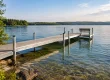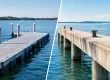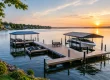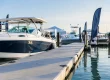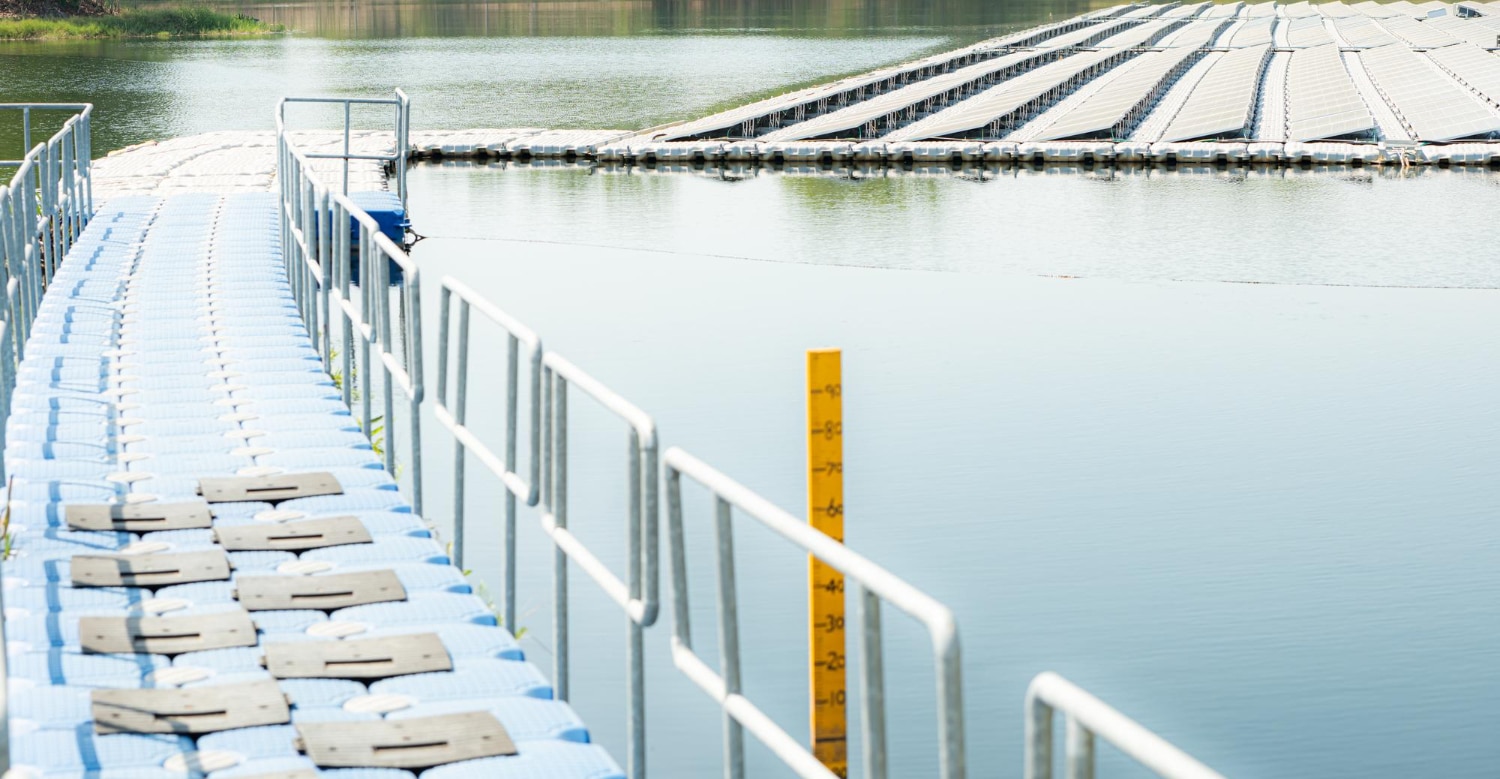
A low-maintenance waterfront facility is designed to reduce repair frequency, simplify inspections, improve durability, and lower long-term operational strain. Texas public agencies increasingly prioritize infrastructure that handles fluctuating water levels, heavy recreation traffic, and weather exposure without creating constant maintenance demands or staffing pressure.
Key Takeaways
- Lifecycle costs matter more than initial construction savings.
- Durable layouts reduce staffing and repair pressure over time.
- Preventive maintenance lowers emergency repair expenses significantly.
- Simplified infrastructure improves long-term operational consistency.
- Waterfront durability directly affects public safety and liability.
Why This Matters
Most public waterfront problems do not start with catastrophic failure.
They start slowly through constant small repairs, rising labor demands, aging infrastructure, deferred inspections, shoreline wear, hardware corrosion, drainage problems, and operational strain that builds year after year.
For Texas parks departments, municipalities, HOAs, and marina operators, maintenance burden has become one of the biggest long-term operational challenges tied to waterfront infrastructure.
Many facilities were built decades ago under very different recreation patterns. They were not designed for today’s traffic volume, accessibility expectations, paddlesports growth, or year-round public use.
Now agencies face a difficult reality.
Visitors expect clean, safe, reliable waterfront access, but staffing levels and maintenance budgets often remain limited. That creates pressure to stretch aging infrastructure beyond its intended lifespan.
A low-maintenance waterfront facility helps solve that problem by reducing operational complexity from the beginning.
That does not mean maintenance-free.
No public waterfront infrastructure is truly maintenance-free in Texas conditions. UV exposure, fluctuating water levels, storms, algae growth, heavy foot traffic, and shoreline movement will always require inspections and upkeep.
The goal is reducing:
- Repair frequency
- Downtime
- Labor intensity
- Replacement costs
- Emergency maintenance
- Operational disruption
Facilities that ignore long-term maintenance planning usually pay for it later through escalating repair costs and declining public trust.
For example, some older waterfront areas rely heavily on materials that deteriorate quickly under constant moisture and sun exposure. Others require difficult inspections because maintenance access was never considered during planning. Some facilities create repeated shoreline erosion because visitor movement patterns funnel traffic into unstable areas.
Over time, these problems compound.
That is why more public agencies now evaluate waterfront projects using lifecycle thinking instead of simply comparing upfront construction costs.
A cheaper installation that creates high annual maintenance costs often becomes more expensive within only a few years.
Low-maintenance planning focuses on long-term operational stability.
That includes:
- Durable materials
- Simplified layouts
- Accessible inspection points
- Modular repair capability
- Reduced corrosion exposure
- Better drainage
- Organized visitor flow
- Easier cleaning and debris removal
The operational benefits extend beyond maintenance crews.
Facilities with lower maintenance burden usually stay open more consistently, create fewer safety risks, and reduce frustration for both staff and visitors.
That reliability matters for tourism, public confidence, and long-term budget planning.
Common Mistakes to Avoid
- Prioritizing lowest upfront cost over lifecycle durability
- Using materials poorly suited for constant moisture exposure
- Ignoring maintenance access during facility design
- Delaying small repairs until major failures occur
- Overcomplicating waterfront layouts with unnecessary features
- Allowing shoreline erosion near public access points
- Failing to document inspection and maintenance procedures
Best Practices
Focus on Lifecycle Cost, Not Just Installation Cost
Public agencies should evaluate:
- Repair frequency
- Labor requirements
- Replacement schedules
- Downtime exposure
- Inspection complexity
- Material longevity
before approving waterfront projects.
A facility with lower annual maintenance often creates stronger long-term financial performance.
Simplify Infrastructure Layouts
Overly complex waterfront systems often create more maintenance points than necessary.
Simple circulation patterns, organized access routes, and modular layouts usually reduce operational problems significantly.
Improve Drainage and Water Management
Standing water accelerates deterioration on walkways, ramps, staging areas, and shoreline access points.
Good drainage planning helps reduce:
- Surface wear
- Slipping hazards
- Erosion
- Material breakdown
- Maintenance workload
Build Easier Inspection Access
Maintenance crews should safely reach connectors, utilities, structural components, and shoreline stabilization areas without difficult access conditions.
If inspections are difficult, they often get delayed.
Standardize Components
Facilities using standardized hardware and replaceable sections typically simplify repairs and reduce inventory challenges for maintenance teams.
This becomes especially important for large municipal systems.
Maintenance & Operations Plan
Daily
- Inspect high-traffic walkways and launch areas
- Remove debris from shoreline access points
- Check visible safety hazards
Weekly
- Inspect hardware and structural connectors
- Review algae buildup and slip conditions
- Check drainage and runoff areas
Monthly
- Inspect shoreline wear patterns
- Evaluate lighting and visibility conditions
- Review ADA access routes
Quarterly
- Perform structural inspection reviews
- Evaluate maintenance workload trends
- Review visitor damage patterns
Annually
- Conduct full infrastructure assessment
- Review lifecycle replacement planning
- Update maintenance budgeting projections
Budget & Planning Notes
Many public agencies underestimate how quickly maintenance costs compound over time.
A waterfront facility that requires constant repairs often creates:
- Rising labor costs
- More closures
- Emergency contractor expenses
- Visitor complaints
- Increased liability exposure
That is why long-term maintenance forecasting matters.
Decision-makers should evaluate:
- Annual maintenance hours
- Repair accessibility
- Material replacement cycles
- Staffing availability
- Environmental exposure
- Storm resilience
- Seasonal operating pressure
Phased modernization plans often allow agencies to reduce maintenance burden gradually instead of waiting for full infrastructure failure.
Grant funding may also support projects tied to accessibility, environmental improvement, or public recreation expansion.
Safety & Liability Considerations
Poor maintenance directly affects waterfront safety.
Loose hardware, deteriorating walkways, erosion, poor lighting, and neglected access routes increase liability risk quickly in public recreation areas.
Facilities should maintain:
- Documented inspections
- Slip-resistant surfaces
- Safe shoreline transitions
- Reliable lighting
- Clear emergency access
- Visible safety signage
- Consistent repair schedules
Deferred maintenance often creates both operational and legal risk exposure.
This content is informational only and not legal advice.
FAQ
What makes a low-maintenance waterfront facility different?
These facilities are designed to reduce repair frequency, simplify inspections, improve durability, and lower operational strain over time.
Why do maintenance costs rise so quickly at public waterfronts?
Constant moisture, UV exposure, heavy traffic, algae growth, and fluctuating water conditions accelerate wear significantly.
Should agencies prioritize lifecycle costs?
Absolutely. Lower upfront costs often create higher long-term operational expenses if maintenance burden becomes excessive.
How important is modular repair capability?
Very important. Smaller replaceable sections usually reduce downtime and simplify repairs.
Why does visitor flow affect maintenance?
Poor circulation patterns concentrate wear and damage in high-traffic areas, increasing repair frequency.
How often should public waterfronts be inspected?
Busy facilities should perform regular visual inspections weekly and larger structural reviews annually.
What creates the biggest maintenance burden?
Deferred repairs, shoreline erosion, outdated materials, and poor drainage create many long-term operational problems.
Can low-maintenance planning improve safety?
Yes. Better-maintained facilities reduce slipping hazards, structural problems, and emergency repair situations.
How do changing Texas water levels affect maintenance?
Water fluctuations increase stress on shoreline access, ramps, and infrastructure connections throughout the year.
Why are municipalities modernizing older waterfronts now?
Many aging facilities no longer support current recreation demand, accessibility expectations, or maintenance realities effectively.
Checklist
☐ Review annual maintenance costs
☐ Inspect shoreline erosion conditions
☐ Evaluate drainage performance
☐ Review inspection access safety
☐ Assess hardware corrosion exposure
☐ Evaluate lighting reliability
☐ Review ADA accessibility routes
☐ Document recurring repair locations
☐ Inspect high-traffic wear areas
☐ Review seasonal water-level impacts
☐ Standardize repair components where possible
☐ Update preventive maintenance schedules
☐ Review lifecycle replacement priorities
☐ Evaluate staffing workload trends
☐ Plan phased modernization improvements
As Texas parks, municipalities, HOAs, and marina operators continue balancing public recreation demand with staffing and budget realities, building a low-maintenance waterfront facility has become a long-term operational priority. Organizations evaluating waterfront upgrades, phased modernization plans, or infrastructure durability improvements can connect with EZ Dock Texas or follow regional waterfront insights and planning discussions on Facebook.