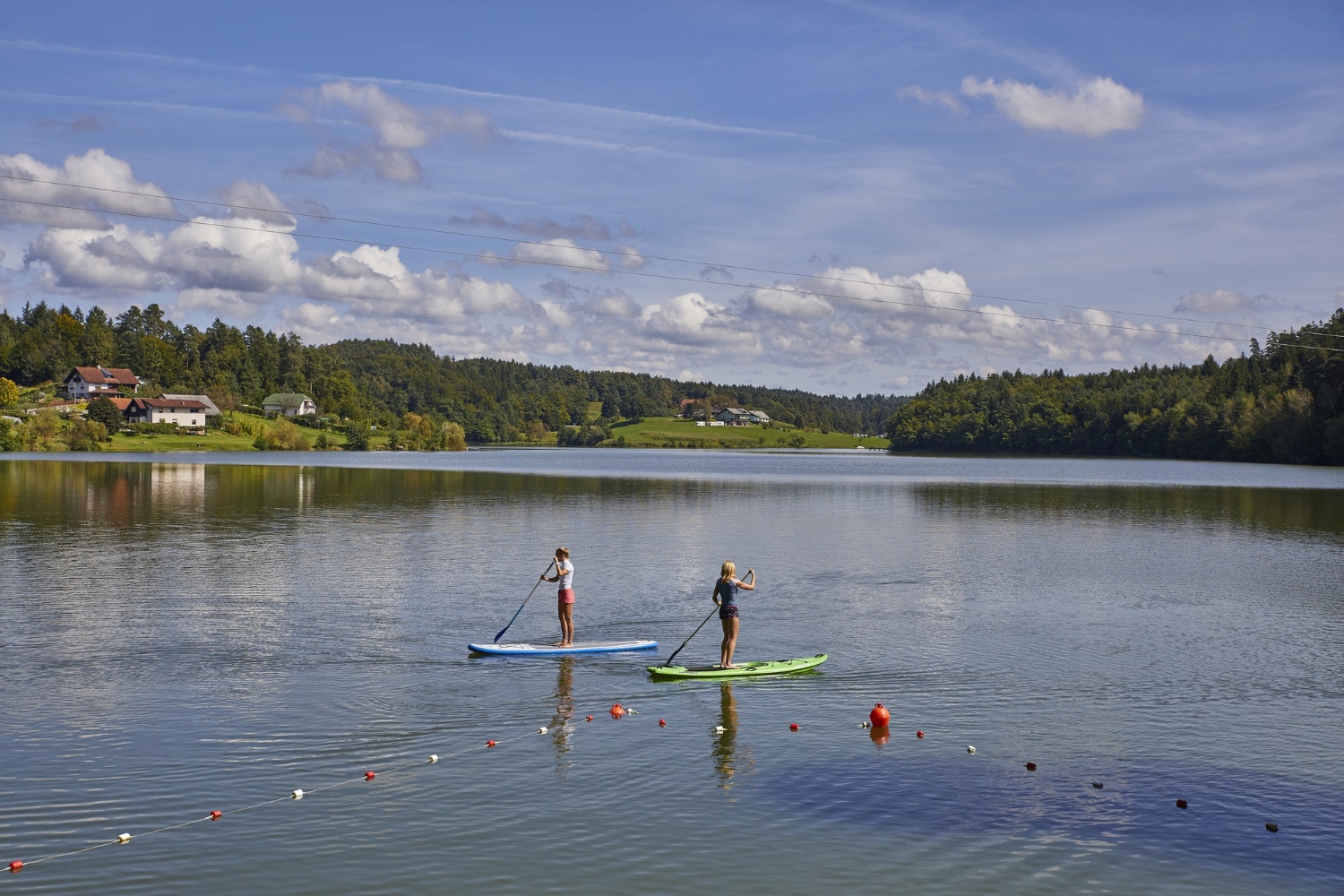
Boat-free recreation zones at Texas public lakes improve safety by separating swimmers, paddlers, and boat traffic. Clear boundaries, visible markers, consistent enforcement, and smart placement reduce collisions, improve visitor experience, and lower liability risk.
Key Takeaways
- Separation of uses significantly reduces accidents
- Clearly marked zones improve compliance and safety
- Enforcement is just as important as design
- Placement should reflect real usage patterns
- Ongoing maintenance keeps zones effective
Why This Matters
Texas lakes are heavily used and often support multiple activities at the same time—boating, fishing, swimming, and paddlesports.
Without clearly defined boat-free recreation zones, these uses overlap. That creates:
- Collision risks
- Unsafe swim areas
- Confusion for boat operators
- Increased liability for municipalities and HOAs
As lake usage grows, informal separation no longer works. Defined zones become necessary for safety and operations.
Common Mistakes to Avoid
- No clearly defined recreation zones
- Relying only on signage without physical markers
- Placing zones too close to boat traffic lanes
- Inconsistent or no enforcement
- Ignoring peak usage patterns
- Poor visibility of zone boundaries
- Failing to maintain buoys and markers
Best Practices
1. Clearly Define Boat-Free Zones
Establish designated areas for:
- Swimming
- Paddleboarding
- Kayaking
Keep them physically separated from:
- Boat ramps
- Marina traffic
- High-speed zones
2. Use Visible Physical Markers
Install:
- Buoys
- Floating barriers
- Boundary lines
Markers should be:
- Highly visible
- Consistently spaced
- Maintained year-round or seasonally
3. Align Zones with Natural Usage
Place zones where people already gather, such as:
- Near beaches
- Close to park access points
- Adjacent to family-friendly areas
Avoid forcing behavior—design around it.
4. Install Clear and Simple Signage
Signs should communicate:
- Where zones begin and end
- What activities are allowed
- Speed or access restrictions
Keep messaging simple and direct.
5. Enforce Consistently
Without enforcement, zones fail.
Use:
- Park staff
- Rangers
- Marina personnel
to monitor compliance, especially during peak periods.
Maintenance & Operations Plan
Weekly
- Inspect buoys and markers
- Check signage visibility
Monthly
- Adjust boundaries if needed
- Replace damaged markers
Seasonally
- Reinstall or reposition zones for peak use
Annually
- Review effectiveness based on usage and incidents
Budget & Planning Notes
- Boat-free zones are low-cost compared to infrastructure upgrades
- Budget for:
- Buoys and anchors
- Replacement materials
- Staff time for monitoring
- Plan for recurring maintenance, not one-time installation
- Consider long-term savings from reduced incidents and damage
Safety & Liability Considerations
Boat-free recreation zones directly reduce:
- Swimmer and boat collisions
- Injury claims
- Unsafe crowding
However, poorly maintained or unclear zones can create:
- Confusion
- False sense of safety
- Increased liability
Consistency in marking and enforcement is critical.
FAQ
What are boat-free recreation zones at Texas public lakes?
They are designated areas where motorized boats are restricted to protect swimmers and non-motorized users.
Why are boat-free zones important?
They reduce accidents, improve safety, and create better experiences for families and paddlers.
How are zones typically marked?
With buoys, floating barriers, and clear signage indicating boundaries and rules.
Do boat-free zones require enforcement?
Yes. Without enforcement, compliance drops and safety risks increase.
Where should zones be located?
Near beaches, park access points, and high-use recreation areas.
How often should zones be inspected?
Weekly during peak season and after storms or heavy use.
Are boat-free zones expensive to implement?
No. They are relatively low-cost compared to structural improvements.
Can zones be adjusted over time?
Yes. They should evolve based on usage patterns and safety data.
What is the biggest mistake agencies make?
Failing to clearly define and maintain boundaries.
Checklist
- Define clear recreation zones
- Install visible buoys or barriers
- Add simple, direct signage
- Separate from boat traffic areas
- Align zones with user behavior
- Schedule weekly inspections
- Replace damaged markers promptly
- Enforce rules consistently
- Monitor usage and incidents
- Adjust zones as needed
Boat-free recreation zones at Texas public lakes are one of the most effective ways to improve safety without major infrastructure investment. When clearly defined and consistently managed, they reduce conflicts, protect visitors, and make waterfront spaces easier to use and maintain. If you’re evaluating safety zones or planning lakefront improvements, EZ Dock Texas can help guide your approach. Contact here: https://ezdocktexas.com/contact/ or follow here: https://www.facebook.com/EZDockTX/