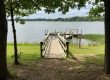
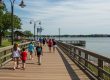
Floating docks and waterfront structures work hard all year, but Texas summers put them to the test. Heavy foot traffic, rising water temperatures, intense UV exposure, and long stretches of heat all place stress on materials, hardware, and anchoring systems. Without proper maintenance, the heat can cause warping, cracking, color fading, and stability issues. For parks, HOAs, marinas, and municipal waterfront operators, summer maintenance isn’t optional — it’s essential.
The good news? With a clear routine and the right best practices, floating structures stay stable, safe, and attractive all season long. This guide breaks down the most important steps to protect your docks during high-heat Texas summers.
Inspect Floating Structures Early in the Season
A strong maintenance plan always starts with a thorough inspection. Before heat intensifies, walk your entire floating dock system and look for early signs of stress.
Focus on:
- Loose bolts or worn fasteners
- Rust and corrosion around connectors
- Cracked or faded decking
- Soft or uneven sections
- Warped transition ramps
- Shifting floats or sagging areas
Texas heat accelerates material fatigue. Catching issues early prevents emergency repairs during busy weekends.
Check for UV Damage on Decking and Surface Materials
Floating docks face hours of direct sunlight every day. UV rays break down plastics, composites, and coatings faster in Texas than in many other states.
Look for:
- Color fading
- Surface brittleness
- Cracking or splintering
- Heat warping
- Slick algae buildup in shaded corners
Heat-resistant materials hold up best, but even the strongest docks need seasonal checks to stay in top shape.
Tighten Hardware and Reinforce High-Stress Areas
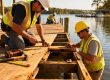
Heat expands materials. As temperatures rise, bolts loosen, connectors shift, and platforms may move more than usual. Tightening hardware early — and then again mid-summer — keeps everything secure.
Have your maintenance crew:
- Tighten all bolts
- Inspect hinge points
- Reinforce dock-to-shore connections
- Replace worn or rusted fasteners
- Secure bumpers and cleats
Floating docks move naturally, so keeping connection points tight prevents long-term damage.
Inspect and Maintain Anchoring Systems
Anchoring keeps floating structures stable, especially during high winds, busy holiday weekends, or unexpected storms.
Check:
- Cable tension
- Chain wear
- Post stability
- Anchor embedment
- Movement since last season
- Signs of shifting during water-level changes
If anchors start to fail, the dock will drift, tilt, or twist. A quick inspection prevents those problems from escalating.
Clean Surfaces Regularly to Prevent Slips and Odors
High heat speeds up algae growth. Combine that with sunscreen, fishing residue, and wet foot traffic, and surfaces can quickly become slick and messy.
A strong summer cleaning routine includes:
- Pressure washing the surface
- Removing algae from shaded areas
- Scrubbing transition ramps
- Clearing gaps between modules
- Rinsing off bird droppings and debris
Clean docks not only look better — they also improve safety and reduce complaints.
Monitor and Replace Damaged Floats
Floating docks rely on floats for buoyancy and leveling. Heat, storms, and constant movement can weaken floats over time.
Check floats for:
- Cracks or fractures
- Bulging or deformities
- Water infiltration
- Reduced buoyancy
- Uneven sections in the dock
If even one float starts to fail, the entire platform can tilt or sag. Replacing damaged floats early helps maintain stability all summer.
Evaluate Dock Movement and Add Stabilization as Needed
Texas summers often bring high winds and active boating traffic. Floating structures may sway, rock, or shift more during the season.
Your team can improve stability by:
- Adding additional anchor lines
- Installing stiff-arm stabilizers
- Reinforcing hinge points
- Inspecting transition plates for wear
- Adjusting tension as water levels change
Stability is a major factor in visitor safety, so don’t overlook subtle movement.
Check Ladders, Rails, and Swim Access Points
Heat affects more than the dock surface — it also weakens metal components if they are not properly maintained.
Inspect:
- Ladders for loose bolts or rust
- Railings for wobble or movement
- Jump platforms for flex
- Safety signage for fading
- Swim areas for boundary drift
Because these points see heavy use, even small repairs significantly improve safety.
Maintain Shade, Seating, and Comfort Features
Texas summers demand shade. If your dock includes shade structures or seating areas, check them frequently.
Look for:
- Fabric tears
- Loose bolts
- Faded or brittle materials
- Shifting benches
- Cracked mounting brackets
Comfort features are a major part of guest satisfaction. Keeping them clean and stable helps encourage longer visits.
Inspect Electrical Components and Lighting
Heat and sun exposure can degrade electrical wiring faster than expected.
Inspect:
- Solar lighting mounts
- LED fixtures
- Wiring on fishing docks
- Connections near the water
- Any electrical service panels
Make sure everything remains sealed, protected, and stable — especially in high-traffic areas.
Create a Weekly Summer Walkthrough Routine
The simplest way to maintain floating structures is with a consistent, predictable schedule. Summer crowds and heat don’t give you much room for error.
Your weekly checklist should include:
- Tightening hardware
- Cleaning surfaces
- Checking flotation
- Inspecting anchor points
- Refreshing signage
- Clearing debris
- Confirming lighting works
- Evaluating stability
Short, regular checkups prevent major issues from appearing out of nowhere.
Final Thoughts
Texas summers are tough on floating docks, but with smart maintenance and consistent inspections, your waterfront can stay safe, stable, and ready for visitors all season long. By focusing on flotation, anchoring, UV protection, hardware tightening, and regular cleaning, parks, HOAs, marinas, and municipalities can extend the life of their docks and offer dependable access to the water.
If your team wants help upgrading floating structures or exploring long-lasting dock options designed for Texas heat, EZ Dock Texas is here to support you. Visit the contact page at https://ezdocktexas.com/contact/ or follow updates on Facebook at https://www.facebook.com/EZDockTX/.