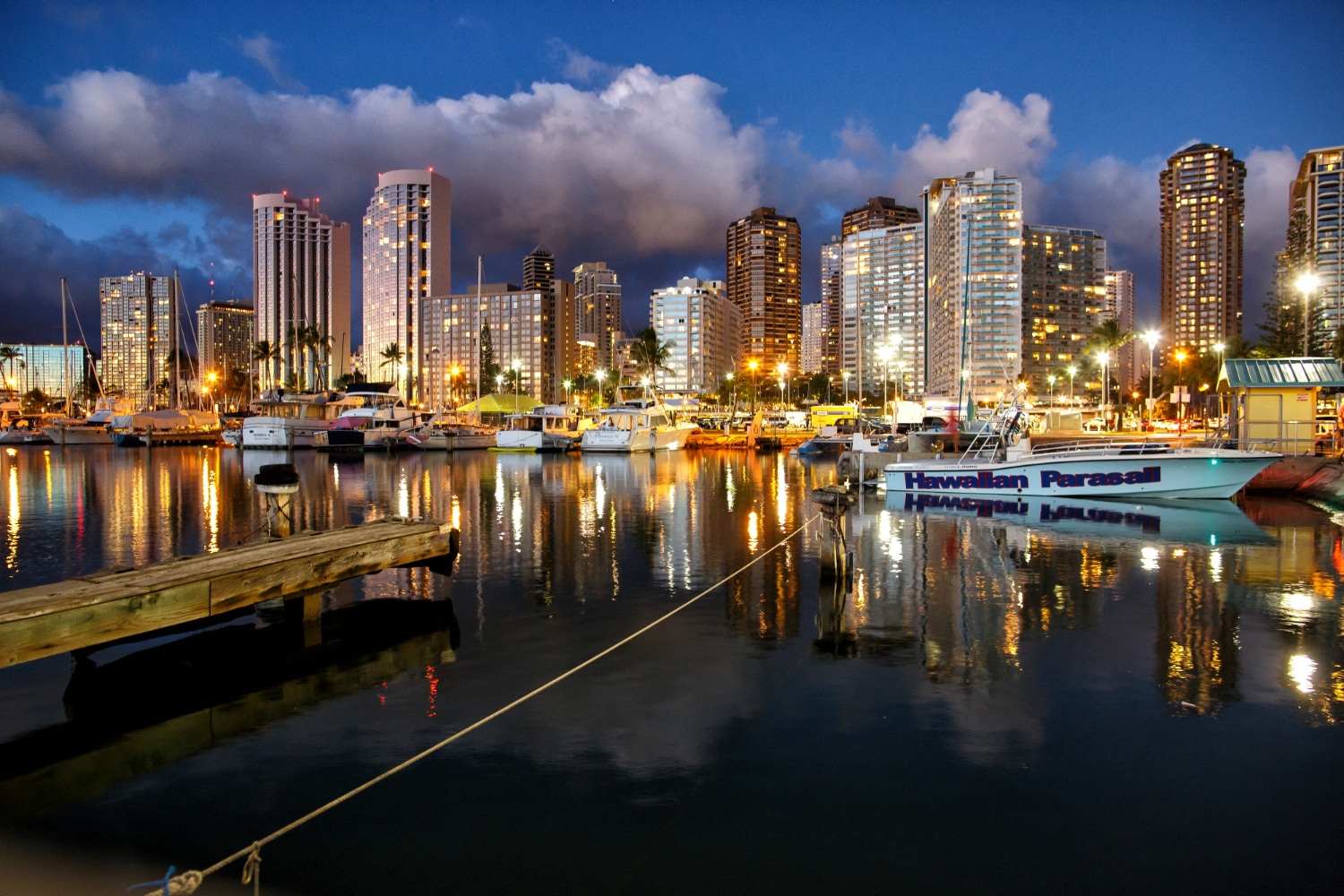
Cities are expanding outdoor recreation by transforming underutilized shorelines into multi-functional hubs using modular, low-impact infrastructure. Successful strategies include installing dedicated paddlesport launches, creating floating event spaces, and ensuring universal ADA access. These upgrades attract a diverse demographic, increase “dwell time” at parks, and drive local economic development by making lakes and rivers more accessible to all residents.
Key Takeaways:
- Modernize aging parks with specialized launches for kayaks and paddleboards.
- Utilize floating platforms to create “social zones” and event spaces on the water.
- Prioritize universal design to make water access inclusive for seniors and the disabled.
- Focus on low-maintenance materials to keep operational budgets predictable.
- Leverage waterfront assets to attract regional tourism and support local businesses.
Why This Matters
Outdoor recreation is a major economic engine in Texas, and for municipalities, “blue space” (lakes and rivers) is often their most valuable asset. However, as urban populations grow, the demand for access is outstripping the capacity of traditional park designs.
Expanding outdoor recreation is no longer just about adding more parking; it’s about increasing the “capacity-per-square-foot” of the waterfront. By using innovative infrastructure like floating docks and specialized launches, cities can accommodate more users in the same space, reduce conflicts between boaters and swimmers, and create a year-round destination that remains functional regardless of Texas’s fluctuating water levels.
Common Mistakes to Avoid
- Focusing Solely on Boat Ramps: Overlooking the massive growth in “passive” recreation like birdwatching, fishing, and sunset viewing.
- Ignoring the “Connectivity” Gap: Having a beautiful lakefront but no safe pedestrian or bike path leading to it from downtown or residential areas.
- Building “Static” Infrastructure: Investing in fixed piers that become inaccessible during droughts, frustrating residents and wasting taxes.
- Underestimating the “Paddlesport” Surge: Not providing enough space for non-motorized craft, leading to safety issues at boat launches.
- Complex Permitting Delays: Choosing heavy-construction projects that take years to approve, while modular solutions could be deployed in months.
- Neglecting Visitor Comfort: Expanding access but forgetting basic amenities like shade, water fountains, and seating.
Best Practices
Successful cities treat their waterfronts as a “lifestyle product” for their citizens.
1. Create a “Zone-Based” Master Plan
Don’t try to make one dock do everything. Designate specific zones for:
- The High-Energy Zone: Motorized boat launches and temporary slips.
- The Active Zone: Kayak launches and paddleboard “soft” entries.
- The Social Zone: Wide floating platforms with benches and fishing rails.
2. Prioritize “Ready-to-Use” Infrastructure
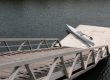
To expanding outdoor recreation quickly, use modular floating systems. These can be delivered and installed by city crews, allowing for rapid expansion between budget cycles. Because they are modular, you can “test” a new location with a small pier and expand it if it proves popular.
3. Focus on Universal Access
The most successful park expansions are those that everyone can use. This means going beyond the minimum ADA requirements. Think about “inclusive recreation”—wide walkways for side-by-side walking, handrails for stability, and transfer benches for adaptive paddling.
4. Leverage Waterfront for Events
Use your lake as a stage. Floating modular platforms can be reconfigured into floating docks for “concerts on the water” or seasonal festivals, creating unique community experiences that traditional parks can’t match.
Maintenance & Operations Plan
- Weekly: Perform “Visitor Readiness” checks—clean surfaces, empty trash, and check for safety hazards.
- Monthly: Document a structural walk-through to ensure all modular connections are secure.
- Annually: Evaluate usage patterns. Are people crowding one area? If so, move modular sections to expand that zone before the next season.
- Lifecycle Planning: Budget for a complete surface “deep-clean” every spring to keep the amenities looking like a “new city investment.”
Budget & Planning Notes
- Economic Development Synergy: Work with your local EDC. A modernized waterfront often attracts new residents and businesses to the downtown or lakeside district.
- Grant Stacking: Combine TPWD recreation grants with local “beautification” or “sustainability” funds to maximize your project’s scope.
Safety & Liability Considerations
When you expand access, you expand the need for safety.
- Clear Transitions: Use non-slip transition plates between land and dock.
- Standardized Signage: Ensure every new amenity has clear “Rules of Use” and emergency contact info.
- Lighting: Use flush-mount solar LED lights on all new docks to prevent “after-dark” accidents.
FAQ
How does expanding outdoor recreation help the local economy?
Improved waterfronts attract visitors from neighboring counties who spend money on gas, food, and retail, while also increasing the desirability (and tax value) of local residential property.
What is the fastest way to expand lake access?
The fastest way is using modular floating dock systems. They avoid the long timelines of concrete work and can be installed in a fraction of the time.
How do we handle increased trash at the waterfront?
Integrate trash and recycling bins directly into the dock design or place them at every entry point to make it as easy as possible for visitors to be responsible.
Are floating docks safe for festivals and large groups?
Yes, provided they are engineered for “Commercial Public Use” with high buoyancy ratings and stable anchoring systems.
How can we accommodate both fishermen and boaters?
Design separate piers or use a “T-head” configuration that places fishermen at the end of the dock, away from the boat loading zones.
What is “inclusive” water access?
It means designing infrastructure so that a person in a wheelchair, a senior with a walker, and a parent with a stroller can all reach the water’s edge safely and independently.
How do we deal with the Texas heat on new docks?
Choose decking materials like light-colored HDPE that don’t absorb heat like wood or dark metal, making them comfortable for bare feet all day long.
Can we expand river recreation too?
Absolutely. Modular systems can be anchored in rivers to create stable platforms for tubing, fishing, and kayaking, even with moderate currents.
Checklist for City Planners
- [ ] Audit current waterfront usage to identify “overcrowded” vs. “underused” areas.
- [ ] Review the City Master Plan for synergy with waterfront projects.
- [ ] Survey residents on what “missing” amenities they would use most.
- [ ] Select a modular system that can be installed by city maintenance staff.
- [ ] Ensure all designs include a 1:12 ADA-compliant gangway slope.
- [ ] Budget for high-visibility “Safety Hubs” at all new access points.
- [ ] Coordinate with local law enforcement on “No-Wake” zone enforcement.
- [ ] Plan for solar-powered pathway lighting.
- [ ] Check for “Boat Wash” stations to protect local water quality.
- [ ] Verify that all hardware is marine-grade and low-maintenance.
- [ ] Establish a maintenance log for the new facility.
- [ ] Schedule a “Community Day” to celebrate the expansion.
Transforming your city’s shoreline is a powerful way to enhance resident quality of life and drive local growth. At EZ Dock Texas, we specialize in helping Texas cities with expanding outdoor recreation through durable, flexible, and accessible waterfront solutions. From urban rivers to municipal lakes, we have the tools and expertise to turn your vision into a reality. Ready to put your city’s waterfront on the map? Contact us today or see our latest municipal partnerships on Facebook.