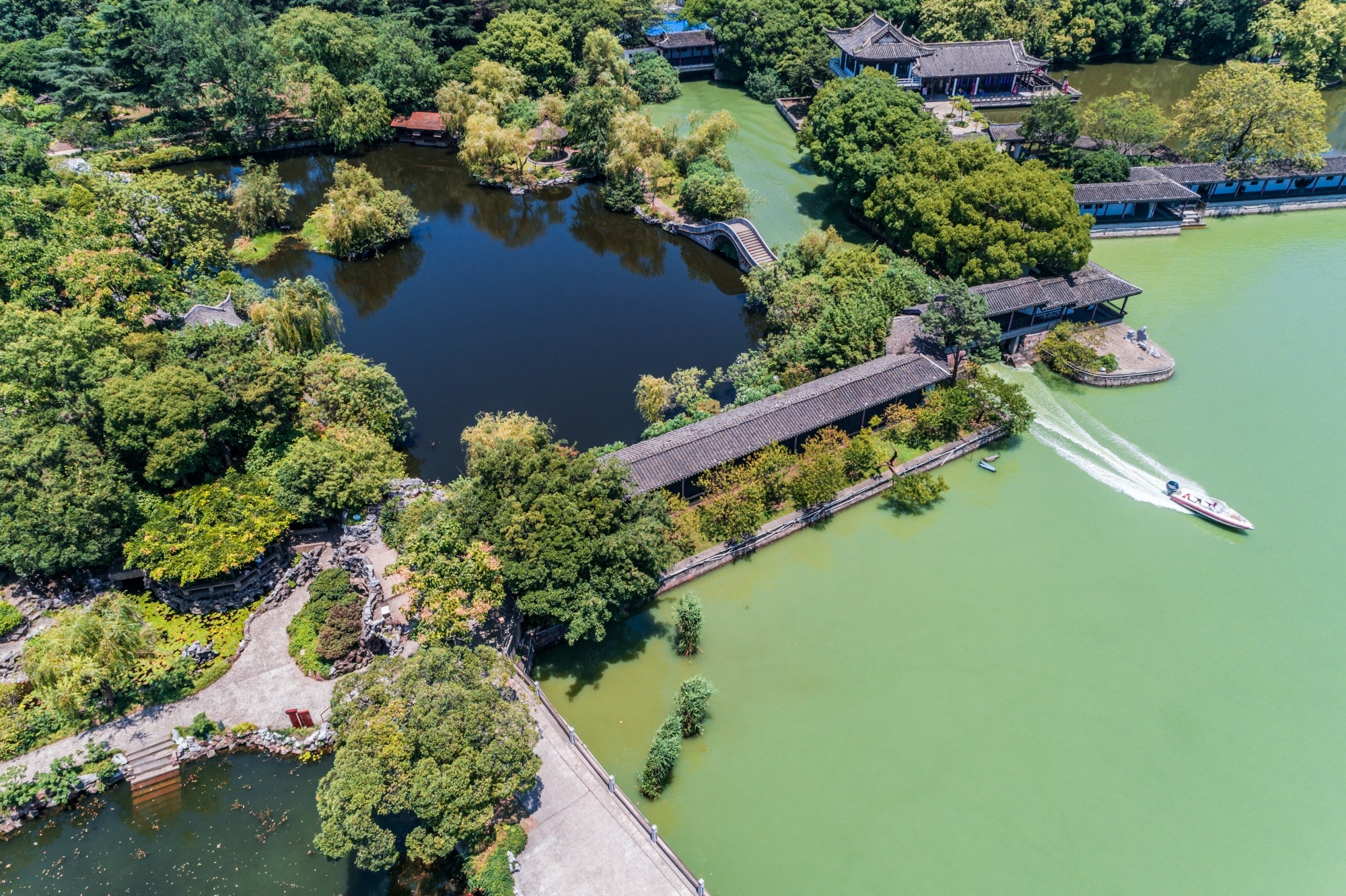
Cities can expand lake access while protecting shorelines by concentrating access points, using low-impact infrastructure, managing foot traffic, and preserving natural vegetation. Strategic planning reduces erosion, protects habitats, and lowers long-term maintenance costs.
Key Takeaways
- Concentrated access reduces widespread shoreline damage
- Infrastructure should minimize direct shoreline contact
- Vegetation plays a key role in erosion control
- Access expansion must consider long-term maintenance
- Poor planning increases liability and environmental impact
Why This Matters
Texas cities are under pressure to expand public access to lakes and waterfronts. Population growth and outdoor demand are increasing usage across municipal lakes, state parks, and HOA lakefronts.
But unmanaged expansion creates:
- Shoreline erosion
- Habitat loss
- Increased maintenance costs
Expanding access without a plan usually means fixing problems later—at a higher cost.
Common Mistakes to Avoid
- Allowing scattered, informal shoreline access
- Overbuilding near fragile shoreline areas
- Ignoring erosion patterns
- Lack of defined entry points
- No long-term maintenance plan
- Underestimating peak usage
- Failing to protect vegetation
Best Practices
1. Centralize Access Points
Instead of allowing access everywhere, create:
- Designated entry zones
- Clearly marked pathways
2. Use Low-Impact Access Solutions
Reduce direct shoreline wear by using:
- Elevated walkways
- Floating access structures
3. Protect Shoreline Vegetation
Vegetation stabilizes soil and reduces erosion.
4. Plan for Peak Demand
Design for:
- Weekends
- Seasonal surges
- Special events
5. Integrate Access with Traffic Flow
Prevent congestion by aligning access with:
- Parking
- Pathways
- Amenities
Maintenance & Operations Plan
Weekly
- Inspect access points
Monthly
- Monitor erosion and wear
Quarterly
- Evaluate structural performance
Annually
- Review access impact on shoreline
Budget & Planning Notes
- Budget for erosion control upfront
- Plan for lifecycle replacement
- Include maintenance staffing costs
- Avoid short-term, low-cost fixes
Safety & Liability Considerations
Uncontrolled access increases:
- Slip hazards
- Unstable shorelines
- Injury risk
Defined access reduces liability exposure.
FAQ
How can cities expand lake access while protecting shorelines in Texas?
By concentrating access points and using low-impact infrastructure.
What causes shoreline erosion?
Foot traffic, poor drainage, and lack of vegetation.
Is it better to limit access points?
Yes, fewer controlled areas reduce damage.
What infrastructure helps protect shorelines?
Elevated walkways and floating systems.
How do you plan for increased usage?
Design for peak conditions, not average.
Why is vegetation important?
It stabilizes soil and protects ecosystems.
What is the biggest mistake cities make?
Allowing uncontrolled shoreline access.
Checklist
- Define access zones
- Limit shoreline entry points
- Protect vegetation
- Use low-impact infrastructure
- Plan for peak usage
- Monitor erosion
- Schedule inspections
- Budget for maintenance
- Align access with traffic flow
- Review annually
Expanding lake access while protecting shorelines in Texas requires discipline in planning and execution. The cities that do this well avoid long-term maintenance headaches and environmental damage. If you’re evaluating lakefront improvements, EZ Dock Texas can support planning and access strategies. Contact here: https://ezdocktexas.com/contact/ or follow here: https://www.facebook.com/EZDockTX/