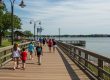
Waterfront parks in Texas aren’t just recreation hotspots — they’re living ecosystems. Lakes, rivers, ponds, and marshes support fish, birds, turtles, amphibians, insects, and countless native plant species. Park rangers play a crucial role in balancing public use with environmental protection. When more people visit the water, the pressure on wildlife increases. But with smart planning and a few practical strategies, rangers can protect sensitive habitats while still offering great experiences for the community.
This guide outlines simple, effective ways park rangers can enhance wildlife protection and create healthier waterfront environments across Texas.
Start With a Regular Habitat Assessment
Understanding the current condition of the waterfront is the first step in protecting it. Rangers should walk the shoreline, inspect the water, and monitor vegetation growth throughout the year.
Assess:
- Signs of erosion
- Invasive plant species
- Changes in native vegetation
- Trash buildup affecting wildlife
- Disturbances near nesting areas
- Algae blooms or water quality concerns
Regular assessments give rangers early warnings and guide decisions for protecting local habitat.
Protect Shoreline Vegetation to Prevent Erosion
Healthy shorelines protect the entire ecosystem. Native plants hold soil in place, filter runoff, and provide shelter for wildlife. When vegetation gets trampled or removed, erosion accelerates.
Park rangers can help by:
- Installing low-impact barriers to guide foot traffic
- Adding signage to protect sensitive zones
- Planting native grasses and shrubs
- Creating designated viewing or fishing spots to keep pressure off other areas
The more vegetation that stays intact, the stronger the shoreline stays during storms and rising water.
Use Designated Access Points to Reduce Habitat Damage
People head toward the water from every direction unless clearly guided. That can harm plant life, disturb wildlife, and widen trails unintentionally.
To limit this:
- Build designated access paths
- Add clear entry signs
- Use railings or ropes to define safe walkways
- Provide fishing platforms or docks
- Create boardwalks over fragile terrain
Thoughtful access helps protect sensitive zones without limiting visitor enjoyment.
Manage Fishing Activity Around Sensitive Areas
Fishing is a huge part of Texas outdoor culture, but unmanaged fishing can impact habitats and wildlife behavior.
Rangers can improve protection by:
- Providing dedicated fishing docks
- Installing line recycling tubes
- Posting catch-and-release reminders
- Using signs to mark off-limits zones
- Educating guests about fish spawning seasons
Small adjustments keep both fish and anglers safer.
Control Litter and Pollution Before It Reaches the Water
Trash is one of the biggest threats to wildlife near waterfronts. Plastic, hooks, fishing line, and food waste all harm fish and animals.
Effective steps include:
- Adding more trash and recycling bins
- Placing fishing line recycling tubes near docks
- Offering community cleanup events
- Encouraging “pack in, pack out” habits
- Posting polite reminders at trailheads and entrances
When the area stays clean, wildlife has a better chance at survival.
Educate Visitors With Clear, Friendly Messaging
People protect what they understand. Rangers have powerful influence when they communicate simply and clearly.
Education can take many forms:
- Signs explaining why certain zones are off-limits
- Posters showing local wildlife
- QR codes linking to habitat information
- Guided tours focused on ecology
- Social media posts highlighting species in the park
Good education builds respect for nature.
Create Wildlife Viewing Areas Away From Sensitive Habitats
Visitors love spotting wildlife, but getting too close disrupts feeding, nesting, and breeding. Strategic viewing areas make wildlife watching safer for everyone.
These areas might include:
- Elevated platforms
- Floating observation docks
- Trail pull-offs
- Silent zones with posted guidelines
By giving visitors a designated place to view wildlife, rangers protect sensitive areas from foot traffic.
Use Floating Structures for Low-Impact Access
Floating boardwalks, docks, or viewing platforms allow visitors to get close to the water without damaging the shoreline.
Benefits include:
- Reduced erosion
- Protection of root systems
- Adaptability to water levels
- Minimal disturbance to wildlife
Floating structures help parks meet visitor demand while maintaining environmental integrity.
Implement Clear Rules for Pets Near the Water
Pets, especially dogs, can disrupt wildlife if not guided properly.
Rangers can protect habitats by:
- Marking pet-friendly and no-pet zones
- Requiring leashes in sensitive areas
- Adding pet waste stations
- Posting clear reminders near trailheads
Pet rules help both wildlife and visitors stay safe.
Monitor and Control Invasive Species
Non-native species spread fast and can damage entire ecosystems. Rangers should monitor for invasives throughout the year.
Common tasks include:
- Removing invasive plants
- Working with local biologists to track species
- Posting alerts for visitors to avoid spreading invasives
- Cleaning debris piles where invasive species hide
Control keeps native species healthy and prevents long-term ecological damage.
Partner With Community Groups and Volunteers
Conservation is easier with help. Local volunteers, schools, scout groups, and conservation organizations are often eager to participate.
Rangers can partner with community groups to:
- Host cleanup days
- Plant native vegetation
- Restore shorelines
- Monitor wildlife activity
- Help with trail maintenance
Community involvement builds pride and improves habitat protection over time.
Final Thoughts
Waterfront ecosystems are delicate, valuable, and central to Texas outdoor recreation. Park rangers play a critical role in protecting wildlife and shoreline habitats while managing public access. By guiding foot traffic, protecting vegetation, educating visitors, cleaning proactively, and using smart infrastructure like floating structures, rangers can help maintain a healthy, vibrant ecosystem for years to come.
If your park or community is ready to strengthen water access while protecting wildlife, EZ Dock Texas can support your efforts. Visit the contact page at https://ezdocktexas.com/contact/ or follow project updates and conservation-friendly ideas on Facebook at https://www.facebook.com/EZDockTX/.