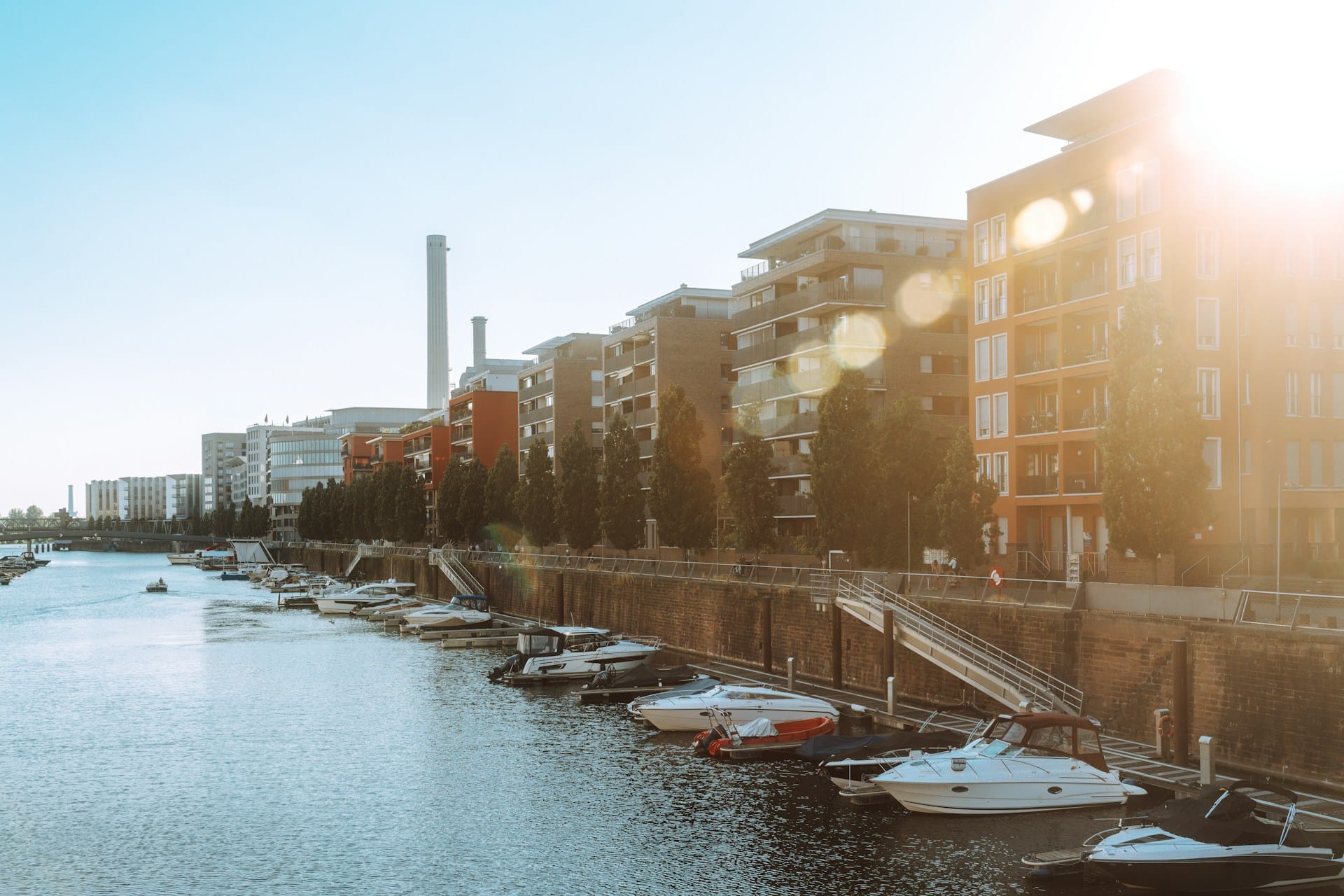
To drive community engagement, Texas parks should implement smart waterfront upgrades that prioritize accessibility and multi-use flexibility. Key improvements include modular floating docks for stable year-round access, dedicated non-motorized launch zones for kayakers, and shaded shoreline gathering spaces. These low-impact, high-visibility additions encourage longer visitor stays and higher repeat visitation rates without the high costs of traditional construction.
Key Takeaways:
- Modular docks provide flexible, year-round access despite fluctuating Texas water levels.
- Dedicated paddlesport launches attract a younger, highly active demographic of visitors.
- Shaded seating and “third space” amenities encourage longer, family-oriented park stays.
- Universal design and ADA compliance ensure the entire community can participate.
- Low-maintenance materials free up staff to focus on visitor programming and events.
Why This Matters
In the competitive landscape of Texas outdoor recreation, “basic” access is no longer enough to satisfy a growing and diverse population. Modern visitors are looking for experiences, not just locations. Smart waterfront upgrades serve as a bridge between the natural environment and the community’s social needs.
When a municipality invests in high-quality, resilient infrastructure, they aren’t just buying hardware; they are creating a “third space”—a location outside of home and work where people gather and build relationships. In Texas, where the heat and variable lake levels can deter usage, smart design mitigates these challenges, ensuring the park remains a functional asset even during droughts or peak summer temperatures.
Common Mistakes to Avoid
- Designing for a Single User Type: Building boat slips but forgetting the 70% of visitors who just want to fish or walk near the water.
- Ignoring the “Shade Factor”: Installing beautiful docks with no nearby shade, leading to deserted facilities during Texas afternoons.
- Complex, Permanent Construction: Choosing “heavy” infrastructure that can’t be moved or adapted if visitor patterns shift.
- Under-Investing in “Soft” Amenities: Forgetting trash cans, pet stations, and clear wayfinding signage that make a park feel welcoming.
- Failing to Phase Improvements: Trying to do everything at once and running out of budget before the “finishing touches” are applied.
- Lack of ADA Thinking: Adding an expansion that isn’t easily reachable by seniors or those with limited mobility.
Best Practices
Revitalizing a waterfront requires a focus on both utility and “dwell time.”
1. The Modular Expansion Model
Use modular floating dock systems that can grow with your community. Start with a central “spine” and add fingers for boat mooring, fishing “T-heads,” or kayak launches as funding becomes available. This ensures that smart waterfront upgrades never become stagnant.
2. Create “Micro-Destinations”
Don’t concentrate all activity in one spot. Scatter small, stable floating platforms or shaded benches along the shoreline. This spreads out the crowd, reduces noise complaints, and makes the park feel more expansive and engaging.
3. Simplify Paddlesport Entry
Paddlesports (kayaking, SUP, canoeing) are the fastest-growing segment of waterfront recreation. Install a dedicated “low-profile” launch. These specialized docks allow users to enter the water without getting muddy or struggling with high dock edges, making the sport accessible to beginners and seniors.
4. Invest in Multi-Use Platforms
Design docks that are wide enough for both transit and “lingering.” Adding built-in benches or fishing rails transforms a simple walkway into a community destination where neighbors can meet and interact.
Maintenance & Operations Plan
- Monthly: Perform a “Visitor Experience Walk-through” to identify any debris, bird waste, or hardware issues.
- Quarterly: Adjust the anchoring of modular sections to ensure they remain level and inviting.
- Biannually: Host a “Community Clean-up” day to build resident ownership of the new amenities.
- Annually: Audit usage data (gate counts/parking) to prove the ROI of the upgrades to stakeholders.
Budget & Planning Notes
- Incremental Funding: Modular systems are perfect for “End-of-Year” budget sweeps since individual sections can be purchased and integrated immediately.
- Economic Impact: Document how waterfront upgrades drive local tourism. Families who stay longer at the park are more likely to spend money at nearby local businesses.
Safety & Liability Considerations
Increased usage means increased responsibility.
- Stable Transitions: Use high-quality gangways that don’t “sway” or bounce, providing confidence for all age groups.
- Non-Slip Surfaces: Ensure all new surfaces have a high traction rating, even when wet.
- Integrated Lighting: Use flush-mount solar lights to define the dock edges after sunset without creating trip hazards.
FAQ
What is the best way to measure “community engagement” at a park?
Track repeat visitation rates and the length of stay per visitor. Smart upgrades that include seating and stable water access typically see a 20-30% increase in dwell time.
How do smart waterfront upgrades attract younger families?
By focusing on “ease of use.” Features like integrated kayak launches and “barefoot-friendly” surfaces make it much easier for parents to manage children and gear at the water’s edge.
Can modular docks be used for community events?
Yes. Their stability and large surface area make them ideal for “floating stages” during concerts, fishing tournaments, or outdoor yoga classes.
What is the “ROI” on a new fishing pier?
Beyond resident satisfaction, fishing piers often attract regional visitors who pay for park passes and support local bait shops and restaurants.
How do we stop our upgrades from being vandalized?
High-density polyethylene (HDPE) is incredibly difficult to damage. It doesn’t hold spray paint well and is resistant to impact, making it ideal for high-traffic public areas.
How can we make a waterfront more “social”?
Include “gathering pods”—wider dock sections with integrated seating that allow small groups to sit and talk without blocking the main walkway.
Do these upgrades require a lot of staff time?
Actually, the opposite. By choosing low-maintenance modular systems, you reduce the time staff spends on painting, sanding, and structural repairs.
What is a “soft launch”?
It is a dock designed specifically for non-motorized craft. It sits closer to the water and often has rollers or a “V-shaped” entry to help paddlers get in and out safely.
Checklist for Engagement Planning
- [ ] Conduct a survey of local residents to find “missing” amenities.
- [ ] Identify areas for “quiet” vs. “active” recreation.
- [ ] Map out a shaded “connector” path between the parking lot and the dock.
- [ ] Select a modular dock system that allows for integrated benches.
- [ ] Plan for a dedicated ADA-accessible kayak launch.
- [ ] Verify that the dock material is heat-resistant for Texas summers.
- [ ] Choose solar-powered lighting to extend park hours safely.
- [ ] Create a “Welcome Kiosk” with a map and safety rules at the shore.
- [ ] Plan a “Grand Re-opening” event to showcase the new upgrades.
- [ ] Include pet-friendly features like tie-up cleats or water stations.
- [ ] Audit the path for strollers and wheelchairs to ensure a 1:12 slope.
- [ ] Budget for a consistent cleaning schedule to keep the “new” look.
Upgrading your waterfront is about more than just adding a dock; it’s about creating a destination where your community can thrive. At EZ Dock Texas, we are a local partner dedicated to helping Texas municipalities implement smart waterfront upgrades that are durable, accessible, and engaging. Our modular solutions provide the flexibility you need to grow your park’s impact year after year. Ready to revitalize your community’s favorite lakeside spot? Contact us today or follow our latest community transformations on Facebook.