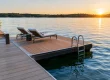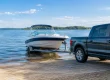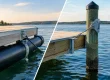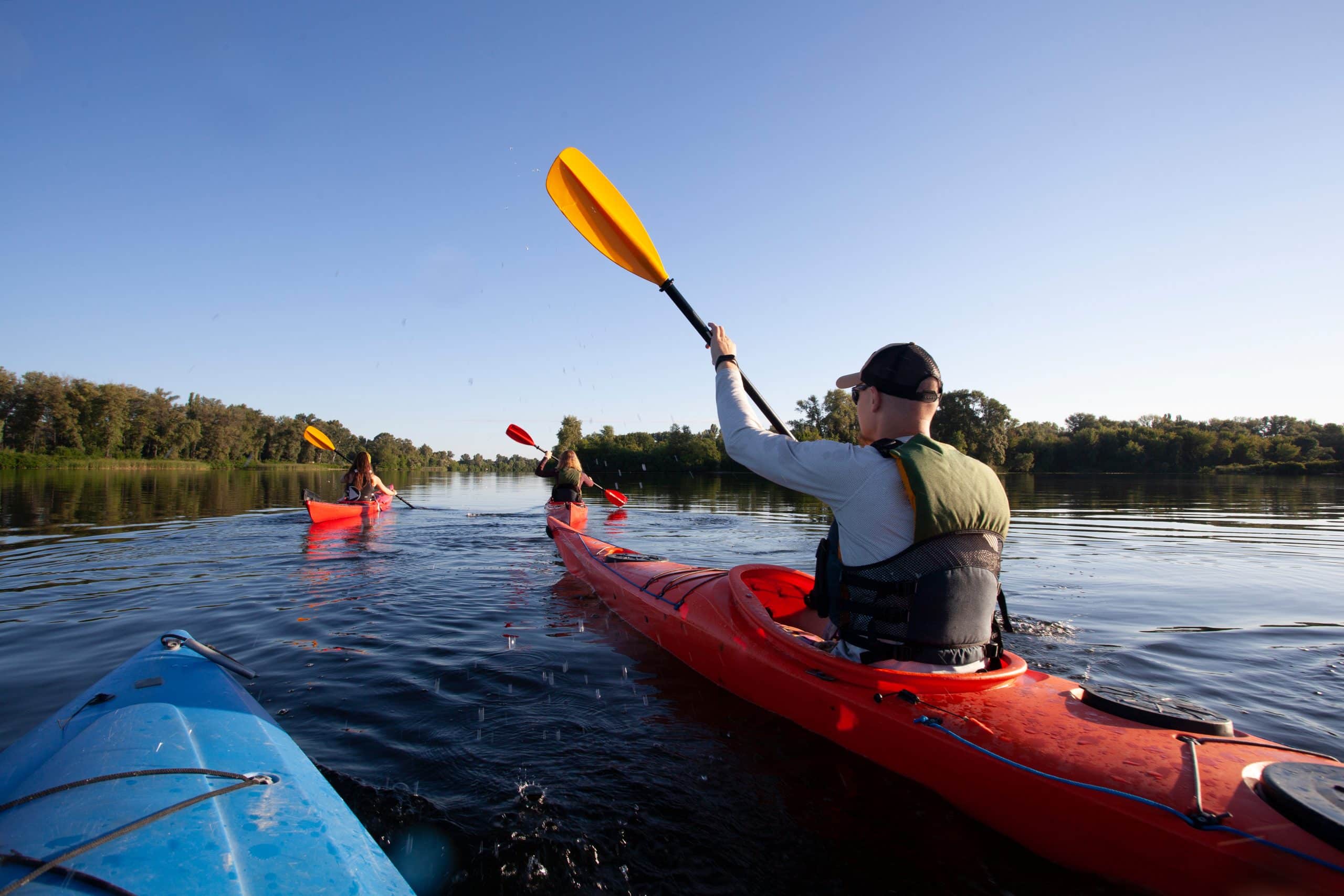
Supporting paddle sports and non-motorized boating in Texas requires safe launch access, clear zoning away from motorized traffic, durable entry points, and consistent maintenance. Communities that plan for paddlesports reduce congestion, improve safety, and expand lake access without major infrastructure costs.
Key Takeaways
- Dedicated paddle access reduces conflict with motorized boats
- Low-impact launches improve shoreline protection
- Clear zoning improves safety and visitor experience
- Durable access points reduce maintenance burden
- Paddle sports expand access without large capital costs
Why This Matters
Texas communities are seeing steady growth in paddle sports—kayaks, canoes, and paddleboards are now standard use cases at municipal lakes, state parks, and HOA lakefronts.
They require less infrastructure than motorized boating, but without proper planning they create:
- Congestion at boat ramps
- Shoreline erosion
- Safety conflicts with powered vessels
Done right, paddlesports expand access without increasing complexity.
Common Mistakes to Avoid
- Forcing paddlesports to share boat ramps
- Allowing random shoreline entry points
- No separation from motorized traffic
- Poor signage or unclear zones
- Using materials that erode or degrade quickly
- Ignoring ADA access considerations
- No maintenance plan for launch areas
Best Practices
1. Create Dedicated Paddle Access Points
Separate paddlesports from:
- Boat ramps
- Marina traffic
- High-speed zones
This reduces conflict and improves flow.
2. Use Low-Impact Launch Design
Minimize shoreline wear by using:
- Stabilized entry zones
- Floating or adaptable launch systems
3. Define Zones Clearly
Designate:
- Paddle-only areas
- Mixed-use zones
- No-wake zones
4. Improve Accessibility
Ensure access works for:
- Beginners
- Families
- Older users
5. Plan for Growth
Paddle usage increases over time. Build for scale.
Maintenance & Operations Plan
Weekly
- Inspect launch areas
- Remove debris
Monthly
- Check stability and wear
- Review signage visibility
Quarterly
- Evaluate usage patterns
- Adjust zones if needed
Seasonally
- Prepare for peak usage
Budget & Planning Notes
- Lower cost than motorized infrastructure
- Minimal permitting in many cases
- Budget for surface durability and access points
- Plan for incremental expansion
Safety & Liability Considerations
Without planning, paddlesports increase:
- Collision risks
- Launch injuries
- Congestion hazards
Clear separation and signage reduce exposure.
FAQ
How are Texas communities supporting paddle sports and non-motorized boating?
By adding dedicated launch areas, improving access points, and separating traffic zones.
Do paddle sports require separate launch areas?
Yes, shared ramps create safety and congestion issues.
What is the safest way to launch kayaks?
From low-impact, stable entry points designed for paddlesports.
Are paddlesports growing in Texas parks?
Yes, demand continues to increase across public lakes.
Do paddle launches require major infrastructure?
No, they are typically low-cost compared to boat ramps.
How do you prevent shoreline damage?
By limiting access points and using durable surfaces.
Should paddle zones be separated from boats?
Yes, especially in high-traffic areas.
What is the biggest mistake?
Allowing uncontrolled shoreline entry.
Checklist
- Define paddle-only access zones
- Separate from motorized traffic
- Install durable launch points
- Add clear signage
- Ensure ADA accessibility
- Monitor shoreline impact
- Schedule regular inspections
- Plan for increased usage
- Align with parking and paths
- Review annually
Supporting paddle sports and non-motorized boating in Texas is one of the most efficient ways to expand lake access without overbuilding infrastructure. Communities that plan for it early avoid congestion, shoreline damage, and safety issues later. If you’re evaluating paddlesport access or expanding your lakefront, EZ Dock Texas can help guide that process. Reach out here: https://ezdocktexas.com/contact/ or follow along here: https://www.facebook.com/EZDockTX/