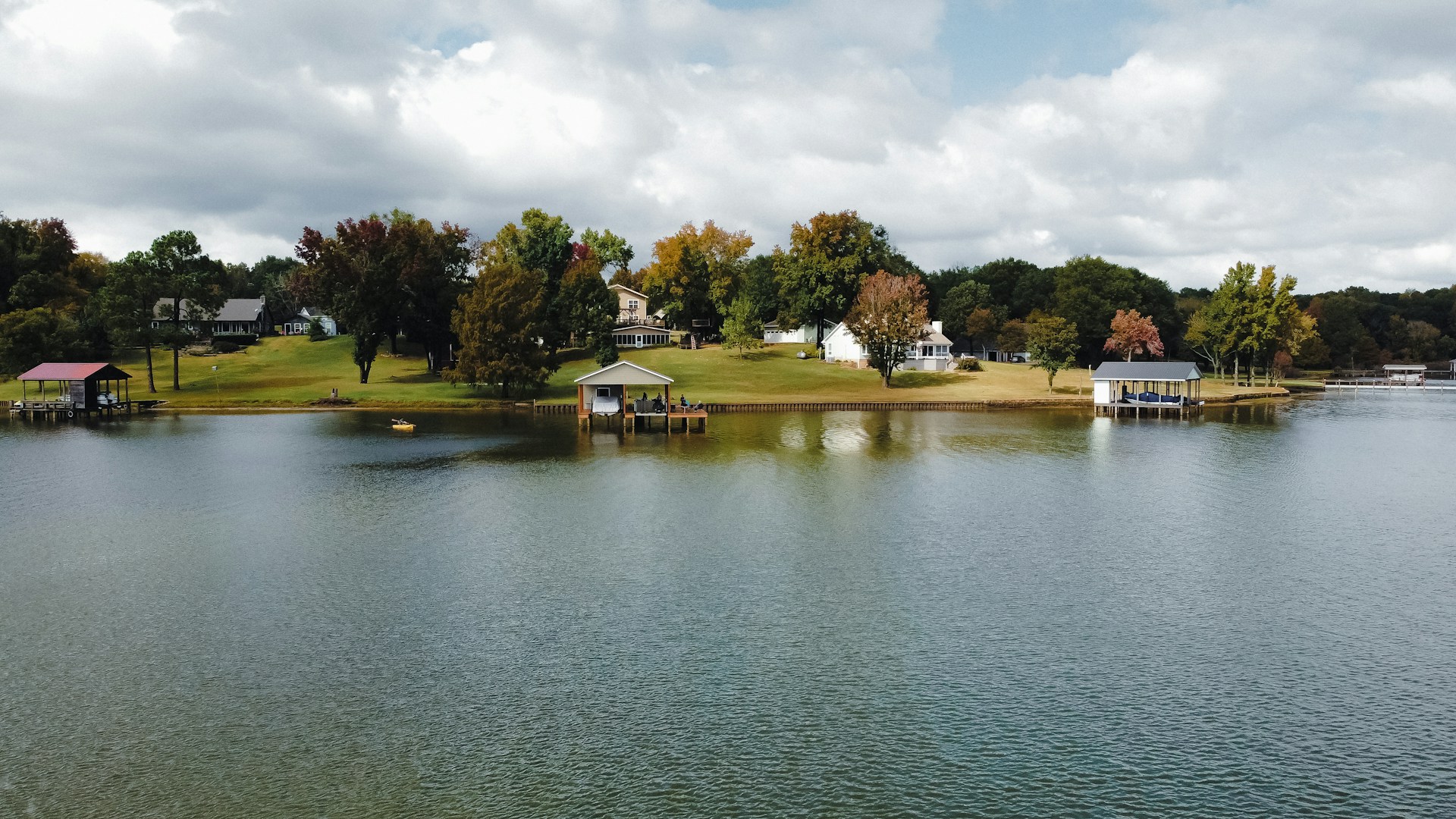
Written for HOA board members and community managers. This guide helps boards navigate the complexities of shared waterfront assets, ensuring projects increase property values without creating a maintenance or legal nightmare.
HOAs can successfully expand waterfront access by prioritizing “low-impact” modular infrastructure that preserves the shoreline while providing high-utility amenities. Boards must focus on equitable access for all residents, clear liability waivers, and selecting durable materials that resist the Texas sun, ensuring the project remains a long-term asset rather than a financial burden.
Key Takeaways:
- Balance “active” boat use with “passive” fishing and viewing areas.
- Ensure all waterfront expansions align with existing deed restrictions and bylaws.
- Select modular systems to allow for phased, budget-friendly growth.
- Prioritize slip-resistant, cool-to-the-touch surfaces for family-friendly environments.
- Factor in professional anchoring to protect the community’s investment during storms.
Why This Matters
For Texas homeowners, proximity to water is one of the single greatest drivers of property value. However, for an HOA board, HOA waterfront access is a significant responsibility that involves balancing the desires of boat owners, the safety of families, and the fiduciary duty to keep dues stable.
In Texas, where lake levels can drop significantly during summer months, a poorly planned expansion can lead to “stranded” docks and wasted capital. Future-proofing these assets requires a move away from high-maintenance wood structures toward resilient, modular solutions that can be adjusted or expanded as the community grows and environmental conditions change.
Common Mistakes to Avoid
- Encroaching on Resident Privacy: Placing new docks too close to individual residential property lines without adequate buffers.
- Underestimating “Paddlesport” Demand: Failing to provide storage or launch points for kayaks and SUPs, leading to cluttered shorelines.
- Ignoring the “Sunk Cost” of Maintenance: Opting for cheaper initial materials (like treated lumber) that require annual assessment and expensive repairs.
- Lack of Clear Usage Rules: Failing to update HOA bylaws to include specific rules for dock hours, noise, and guest access.
- Inadequate Anchoring for High Winds: Assuming “lake water” is always calm; Texas thunderstorms can create significant chop that tears apart poorly anchored piers.
- Focusing Only on Boat Slips: Ignoring the 80% of residents who may just want a stable place to fish or watch the sunset.
Best Practices
A strategic expansion should enhance the community lifestyle while minimizing operational friction.
1. Conduct a “Resident Use” Audit
Before expanding, survey the community. You may find that while 10 residents want boat slips, 50 residents want a safe place to launch kayaks or a stable platform for a “fishing club.” Designing for the majority increases the likelihood of budget approval.
2. Choose Modular Over Fixed
Fixed docks are difficult to modify. Modular floating systems allow the HOA to start with a basic pier and add slips or “T-head” sections as funds become available. If a specific area of the lake becomes too shallow, these sections can often be relocated with minimal cost.
3. Integrated Safety Features
Liability is the primary concern for HOA boards. Choose decking with integrated non-slip textures and ensure that all transitions have high-visibility edges. Using materials that stay cool in 100°F weather prevents burn injuries for children and pets.
4. Sustainable Shoreline Integration
Minimize the “footprint” on the bank. Use gangways that “span” the sensitive shoreline area rather than dredging or pouring large concrete pads, which often require complex environmental permits from the Army Corps of Engineers or local river authorities.
Maintenance & Operations Plan
HOA boards should move away from “emergency repairs” toward a predictable schedule.
- Monthly (Volunteer or Staff): Clear any spider webs, check for loose cleats, and ensure safety ladders are functional.
- Quarterly: Inspect the “shore-to-dock” connection for erosion. Tighten any modular couplers.
- Biannual: Deep-clean the surface to maintain the aesthetic appeal that supports property values.
- Annual Audit: A formal structural review by a waterfront professional to document safety for insurance purposes.
Budget & Planning Notes
- Reserve Fund Planning: Treat the waterfront as a 25-year asset. Modern HDPE systems have very low depreciation compared to wood.
- Permitting Costs: Factor in the time and cost for local “River Authority” or “Water District” approvals, which are common in Texas.
- Phased Funding: Instead of a massive one-time assessment, plan the expansion in “phases” (e.g., Phase 1: Fishing/Kayak Pier; Phase 2: Boat Slips).
Safety & Liability Considerations
The board’s goal is to demonstrate “reasonable care.”
- Uniform Lighting: Ensure the path from the park to the dock is well-lit.
- Nonslip Surfaces: This is the most common cause of HOA insurance claims. Verify the “Coefficient of Friction” for your chosen decking.
- Emergency Equipment: Centrally located life rings and “Emergency 911” signage with the physical address of the dock (not just the HOA name) are essential.
FAQ
How does HOA waterfront access affect my property value?
Data consistently shows that well-maintained, shared waterfront amenities can increase home values by 10-20% compared to similar inland neighborhoods, as they provide “lake lifestyle” access without the cost of private lakefront ownership.
Can we install docks if our lake levels fluctuate?
Yes. Floating modular systems are the standard for Texas lakes with variable levels. They rise and fall with the water, ensuring the dock is never submerged or dangerously high above the water line.
What is the most durable material for a community dock?
High-density polyethylene (HDPE) is widely considered the best for Texas HOAs. It doesn’t rot like wood, doesn’t rust like metal, and handles the intense UV rays of the Texas sun without becoming brittle.
Do we need a permit to expand our community dock?
In most of Texas, yes. Depending on your location, you may need approval from the LCRA, BRA, or the Army Corps of Engineers. Working with a professional installer can simplify this process.
How do we prevent non-residents from using the HOA dock?
Common solutions include gated gangways with keycard or “fob” access and prominent “Private Property” signage.
How do we handle the “waiting list” for boat slips?
Most HOAs use a seniority-based or lottery-based system, with annual fees that go directly into a waterfront maintenance reserve fund.
Is a floating dock stable enough for elderly residents?
Modern modular docks use high-buoyancy chambers that provide excellent stability, often feeling as solid as a fixed pier while offering the benefit of staying level with the water.
How long does it take to install a new community pier?
Once permits are secured, a modular system can often be installed in just a few days, whereas a traditional wood-and-piling dock can take weeks of heavy construction.
Checklist for HOA Boards for HOA waterfront access
- [ ] Review current HOA bylaws regarding “common area” improvements.
- [ ] Survey residents to determine the most desired waterfront activities.
- [ ] Consult the local river authority or water district on permitting requirements.
- [ ] Obtain a professional “site depth map” to ensure the dock stays floating year-round.
- [ ] Review the HOA’s current liability insurance policy.
- [ ] Compare the 20-year “Total Cost of Ownership” between wood and modular systems.
- [ ] Designate a “Waterfront Committee” to oversee the project.
- [ ] Ensure the design includes at least one ADA-accessible route to the water.
- [ ] Plan for seasonal “soft” launches for kayaks and paddleboards.
- [ ] Verify the weight-load capacity of the proposed dock system.
- [ ] Establish a maintenance reserve fund specifically for waterfront assets.
- [ ] Install solar-powered safety lighting for walkways.
Expanding your community’s waterfront is an investment in your neighborhood’s future and its residents’ quality of life. At EZ Dock Texas, we pride ourselves on being a local partner that understands the specific regulatory and environmental challenges faced by Texas HOAs. From initial planning to final installation, we provide durable, low-maintenance solutions for HOA waterfront access that will serve your community for generations. To start planning your expansion, contact us today or follow our recent HOA projects on Facebook.