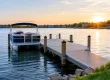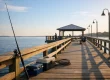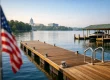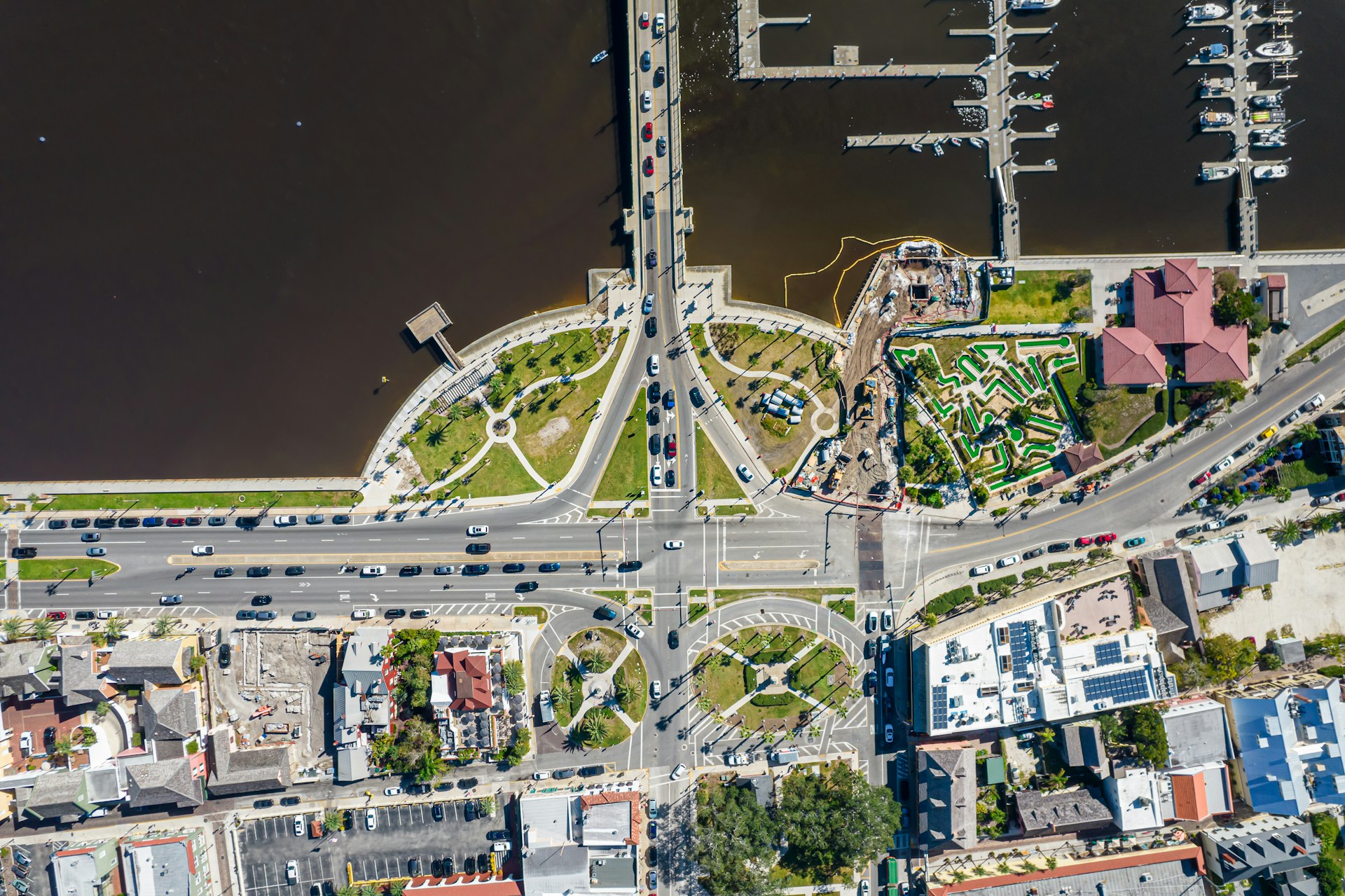
Texas communities love being near the water. Whether it’s a lake, pond, river, or coastal space, people naturally gather around shorelines to relax, fish, kayak, or spend time with friends and family. That’s why community-friendly waterfront areas have become some of the most important amenities for HOAs, parks, municipalities, and recreation teams. When designed well, these spaces bring people together, boost local engagement, and increase the value of nearby homes and public facilities.
This guide breaks down the essentials of building welcoming, safe, and long-lasting recreation areas on the water—even if you’re just getting started.
Start With What Your Community Actually Needs
Every waterfront area is different. Before building anything, take time to learn how your community uses the water now and how they’d like to use it in the future.
Ask questions like:
- Do families want a place to swim?
- Are fishing areas in high demand?
- Do kayakers and paddleboarders need better launching spots?
- Does the community need more shade, seating, or open space?
Understanding needs helps you design a space that gets used—not one that sits empty.
Plan Safe and Easy Access to the Water
The foundation of any good recreation area is how people get to the water. If the path is steep, slippery, or confusing, visitors won’t use it. Start with simple, dependable access.
Focus on:
- Smooth, stable walkways
- Gentle slopes instead of steep steps
- Clear directional signs
- Railings near drop-offs
- Ramps that adjust to water level changes
Floating docks are often a smart solution because they stay usable during seasonal water shifts. This makes access safer and more predictable for everyone.
Build Spaces Where People Actually Want to Gather
Great waterfronts have natural gathering points—spaces where people feel comfortable relaxing without feeling crowded. Even small improvements make a big difference in how people use the area.
Popular features include:
- Shaded benches
- Picnic tables
- Open grassy areas
- Shade structures
- Boardwalks or walk-out platforms
- Fishing piers
When people have places to sit, rest, and gather, the water becomes a true community asset.
Create Activity Zones to Keep the Area Organized
Separate spaces for different activities help reduce conflict and keep everyone safer. For example, swimmers and paddlers shouldn’t share the same launch area, and fishing lines shouldn’t cross over swimming zones.
Consider dividing your space into:
- A swimming area
- A fishing pier or corner
- A designated boat or kayak launch
- A gathering zone for picnics and shade
- A walking path that wraps the shoreline
Even basic zoning makes the area feel more organized and enjoyable.
Focus on Safety From the Start
Safety isn’t something to add later—it should guide the whole design. Communities with safe waterfront areas see fewer accidents, fewer complaints, and much higher satisfaction.
Key safety elements include:
- Slip-resistant surfaces
- Clear swim boundaries
- Life jacket stations
- Posted rules
- Strong handrails
- Adequate lighting
For Texas communities, heat safety also matters. Add shade, drinking fountains if possible, and visible signs reminding guests to stay hydrated.
Improve Accessibility So Everyone Can Enjoy the Water
A community-friendly recreation area needs to be usable for people of all ages and abilities. That includes families with strollers, seniors, and visitors with mobility challenges.
Add features like:
- Ramps with consistent slopes
- Wide pathways
- Transfer benches near kayak launches
- Level gathering spaces
- Handrails along ramps and docks
Accessibility increases usage and makes the waterfront feel more welcoming.
Choose Materials That Handle Texas Conditions
Texas weather is tough on outdoor structures. UV rays, high heat, water exposure, and sudden storms all put stress on docks and recreation zones.
Select materials that are:
- UV-resistant
- Slip-resistant
- Cool under bare feet
- Low-maintenance
- Durable in both fresh and saltwater environments
Floatation systems with long-lasting materials can handle heavy foot traffic and changing water levels without constant repair.
Add Simple Amenities That Encourage Longer Visits
People stay longer—and come back more often—when a recreation area feels comfortable and convenient.
Consider adding:
- Trash and recycling bins
- Bike racks
- Shade canopies
- Solar lighting
- Water bottle refill stations
- Clear site maps
Small upgrades increase satisfaction and reduce park maintenance headaches.
Create a Seasonal Maintenance Plan
Even the best waterfront area needs upkeep. Regular maintenance protects your investment and keeps the area safe for daily use.
A strong plan includes:
- Clearing debris from walkways
- Tightening dock hardware
- Inspecting floats and anchors
- Cleaning surfaces to prevent slips
- Replacing faded signage
- Reviewing lighting after dark
Routine checks keep the area looking fresh and help crews catch problems early.
Promote the Space Through Your Community Channels
Once the waterfront area is ready, make sure residents or visitors actually know about it. Use community newsletters, social media, digital displays, and signage at entry points.
Share things like:
- New features
- Safety reminders
- Seasonal updates
- Event invitations
- Photos of the waterfront in use
The more visible the area is, the more people will adopt it as part of their routine.
Final Thoughts
Waterfront areas bring communities together, but only when designed with intention. By focusing on access, safety, comfort, and long-term durability, HOAs, parks, and municipalities can build spaces that people love. A well-designed recreation area strengthens community bonds, increases property value, and gives families a place to enjoy the outdoors.
If your team is planning a new waterfront project or upgrading an existing one, EZ Dock Texas can help you move in the right direction. Visit the contact page at https://ezdocktexas.com/contact/ or connect with the team on Facebook at https://www.facebook.com/EZDockTX/.