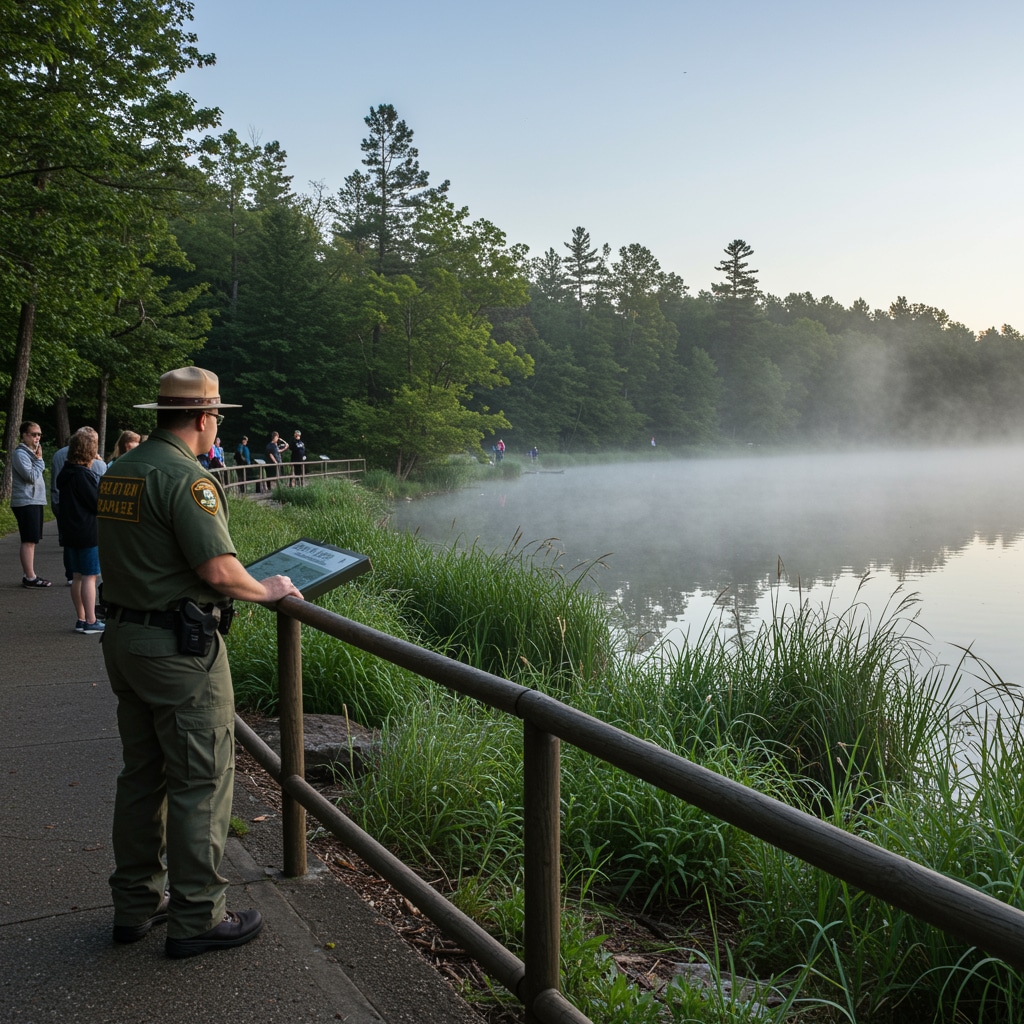
Protecting shoreline habitats while supporting public access in Texas requires controlled entry points, clear signage, habitat monitoring, and durable access infrastructure. Rangers play a key role in guiding behavior and maintaining balance between use and preservation.
Key Takeaways
- Controlled access protects fragile shorelines
- Ranger presence influences visitor behavior
- Infrastructure reduces environmental impact
- Monitoring prevents long-term damage
- Education is critical for compliance
Why This Matters
Texas shorelines are under constant pressure from recreation. Without management, habitats degrade quickly.
Rangers are the front line for:
- Protecting ecosystems
- Managing visitor behavior
- Reducing long-term damage
Common Mistakes to Avoid
- Allowing unrestricted shoreline access
- Lack of enforcement
- Poor signage
- No monitoring plan
- Ignoring erosion signs
- Reactive instead of proactive management
Best Practices
1. Define Access Zones
Direct visitors to approved entry points.
2. Install Durable Access Infrastructure
Reduces damage from repeated use.
3. Use Clear Signage
Explain:
- Where access is allowed
- Why restrictions exist
4. Monitor Shoreline Conditions
Track:
- Erosion
- Vegetation health
5. Engage Visitors
Education reduces violations.
Maintenance & Operations Plan
Weekly
- Patrol access areas
Monthly
- Inspect shoreline condition
Quarterly
- Review erosion and habitat health
Budget & Planning Notes
- Allocate for signage and infrastructure
- Budget for restoration
- Plan for staffing needs
Safety & Liability Considerations
Unmanaged shorelines can lead to:
- Injuries
- Environmental damage
- Liability exposure
FAQ
How can rangers protect shoreline habitats while allowing public access in Texas?
By controlling access points and educating visitors.
What causes shoreline damage?
Foot traffic, erosion, and uncontrolled access.
How do rangers influence behavior?
Through presence, signage, and enforcement.
What infrastructure helps?
Defined access points and durable walkways.
How often should shorelines be monitored?
At least monthly.
Why is signage important?
It explains restrictions and improves compliance.
What is the biggest risk?
Uncontrolled access leading to erosion.
Checklist
- Define access zones
- Install signage
- Monitor erosion
- Inspect vegetation
- Patrol regularly
- Educate visitors
- Document issues
- Plan restoration
- Budget for improvements
- Review annually
Protecting shoreline habitats while supporting public access in Texas requires consistent management, not occasional fixes. Rangers and agencies that stay proactive protect both the environment and the visitor experience. If you’re planning improvements, EZ Dock Texas can help evaluate access strategies. Contact here: https://ezdocktexas.com/contact/ or follow here: https://www.facebook.com/EZDockTX/