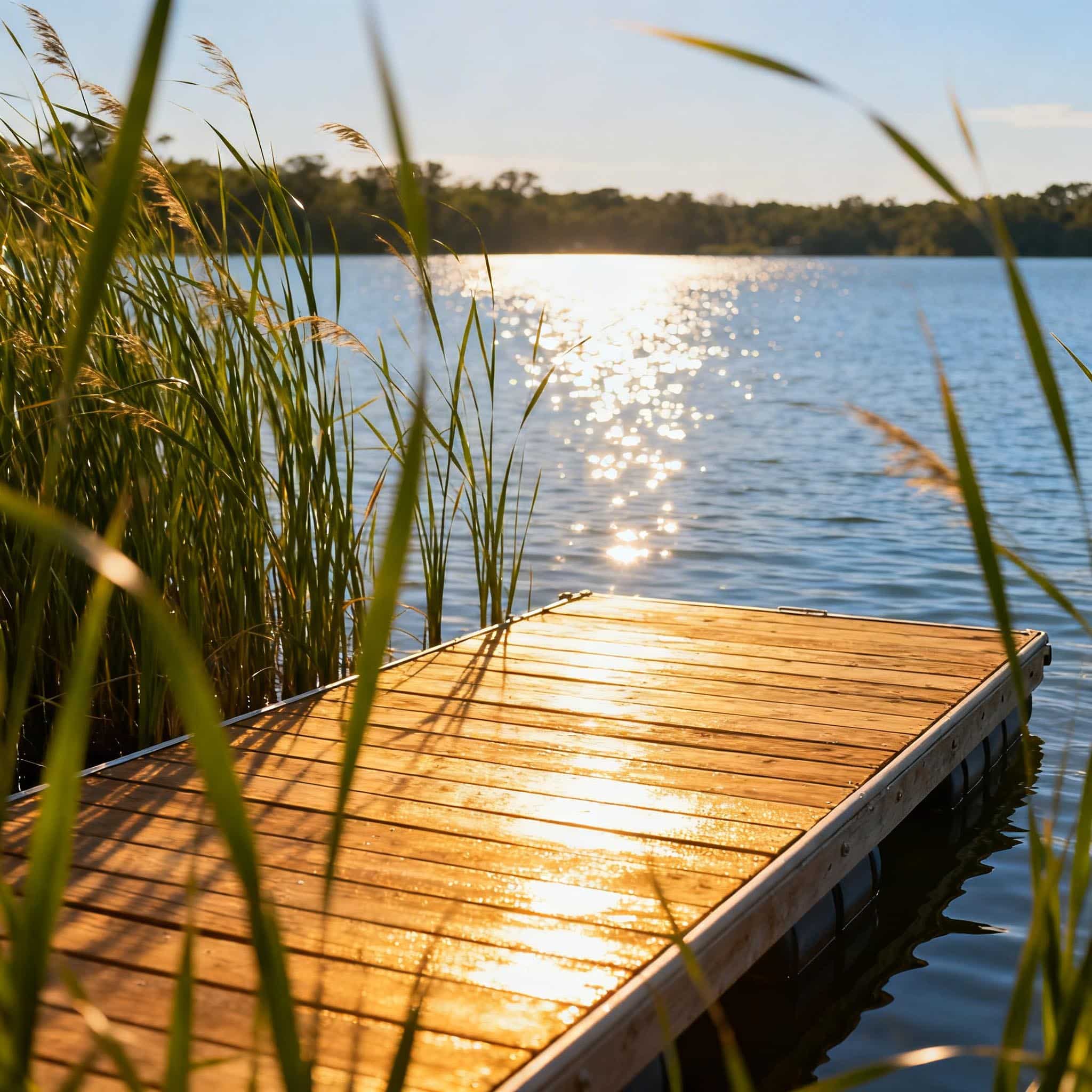
Maintaining floating structures in Texas weather requires routine inspections, UV-resistant materials, anchoring adjustments for water levels, and scheduled cleaning. Extreme heat, storms, and fluctuating lake levels demand proactive maintenance plans to prevent structural damage and reduce long-term costs.
Key Takeaways
- Texas weather accelerates wear on floating systems
- Water level changes require flexible anchoring systems
- UV exposure is a major degradation factor
- Preventive maintenance reduces emergency repairs
- Inspection schedules should match seasonal conditions
Why This Matters
Maintaining floating structures in Texas weather is not optional—it’s operational reality. Between extreme heat, UV exposure, storm events, and fluctuating lake levels, floating infrastructure faces constant stress.
Unlike fixed structures, floating systems move. That movement adds wear at connection points, anchoring systems, and walking surfaces.
If ignored, small issues turn into:
- Safety hazards
- Expensive repairs
- Downtime during peak seasons
Common Mistakes to Avoid
- Skipping inspections during off-season
- Ignoring UV degradation
- Not adjusting anchoring systems with water levels
- Using incompatible repair materials
- Delaying small fixes until failure occurs
- Poor documentation of maintenance history
- Underestimating storm impact
Best Practices
1. Establish a Seasonal Inspection Schedule
Increase inspection frequency during:
- Summer peak usage
- Post-storm periods
2. Monitor Anchoring Systems
Texas lakes fluctuate. Ensure anchoring:
- Adjusts with water levels
- Remains secure during storms
3. Address UV Exposure
Use materials that resist:
- Fading
- Cracking
- Warping
4. Clean Surfaces Regularly
Prevent buildup of:
- Algae
- Debris
- Slippery residues
5. Inspect Connection Points
These are the most common failure areas. Check for:
- Wear
- Loosening
- Stress damage
Maintenance & Operations Plan
Weekly
- Visual inspection
- Surface cleaning
Monthly
- Check connectors and joints
- Inspect anchoring tension
Quarterly
- Structural integrity review
- Floatation performance check
After Storms
- Full inspection required
Budget & Planning Notes
- Budget for annual maintenance cycles
- Plan for component replacement every 5–10 years
- Include storm contingency funds
- Track maintenance costs vs replacement
Safety & Liability Considerations
Failure to maintain floating structures increases:
- Slip hazards
- Structural failures
- Liability exposure
Routine documentation helps demonstrate due diligence.
FAQ
How often should floating docks be inspected in Texas?
At least weekly during peak season and after major weather events.
What damages floating structures the most?
UV exposure, storms, and water level fluctuations.
Can staff handle maintenance in-house?
Yes, basic inspections and cleaning can be handled internally.
What signs indicate structural issues?
Loose connections, uneven surfaces, and visible cracking.
Do floating structures require anchoring adjustments?
Yes, especially with changing lake levels.
How do you extend lifespan?
Consistent maintenance and early repairs.
Are floating docks safe in storms?
They can be, if properly anchored and maintained.
What is the biggest maintenance mistake?
Waiting until visible failure occurs.
Checklist
- Schedule weekly inspections
- Inspect after storms
- Monitor anchoring systems
- Clean surfaces regularly
- Check connectors and joints
- Document all maintenance
- Plan for seasonal changes
- Budget for repairs
- Replace worn components early
- Train staff on inspection standards
Maintaining floating structures in Texas weather is about consistency, not reaction. The operators who stay ahead of wear and seasonal stress avoid bigger failures later. If you’re planning upgrades or evaluating your current setup, EZ Dock Texas can help guide waterfront planning decisions. Reach out here: https://ezdocktexas.com/contact/ or follow along here: https://www.facebook.com/EZDockTX/