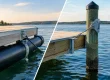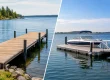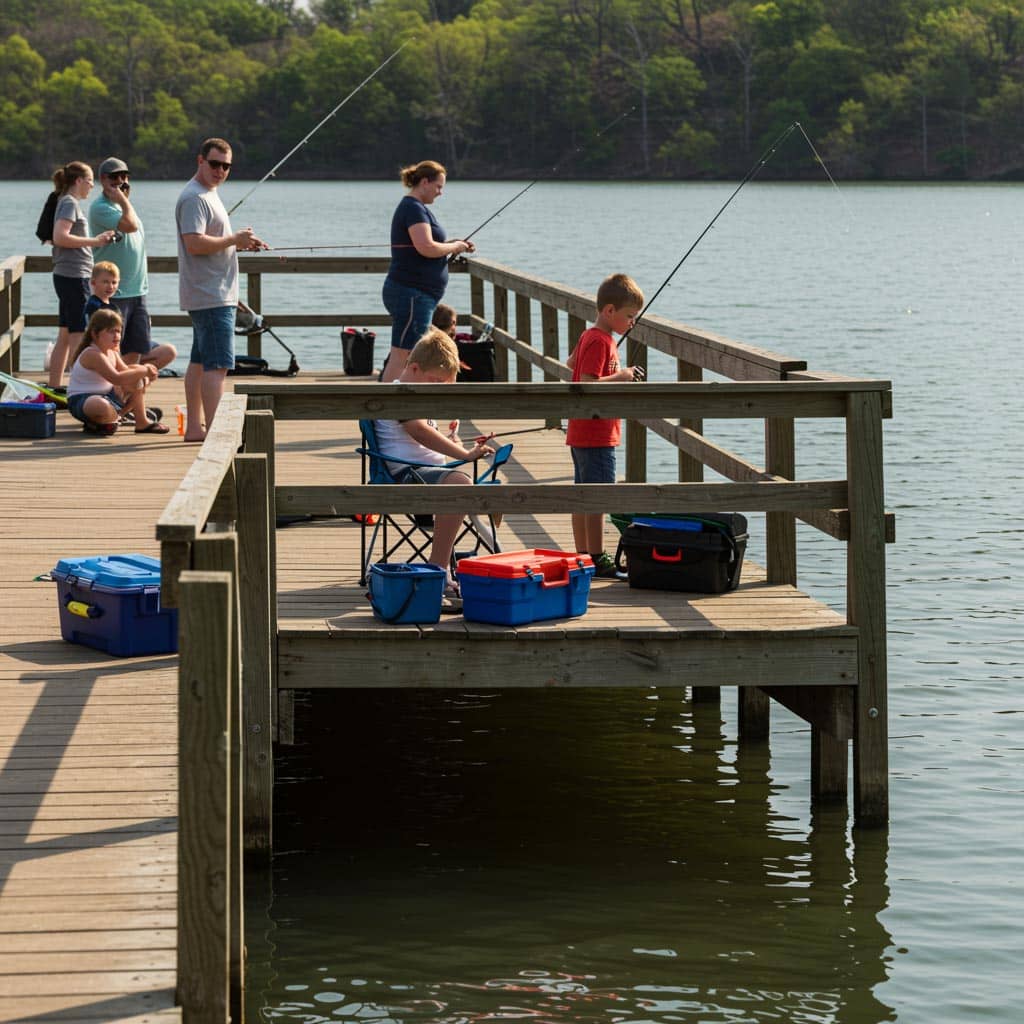
A safe and durable public fishing pier in Texas includes stable structure, slip-resistant surfaces, proper railings, ADA access, and clear zoning for fishing activity. Family-friendly design also considers space, visibility, and separation from boat traffic.
Key Takeaways
- Stability and surface traction are critical for safety
- Railings and edges reduce fall risks
- ADA access expands usability
- Space planning prevents overcrowding
- Separation from boat traffic improves safety
Why This Matters
Fishing piers are high-use assets in Texas parks and municipal lakes. They attract families, children, and anglers of all experience levels.
Poor design leads to:
- Safety incidents
- Overcrowding
- Maintenance issues
Common Mistakes to Avoid
- Narrow pier layouts
- Lack of railings
- Slippery surfaces
- No ADA access
- Poor lighting
- Mixing fishing and boat traffic
- Ignoring maintenance
Best Practices
1. Ensure Structural Stability
Piers must handle:
- High foot traffic
- Environmental stress
2. Use Slip-Resistant Surfaces
Critical for safety in wet conditions.
3. Install Railings and Edge Protection
Reduces fall risk, especially for children.
4. Provide Adequate Space
Avoid overcrowding and improve experience.
5. Separate from Boat Traffic
Design location carefully.
Maintenance & Operations Plan
Weekly
- Inspect surface and railings
Monthly
- Check structural components
Quarterly
- Full safety inspection
Budget & Planning Notes
- Plan for long-term durability
- Budget for routine maintenance
- Consider lifecycle costs
Safety & Liability Considerations
Fishing piers carry higher risk due to:
- Water proximity
- Hooks and equipment
- Slippery surfaces
FAQ
What makes a public fishing pier safe in Texas?
Stable structure, railings, and slip-resistant surfaces.
Are fishing piers required to be ADA accessible?
Yes, for public facilities.
How wide should a fishing pier be?
Typically 8–12 feet minimum.
What materials are best?
Durable, weather-resistant materials.
How often should piers be inspected?
Weekly during peak use.
How do you prevent overcrowding?
Design for capacity and manage access.
Should fishing piers allow boat access nearby?
No, separation improves safety.
Checklist
- Ensure structural stability
- Install slip-resistant surfaces
- Add railings
- Provide ADA access
- Plan adequate width
- Separate from boat traffic
- Install lighting
- Schedule inspections
- Document maintenance
- Plan for replacement
Public fishing pier safety and design in Texas comes down to planning for real use, not ideal conditions. When done right, these spaces become long-term community assets. If you’re evaluating a new pier or upgrading an existing one, EZ Dock Texas can help guide the planning process. Reach out here: https://ezdocktexas.com/contact/ or follow here: https://www.facebook.com/EZDockTX/