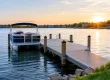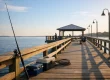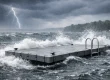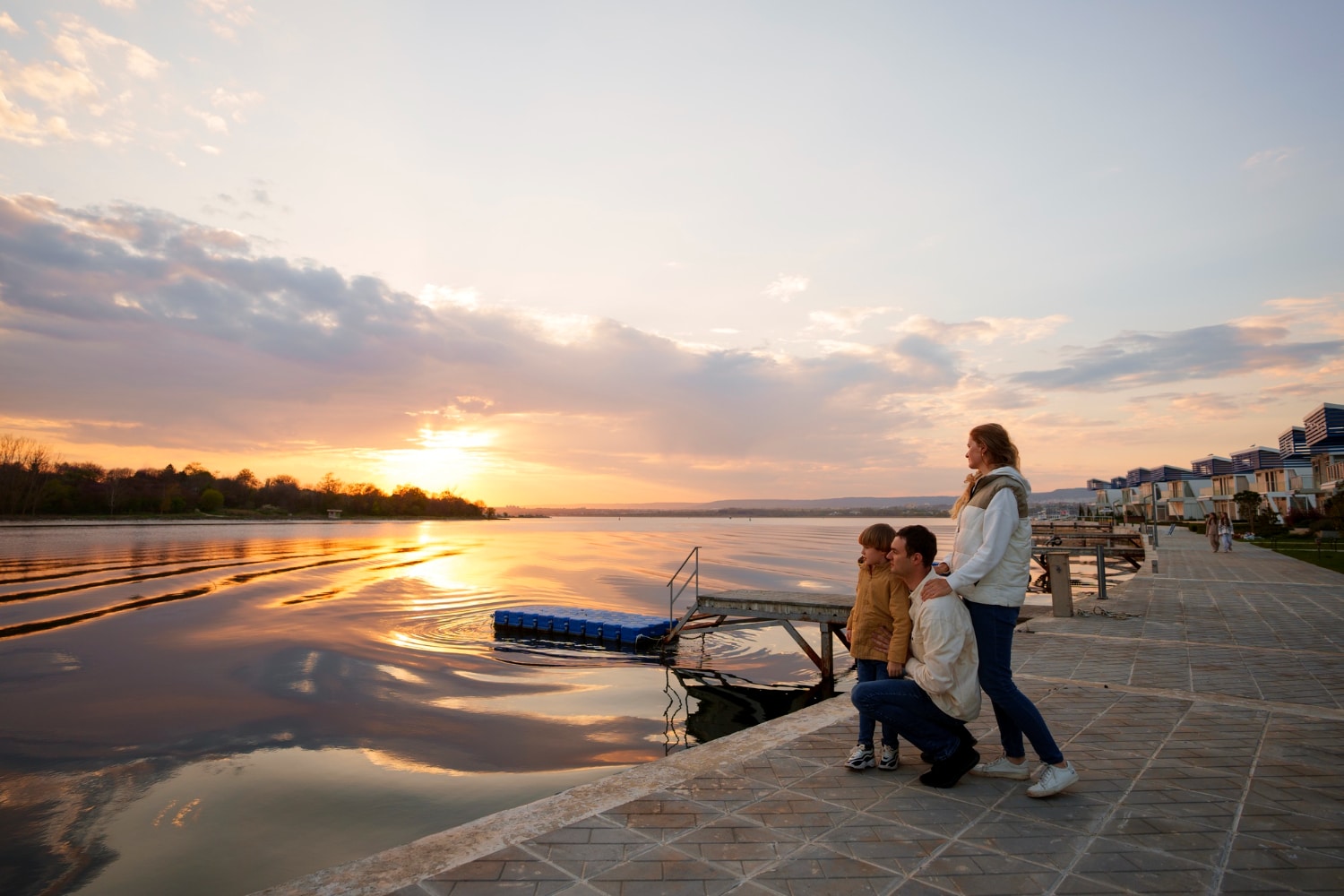
Modular waterfront design helps public recreation areas adapt to changing water levels, growing visitor traffic, and long-term maintenance needs. Texas parks and municipalities increasingly use modular layouts because they simplify expansion, improve accessibility, reduce repair complexity, and support multiple recreation uses without rebuilding entire waterfront systems.
Key Takeaways
- Modular layouts simplify long-term waterfront expansion and upgrades.
- Flexible infrastructure handles fluctuating Texas water levels better.
- Public agencies reduce repair disruptions with replaceable sections.
- Visitor safety improves through organized recreation access zones.
- Phased waterfront planning aligns better with public budget cycles.
Why This Matters
Texas public waterfronts are busier than they were even five years ago. Municipal lakes, county recreation areas, marinas, and state parks continue seeing increased demand from kayakers, paddleboard users, anglers, and families looking for outdoor recreation. At the same time, public agencies face tighter staffing, aging infrastructure, rising maintenance costs, and growing expectations around accessibility and safety.
That combination is forcing many decision-makers to rethink how waterfront infrastructure gets planned.
Traditional fixed waterfront construction often works well in stable environments, but many Texas lakes do not operate under stable conditions year-round. Water levels fluctuate. Shorelines shift. Visitor demand changes seasonally. Recreation trends evolve. Infrastructure that cannot adapt quickly usually becomes expensive to maintain and difficult to expand.
That is where modular waterfront design has become increasingly important.
Instead of treating waterfront infrastructure as one large permanent build, modular planning breaks recreation areas into adaptable sections. Walkways, launch points, observation areas, fishing access, and marina connections can expand, shift, or reconfigure over time without forcing agencies into complete rebuild projects.
For Texas parks departments and public recreation operators, that flexibility matters financially as much as operationally.
Many public agencies now plan waterfronts in phases instead of attempting large one-time construction projects. A modular approach allows cities and counties to improve public access immediately while leaving room for future expansion as budgets, grants, or recreation needs evolve.
This planning style also helps facilities respond faster when visitor traffic changes.
For example, many Texas parks originally designed around fishing and powerboats now see increasing paddlesports traffic. Kayaks and paddleboards require different access points, safer launch zones, and improved shoreline circulation. Modular infrastructure allows operators to adapt without rebuilding entire waterfront systems from scratch.
The same principle applies to ADA accessibility improvements.
Many older public docks and lakefront access areas struggle with accessibility compliance because they were built decades ago under different recreation standards. Modular planning allows agencies to improve access incrementally while prioritizing high-traffic areas first.
There is also a maintenance advantage.
When a traditional fixed structure develops problems, repairs often affect large sections of the waterfront. Modular layouts typically isolate repairs to smaller sections, reducing downtime and operational disruption during peak recreation seasons.
That operational continuity matters for public trust, tourism activity, and staffing efficiency.
Common Mistakes to Avoid
- Building fixed infrastructure without considering seasonal water fluctuation
- Mixing paddlesports traffic with larger boat launch activity
- Underestimating long-term maintenance staffing requirements
- Delaying ADA accessibility improvements until later project phases
- Designing recreation spaces without visitor flow planning
- Ignoring shoreline erosion near high-traffic access points
- Using infrastructure that cannot expand as visitor demand grows
Best Practices
Start With Visitor Behavior, Not Just Construction
Strong waterfront planning starts by understanding how people actually use the space. Parks departments should evaluate where visitors park, gather, unload equipment, fish, launch boats, and move between recreation areas.
Poor traffic flow creates congestion, safety risks, and operational headaches later.
Separate Recreation Uses
Kayaks, paddleboards, fishing activity, swimming areas, and motorized boat traffic should not compete for the same space whenever possible. Separate recreation zones improve safety while reducing staffing pressure.
This becomes especially important during weekends and holiday traffic surges.
Plan for Expansion Early
One of the biggest advantages of modular waterfront design is future flexibility. Agencies should reserve shoreline space for additional launches, walkways, or gathering areas even if they are not part of the first phase.
That reduces future redesign costs significantly.
Prioritize Maintenance Access
Maintenance crews need safe access to inspect, clean, and repair waterfront infrastructure. Too many older facilities force staff into difficult or unsafe maintenance conditions because service access was never considered during planning.
Use Phased Budget Planning
Large waterfront improvements often become easier politically and financially when broken into phases. Cities and counties can complete critical upgrades first while planning additional improvements around grants, tourism funding, or future capital cycles.
Maintenance & Operations Plan
Daily
- Inspect walkways and launch points during peak season
- Remove debris from public access areas
- Check safety signage visibility
Weekly
- Inspect connectors, ramps, and access hardware
- Review shoreline wear near high-traffic areas
- Clean surfaces to reduce slipping hazards
Monthly
- Evaluate dock alignment and flotation stability
- Review ADA access routes
- Inspect lighting and emergency access paths
Quarterly
- Perform structural assessments
- Review visitor flow challenges
- Evaluate staffing and maintenance workload trends
Annually
- Conduct full waterfront inspection
- Review phased improvement priorities
- Update capital planning projections
Budget & Planning Notes
Public waterfront projects rarely fail because of initial construction alone. Most operational problems appear later through maintenance burden, poor expansion planning, or infrastructure that cannot adapt to changing recreation patterns.
That is why lifecycle thinking matters.
Decision-makers should evaluate:
- Long-term repair costs
- Staffing requirements
- Accessibility upgrades
- Shoreline stabilization needs
- Water-level variability
- Seasonal operating pressure
- Replacement timelines
Modular waterfront planning often reduces future reconstruction costs because agencies can expand or replace sections incrementally instead of rebuilding entire systems.
That flexibility also creates better alignment with public budget cycles.
Safety & Liability Considerations
Waterfront recreation areas create significant liability exposure if visitor movement, launch access, and shoreline conditions are poorly managed.
Facilities should maintain:
- Slip-resistant surfaces
- Clear recreation zoning
- Visible emergency access routes
- ADA-compliant pathways
- Routine inspection documentation
- Strong nighttime visibility
- Safe separation between boating and paddlesports activity
This content is informational only and not legal advice.
FAQ
Why are Texas parks moving toward modular waterfront design?
Many parks need infrastructure that adapts to changing water levels, heavier visitor traffic, and phased budget planning. Modular waterfront design allows facilities to expand and adjust more easily over time.
Does modular planning reduce maintenance costs?
In many cases, yes. Smaller replaceable sections often simplify repairs and reduce operational disruption compared to large fixed structures.
Why does visitor flow matter so much?
Poor waterfront circulation creates congestion, safety problems, and staffing challenges during peak recreation periods.
Can modular infrastructure support ADA accessibility?
Yes. Many modular layouts improve accessibility because agencies can phase upgrades and improve specific access areas over time.
Why are paddlesports changing waterfront planning?
Kayaks and paddleboards require safer, lower-profile access points than traditional boat ramps. Public recreation demand continues shifting toward these activities.
How do changing Texas water levels impact waterfront design?
Water fluctuations affect shoreline access, dock usability, launch safety, and structural stress throughout the year.
Should agencies phase waterfront improvements?
Most public agencies benefit from phased implementation because it aligns better with grant funding and annual capital planning.
What creates the biggest maintenance burden?
Deferred inspections, shoreline erosion, outdated materials, and overcrowded recreation zones usually create the largest operational issues.
How can municipalities improve waterfront safety quickly?
Clear signage, better visitor separation, improved lighting, and safer launch access often create immediate operational improvements.
What role does tourism play in waterfront investment?
Waterfront recreation directly supports tourism, local business activity, and community quality of life across many Texas markets.
Checklist
☐ Evaluate current visitor traffic patterns
☐ Identify overcrowded recreation zones
☐ Review shoreline erosion conditions
☐ Assess ADA accessibility gaps
☐ Separate paddlesports from boat launch traffic
☐ Review emergency access routes
☐ Inspect existing dock conditions
☐ Plan future expansion areas
☐ Document maintenance workload challenges
☐ Review seasonal water-level impacts
☐ Evaluate lighting and signage visibility
☐ Update safety inspection procedures
☐ Coordinate with environmental teams
☐ Build phased improvement priorities
☐ Review long-term replacement timelines
As Texas parks, municipalities, HOAs, and marina operators continue modernizing recreation access, modular waterfront design is becoming an increasingly practical approach for balancing safety, flexibility, durability, and long-term maintenance demands. Organizations planning future waterfront improvements or evaluating aging recreation infrastructure can learn more by connecting with EZ Dock Texas or following regional waterfront project insights on Facebook.