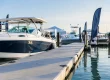
Improving waterfront visitor flow starts with organized movement. Texas parks and marinas can reduce congestion, improve safety, and lower staffing pressure by using better signage, separating recreation zones, simplifying access routes, and planning how visitors move between parking, launch areas, docks, restrooms, and shoreline recreation spaces.
Key Takeaways
- Poor visitor flow creates safety and staffing challenges quickly.
- Organized circulation improves waterfront operations during peak seasons.
- Signage reduces confusion around launches, parking, and recreation zones.
- Separation between activities improves safety and public experience.
- Better layouts reduce maintenance and operational stress long-term.
Why This Matters
Most waterfront congestion problems begin long before visitors reach the water.
They start in parking lots, entrance roads, trailer staging areas, launch queues, and poorly marked pedestrian paths. When waterfront circulation lacks structure, confusion spreads quickly. Drivers stop suddenly. Kayak users cross traffic lanes. Families gather near launch ramps. Anglers block walkways. Staff spend more time directing traffic than maintaining the facility itself.
For Texas parks departments and marina operators, these issues are becoming more common every year.
Public recreation demand continues growing across municipal lakes, county parks, and HOA waterfronts. More visitors are using public shoreline access for kayaking, paddleboarding, fishing, swimming, and sightseeing. Many facilities were never designed for that level of mixed recreation traffic.
That creates operational pressure.
Poor waterfront visitor flow affects far more than convenience. It directly impacts:
- Safety
- Emergency access
- ADA accessibility
- Staff workload
- Maintenance efficiency
- Public satisfaction
- Liability exposure
Busy waterfront areas also experience very different traffic patterns than standard public parks.
Boat trailers require wider turning space. Pedestrians move unpredictably near water. Visitors often carry equipment. Families gather around loading zones. Paddlesports users typically move slower than traditional boat traffic. During summer weekends, even small design problems become major operational issues.
That is why wayfinding has become a much larger priority in modern waterfront planning.
Good wayfinding is not just signs.
It is the entire system that helps visitors understand where they are supposed to go, how they should move through the space, and how different recreation activities stay organized.
Strong waterfront circulation planning reduces confusion naturally.
Visitors should immediately understand:
- Where to park
- Where to unload equipment
- How to reach launch areas
- Which paths are pedestrian-only
- Where fishing activity is allowed
- How to reach restrooms and emergency services
- Where different recreation uses begin and end
When these systems work well, parks operate more smoothly with less staff intervention.
That operational efficiency matters because many public agencies already face staffing shortages and limited maintenance resources. Facilities that reduce confusion through design usually lower operational stress significantly during peak seasons.
Waterfront visitor flow also directly affects public perception.
Even well-maintained parks feel chaotic when movement patterns are unclear. Visitors judge recreation spaces quickly based on congestion, confusion, and ease of access. Organized circulation improves the experience immediately without necessarily requiring large construction budgets.
Common Mistakes to Avoid
- Combining pedestrian traffic with boat trailer circulation
- Using inconsistent or difficult-to-read signage
- Allowing kayak launches near powerboat ramps
- Creating narrow walkways near high-traffic waterfront areas
- Ignoring ADA path accessibility between parking and docks
- Placing gathering areas too close to launch activity
- Failing to plan overflow traffic during peak weekends
Best Practices
Separate Traffic Types Early
One of the biggest mistakes waterfront operators make is allowing every visitor type to use the same pathways.
Pedestrians, paddlesports users, boat trailers, maintenance vehicles, and anglers all move differently. Separating those circulation patterns improves safety immediately.
Keep Signage Simple
Visitors process information quickly near busy waterfronts. Signs should use:
- Clear language
- Large lettering
- Consistent colors
- Directional arrows
- Distance markers where needed
Overcomplicated signs often create more confusion.
Create Natural Movement Patterns
The best waterfront visitor flow systems feel intuitive. Visitors should naturally move toward parking, docks, launches, and recreation areas without needing constant staff direction.
Wide paths, visible sightlines, and organized staging areas help accomplish this.
Build Dedicated Paddlesports Access
Kayaks and paddleboards continue growing rapidly in Texas recreation areas. Dedicated launch areas reduce congestion near traditional boat ramps while improving safety for everyone involved.
Plan for Peak Capacity
Many waterfronts function adequately during slow periods but fail operationally during holiday weekends and summer traffic spikes.
Facilities should evaluate:
- Overflow parking
- Trailer queue areas
- Emergency vehicle access
- Pedestrian bottlenecks
- Crowd gathering points
before problems occur.
Maintenance & Operations Plan
Daily
- Inspect directional signage visibility
- Monitor congestion near launch areas
- Remove barriers from pedestrian paths
Weekly
- Review parking and traffic flow conditions
- Inspect striping and path markings
- Check lighting around walkways
Monthly
- Evaluate visitor congestion patterns
- Review ADA accessibility routes
- Inspect shoreline circulation areas
Quarterly
- Assess seasonal traffic challenges
- Update operational signage if needed
- Review emergency access performance
Annually
- Conduct full circulation analysis
- Review visitor complaints and incident reports
- Update phased improvement priorities
Budget & Planning Notes
Wayfinding improvements often create operational benefits faster than large construction projects.
Many facilities can improve waterfront visitor flow through:
- Better signage
- Path widening
- Traffic separation
- Parking reconfiguration
- Launch relocation
- Improved lighting
- Dedicated staging areas
without requiring complete redevelopment.
Decision-makers should evaluate both immediate operational improvements and long-term circulation planning together.
Waterfront congestion usually increases over time, not decreases. Planning for future recreation demand now often prevents much larger infrastructure costs later.
Safety & Liability Considerations
Disorganized waterfront circulation increases the risk of:
- Pedestrian accidents
- Vehicle conflicts
- Emergency response delays
- ADA accessibility complaints
- Slip-and-fall incidents
- Congestion near launch ramps
Facilities should maintain:
- Clear emergency access
- Strong nighttime visibility
- Separated recreation zones
- Routine signage inspections
- Documented traffic reviews
- Accessible pedestrian routes
This content is informational only and not legal advice.
FAQ
Why does waterfront visitor flow matter so much?
Poor circulation creates safety risks, operational stress, visitor frustration, and staffing challenges during busy recreation periods.
What causes the biggest congestion problems at Texas parks?
Boat trailer traffic, mixed recreation uses, narrow walkways, and unclear signage create most waterfront bottlenecks.
How can parks improve wayfinding without major construction?
Clear signage, path striping, better launch organization, and separated recreation zones often create immediate improvements.
Should kayak launches stay separate from boat ramps?
In most cases, yes. Dedicated paddlesports access improves safety and reduces launch congestion.
How often should wayfinding systems be reviewed?
Busy parks should evaluate visitor circulation patterns seasonally and after major attendance increases.
What role does ADA accessibility play in visitor flow?
Accessible routes improve circulation for all visitors while reducing congestion and safety problems.
Why do waterfront parks experience operational stress during holidays?
Peak recreation demand exposes layout problems that may remain hidden during slower traffic periods.
Can better visitor flow reduce staffing pressure?
Yes. Organized circulation reduces the amount of direct traffic management staff must perform daily.
How important is lighting near waterfront walkways?
Very important. Poor visibility increases trip hazards and emergency response challenges.
What should agencies prioritize first?
High-risk congestion points, emergency access routes, launch safety, and pedestrian separation should come first.
Checklist
☐ Evaluate current traffic bottlenecks
☐ Separate pedestrian and trailer circulation
☐ Review signage clarity and visibility
☐ Assess ADA pathway access
☐ Inspect launch congestion areas
☐ Identify unsafe gathering points
☐ Improve nighttime lighting visibility
☐ Review emergency vehicle access
☐ Create dedicated paddlesports routes
☐ Inspect parking overflow capacity
☐ Evaluate shoreline walking paths
☐ Review visitor complaints and incidents
☐ Update directional signage systems
☐ Plan phased circulation improvements
☐ Document maintenance inspection procedures
As demand for recreation continues to grow across Texas parks, marinas, municipal lakes, and HOA waterfronts, organized waterfront visitor flow is becoming essential for safety, operations, accessibility, and long-term maintenance planning. Public agencies and waterfront operators evaluating circulation improvements or future recreation upgrades can connect with EZ Dock Texas or follow regional waterfront planning insights on Facebook.