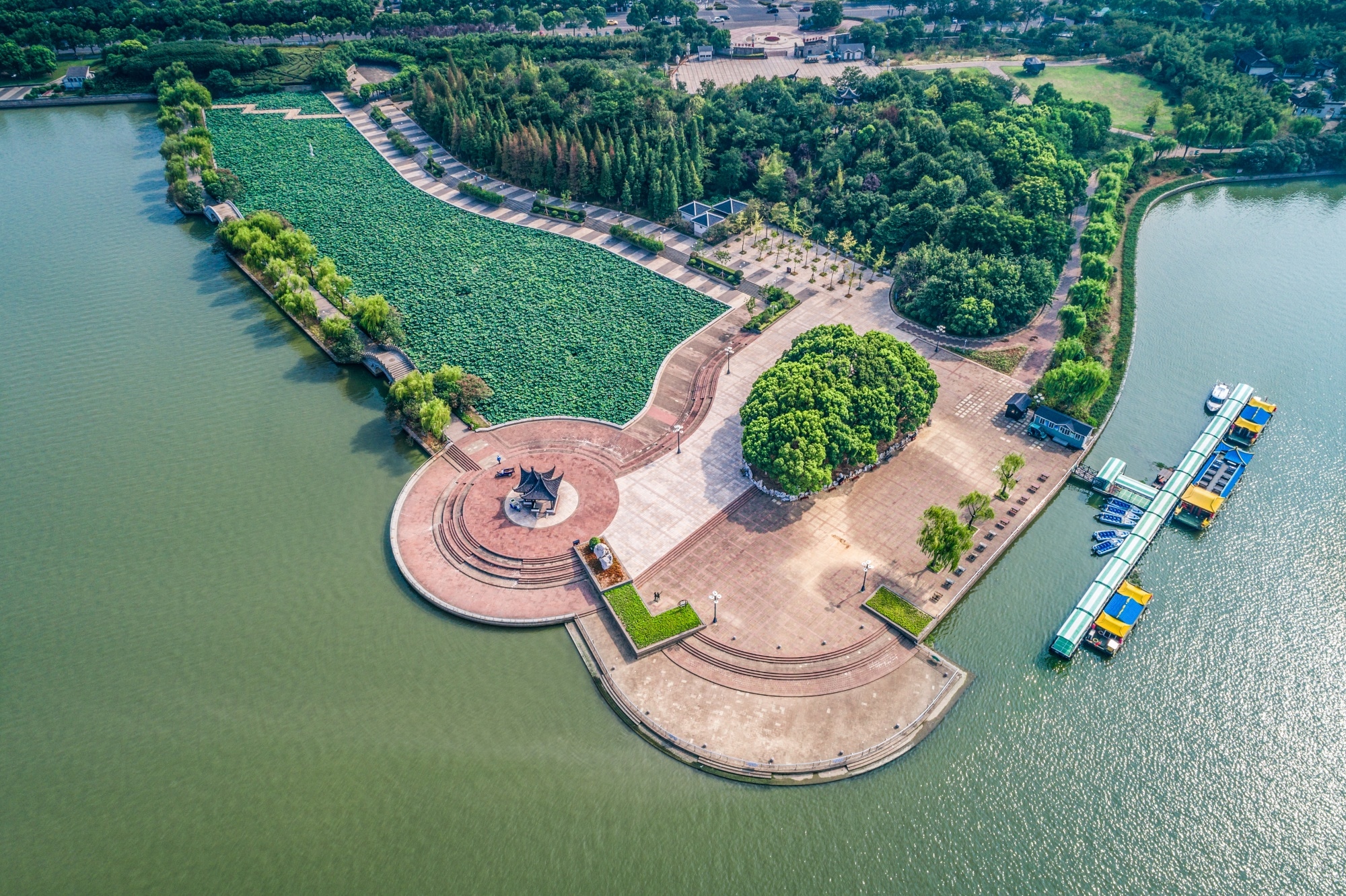
Waterfront improvements capital planning in Texas requires aligning infrastructure needs with budget cycles, prioritizing safety and durability, and planning for lifecycle costs. Early planning ensures projects are funded, phased correctly, and built for long-term performance.
Key Takeaways
- Align projects with fiscal year planning cycles
- Prioritize safety and high-use infrastructure first
- Plan for lifecycle costs, not just installation
- Phase projects to match funding availability
- Document needs early to secure funding
Why This Matters
Texas municipalities and park systems operate on strict budget cycles. Missing a planning window can delay waterfront improvements by a full year or more.
Reactive upgrades often:
- Cost more
- Disrupt operations
- Miss peak usage windows
Common Mistakes to Avoid
- Waiting until infrastructure fails
- Not aligning with budget cycles
- Ignoring lifecycle costs
- Underestimating maintenance
- Lack of phased planning
- Poor documentation of needs
Best Practices
1. Start Planning 12–24 Months Ahead
Identify needs early to secure funding.
2. Prioritize High-Risk Areas
Focus on:
- Safety issues
- High-traffic zones
3. Use Phased Implementation
Break projects into manageable stages.
4. Evaluate Lifecycle Costs
Consider:
- Maintenance
- Replacement timelines
5. Coordinate Across Departments
Align parks, finance, and operations teams.
Maintenance & Operations Plan
Ongoing
- Track maintenance costs
Annually
- Review infrastructure condition
Pre-Budget Cycle
- Update project priorities
Budget & Planning Notes
- CAPEX: installation and upgrades
- OPEX: maintenance and staffing
- Plan for 5–10 year replacement cycles
- Include contingency funds
Safety & Liability Considerations
Delayed upgrades increase:
- Safety risks
- Liability exposure
- Emergency repair costs
FAQ
How far in advance should waterfront projects be planned in Texas?
Typically 12–24 months before budget approval.
What should be prioritized first?
Safety and high-use infrastructure.
Why is lifecycle cost important?
It prevents underbudgeting long-term expenses.
Can projects be phased?
Yes, phased projects align with funding cycles.
What happens if planning is delayed?
Projects may be pushed back a full year.
Who should be involved in planning?
Parks, finance, and operations teams.
Checklist
- Identify infrastructure needs
- Prioritize safety risks
- Align with budget cycles
- Plan phased projects
- Estimate lifecycle costs
- Coordinate departments
- Document project scope
- Secure funding
- Schedule implementation
- Review annually
Waterfront improvements capital planning in Texas is about timing and discipline. The agencies that plan ahead control costs and avoid emergency fixes. If you’re evaluating upcoming projects, EZ Dock Texas can support planning and infrastructure strategy. Contact here: https://ezdocktexas.com/contact/ or follow here: https://www.facebook.com/EZDockTX/