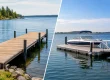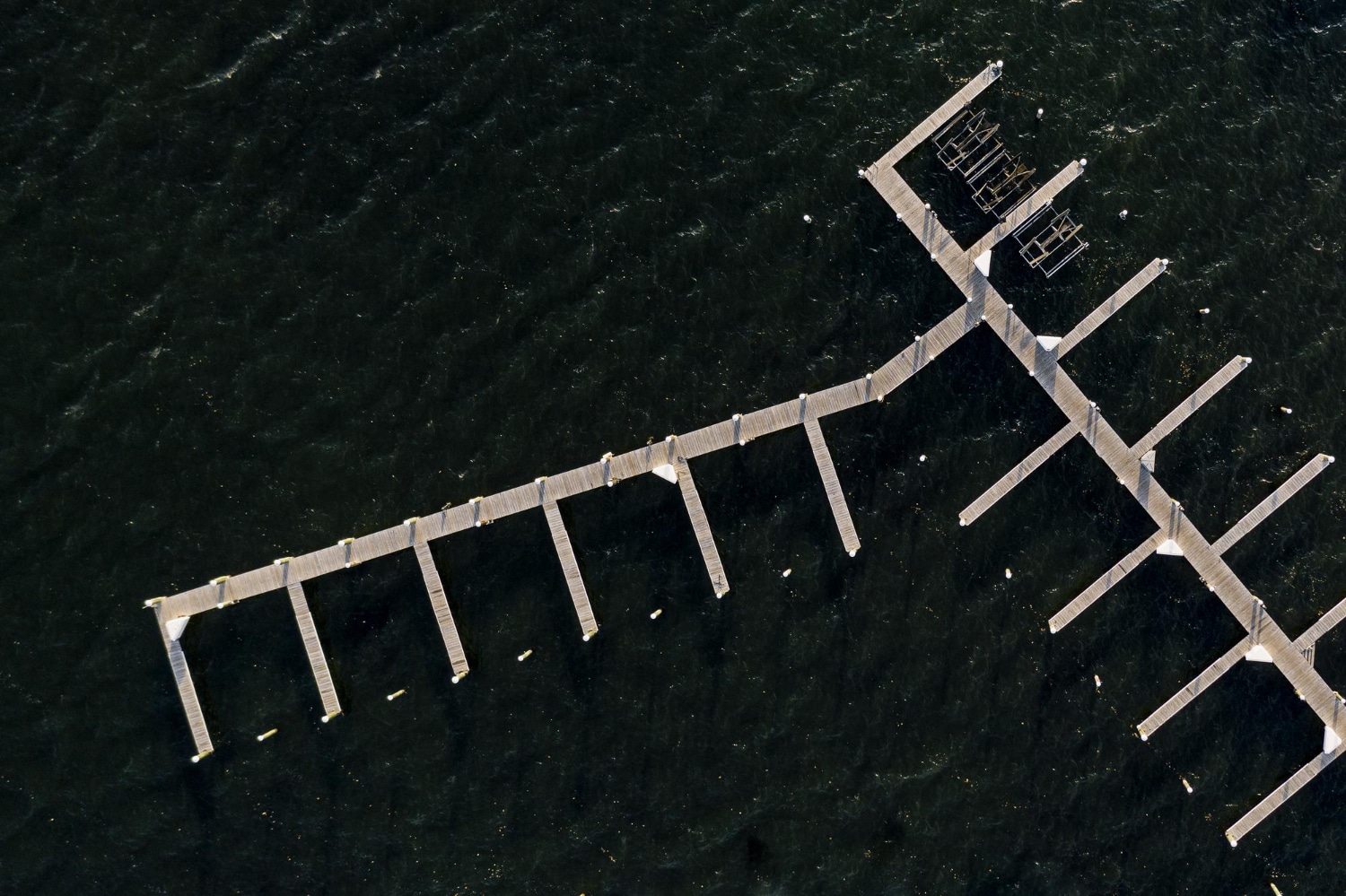
Transitioning a high-end marine asset away from high-maintenance traditional materials requires a strategic investment in advanced polymer engineering. For estate managers, upgrading to zero-maintenance waterfront solutions means replacing deteriorating timber, steel, or aluminum docks with heavy-duty, UV-stabilized polyethylene floating systems. This upgrade eliminates ongoing operational expenses like stripping, staining, welding, or replacing rusted fasteners. By opting for a modular, saltwater-impermeable design, properties achieve complete structural resilience against rot and marine boring organisms, ensuring exceptional asset longevity and predictable lifecycle costs.
The Physics of the Waterfront: Managing Site Conditions
Waterfront estate managers balance luxury hospitality standards with the harsh realities of dynamic aquatic environments. On the Texas coast and regional deep-water reservoirs, traditional fixed wooden or metallic structures face continuous environmental wear. Wood rot, splintering, and warping are accelerated by high ambient humidity and intense UV exposure, while underwater components are constantly attacked by marine wood-boring organisms.
Steel pilings and standard galvanized hardware corrode rapidly in saltwater, leading to structural fatigue and joint failures. When fixed structures face tidal fluctuations, high-velocity currents, or heavy boat wakes, their rigid design forces them to resist these massive kinetic loads directly. This continuous strain loosens fasteners and degrades structural framing. Upgrading to a flexible, high-density floating dock infrastructure solves these problems; the system moves with wave forces rather than fighting them, dispersing stress across a pliable polymer matrix.
Primary Risk and Operational Challenges
Escalating Operational Expenditures (OpEx)
Traditional docks require annual power washing, chemical sealing, board replacements, and structural welding. For private marinas and commercial operators, these ongoing maintenance demands create a permanent drain on labor and capital budgets, reducing the asset’s overall return on investment (ROI).
Guest Liability and Safety Vectors
As wood docks age, they warp, back out screws, and grow slippery algae. This degradation creates immediate trip, puncture, and slip hazards for guests, exposing luxury hospitality properties to significant insurance liabilities and negative guest reviews.
Environmental Permitting and Regulatory Compliance
Many traditional building materials use chemically treated wood that can leach toxins into sensitive marine ecosystems. When repairing or expanding older docks, estate managers face strict regulatory reviews from local river authorities and the U.S. Army Corps of Engineers, which often restrict wood treatments.
Engineering and Design Evaluation Criteria
When evaluating a long-term upgrade for an elite private development or coastal estate, look past initial cosmetics to focus on material performance. The replacement system must demonstrate exceptional impact resistance to withstand heavy wake and debris impacts without cracking or denting. Estate managers should select heavy-duty, rotationally molded linear low-density polyethylene (LLDPE) systems engineered with a thick-walled, hollow profile. This material is completely saltwater-impermeable, meaning it will never rot, rust, peel, or corrode, and it completely resists damage from boring organisms.
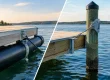
The framing and connection hardware must support deep-water depth adaptability without using rigid, high-maintenance underwater grout or permanent beds. High-tensile composite or rubber couplers provide flexible, quiet connection joints that eliminate the screeching and metal fatigue common with aluminum or steel docks. This modular scalability lets property managers easily alter or expand the dock layout as watercraft fleets grow, effortlessly adding PWC ports or kayak launches without needing a brand-new dock design.
Best Practices for Site Integration and Longevity
A successful upgrade project starts with a detailed site inspection to map out existing anchoring coordinates and structural baselines. If the legacy pilings are structurally sound, property managers can save on capital costs by using heavy-duty external piling hoops or internal slider brackets to mount the new floating polyethylene dock directly onto the existing piles.
During installation, the connecting hardware must be configured to distribute mechanical loads evenly across the modular grid. Use stainless steel or heavy-duty composite fasteners through reinforced backing plates to eliminate weak points. For properties along the gulf coast waterfront that face tropical weather, choose anchoring setups equipped with quick-disconnect hinges. This feature allows staff to easily decouple and secure peripheral assets ahead of a major storm surge, protecting the property’s primary marine infrastructure.
Site Assessment Planning Checklist
- [ ] Historical Maintenance Cost Log: Document past spending on wood treatment, structural welding, and hardware replacement to calculate your true ROI.
- [ ] Legacy Piling Structural Integrity: Assess if existing wood, steel, or concrete pilings can be reused for the new floating system.
- [ ] Tidal Fluctuation and Drawdown Profile: Measure the absolute maximum and minimum water levels to size your pile guides or slide rails correctly.
- [ ] Fastener Corrosion Review: Inspect all existing shore connections for galvanic corrosion or advanced rust.
- [ ] Algae and Marine Growth Rates: Evaluate local marine growth to verify the anti-fouling performance of your new dock materials.
- [ ] UV Exposure Rating: Check that the replacement polymers include advanced UV inhibitors suited for high-intensity Texas sun.
- [ ] Load Capacity Requirements: Calculate the required deadweight per square foot based on your expected guest traffic and utility setups.
- [ ] Regulatory and HOA Guidelines: Confirm that the chosen modular layout fits within local shoreline management rules.
Frequently Asked Questions
What does “zero-maintenance” actually mean for a polyethylene floating dock?
It means the system never needs staining, painting, sealing, or structural welding. The only upkeep required is an occasional power wash or brush down to remove surface dirt or lake grime.
Will a polyethylene floating dock infrastructure get too hot for guests in the Texas summer?
No. High-grade rotationally molded polyethylene absorbs less heat than traditional dark wood or aluminum decks, keeping the surface comfortable for bare feet even in mid-summer heat.
How does upgrading to a modular polymer system affect property insurance premiums?
Many maritime underwriters offer lower liability premiums for properties that switch to engineered polymer docks, thanks to the complete elimination of splinter, slip, and structural collapse risks.
Can these systems be integrated into brackish or pure saltwater environments?
Yes. Because the polymer matrix is completely saltwater-impermeable, it is immune to the rot, rust, and marine boring organisms that typically destroy wood and steel docks.
What is the expected structural life of a heavy-duty modular dock upgrade?
When engineered with high-density LLDPE and premium flexible anchoring, these systems routinely deliver a service life exceeding twenty to thirty years, outlasting traditional wood docks several times over.
Partnering with Texas Marine Engineering Specialists
Modernizing a high-end waterfront property with a premium, low-maintenance floating platform matches luxury standards with smart asset management. Upgrading to zero-maintenance waterfront solutions protects your capital investment, lowers your ongoing operating costs, and provides an exceptionally safe experience for your guests.
As a premier consultative engineering and planning partner for elite coastal developments, private estates, and commercial marinas across the state, EZ Dock Texas provides custom site assessments and heavy-duty floating dock infrastructure built for tough aquatic environments. Our experienced team delivers turn-key upgrades that maximize long-term asset value. To see our latest zero-maintenance upgrades and connect with our regional specialists, visit our community page on Facebook.