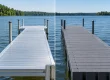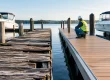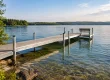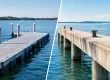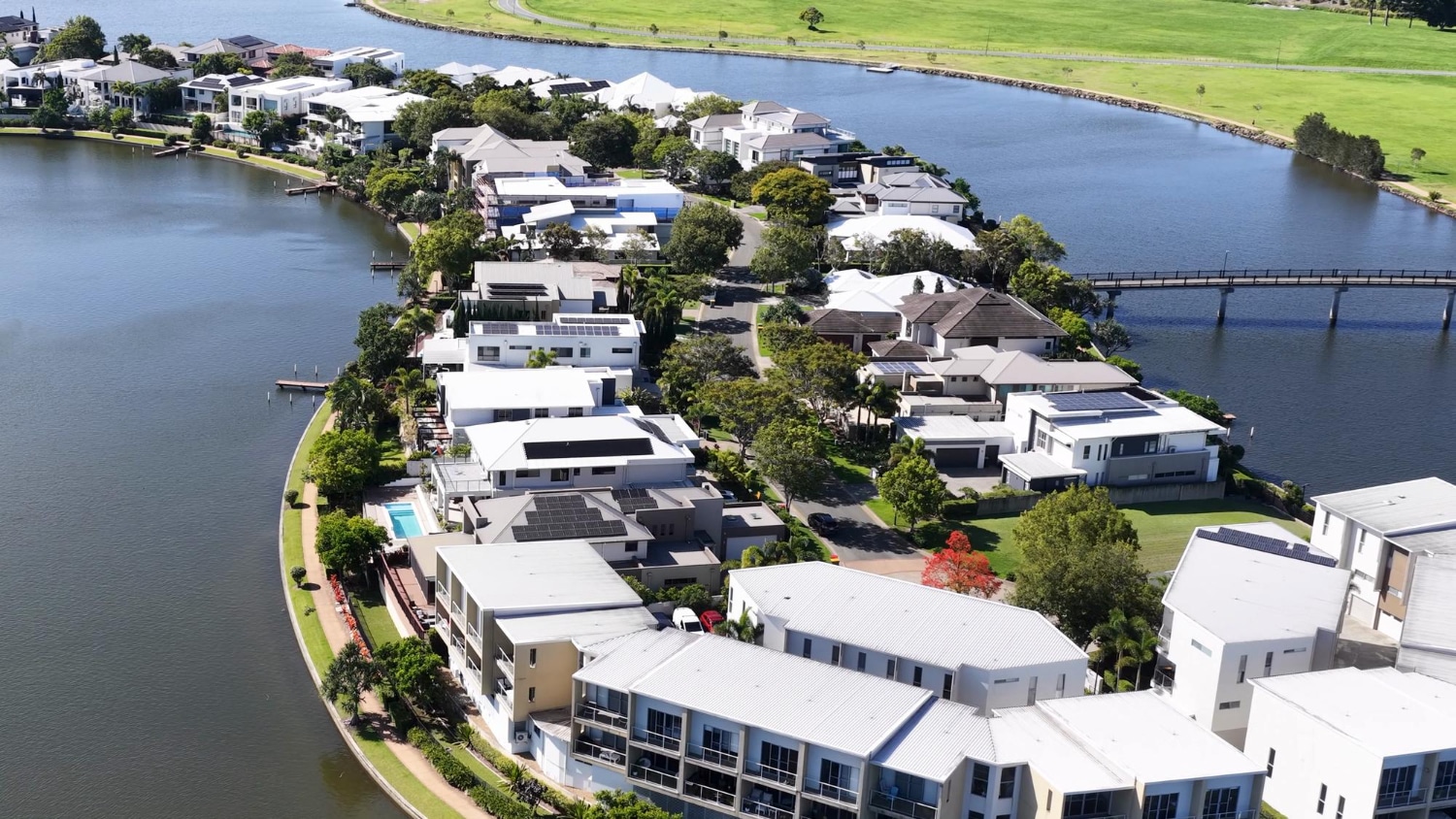
Designing a secure, high-utility swimming area on an exposed shoreline requires transitioning from a volatile open-water layout to an engineered, wave-attenuating enclosure. Implementing a stable swim zone for open-water residential properties relies on a modular floating dock infrastructure arranged in a perimeter configuration to create a physical barrier against boat wake, currents, and drift debris. This layout provides an immediate, highly stable transition platform at water level, resolving the safety hazards of slick, steep stairs or loose ladders attached to fixed structures. By deploying heavy-duty, slip-resistant polyethylene modules, property managers can deliver an elite, multi-generational guest experience that minimizes liability management while ensuring asset longevity.
The Physics of the Waterfront: Managing Site Conditions
Open-water residential shorelines face continuous hydrodynamic forces, including multi-directional boat wakes, localized thermal currents, wind-driven fetch, and seasonal water level variances. On an open deep-water lake or high-traffic river channel, traditional fixed timber or steel-piling docks offer minimal protection for swimmers; as waves strike their rigid vertical surfaces, the energy reflects back into the swim area, creating chaotic, choppy, and dangerous surface conditions.
In contrast, an engineered floating system adapts dynamically to changing water surfaces. By riding wave crests and troughs fluidly, a modular polyethylene perimeter acts as a localized wake-attenuation barrier. It absorbs and dissipates the kinetic energy of passing boat wakes before that energy can agitate the water inside the designated swimming area. This hydrodynamic buffering turns an otherwise high-exposure splash zone into a calm, controlled environment.
Primary Risk and Operational Challenges
Wave Agitation and Swimmer Exhaustion
Unprotected open water subjects swimmers to sudden, unexpected wake impacts from passing watercraft. Constant balancing against rolling waves accelerates physical fatigue, increasing the risk of immersion injuries, particularly for younger guests or older family members.
Subsurface Hazards and Foot Injury
Traditional waterfront entry points often feature jagged rock rip-rap, slippery mud, or sharp marine growth. Forcing guests to wade through un-engineered shorelines creates immediate liability vectors regarding lacerations, falls, and contact with local aquatic life.
Structural Disconnection and Separation
Configuring swim platforms with standard light-duty plastics or independent swim buoys introduces structural risk. Under heavy fetch or high-velocity currents, inadequate connection points can fail, causing components to break loose and drift into navigation channels, presenting a major asset-management hurdle.
Engineering and Design Evaluation Criteria
When creating a premier swimming asset for a luxury lakefront estate or multi-family coastal development, material selection dictates long-term performance. The perimeter infrastructure must feature exceptional impact resistance to absorb collisions from loose watercraft or heavy debris without cracking. Property managers should prioritize heavy-duty, UV-stabilized linear low-density polyethylene (LLDPE) systems with a hollow, rotationally molded chamber design. This non-porous material remains completely saltwater-impermeable and chemical-resistant, eliminating the risk of rot, splinters, or rust while providing structural flexibility under heavy torque.
The anchoring system must deliver exceptional depth adaptability without relying on rigid underwater grout or permanent, unyielding lakebed fixtures. Heavy-wall internal piling sleeves or flexible, self-tensioning bottom-anchor cables allow the entire swim zone perimeter to track vertical water changes seamlessly. This modular scalability ensures that if the property needs change, the swim zone footprint can be easily expanded to include integrated benches, slides, or watercraft slips without a complete structural overhaul.
Best Practices for Site Integration and Longevity
Successful execution depends on a meticulous pre-installation site assessment. Marine technicians must evaluate the prevailing wind directions and historical boat traffic patterns to position the swim enclosure on the most protected side of the property. The primary entry platform must connect securely to the shore or an existing dock via heavy-duty, dual-component flexible hinges that allow independent pitch and roll.
To maximize safety and structural life, the deep-water sections of the swim zone should be tensioned using heavy-duty rubber couplers that distribute lateral wave forces evenly across the entire modular matrix. This engineering design prevents localized stress concentrations that could strip fasteners. For properties on deep Texas reservoirs prone to severe weather or extreme winter drawdowns, the connection system should feature quick-release pins, allowing estate managers to easily adjust or temporarily relocate sections of the asset to protect it from extreme conditions.
Site Assessment Planning Checklist
- [ ] Prevailing Wake Profiles: Document the frequency, direction, and maximum height of boat wakes from nearby boating channels.
- [ ] Fetch Distance Evaluation: Calculate the maximum distance of open water facing the swim zone to estimate potential wind-driven wave heights.
- [ ] Water Depth Mapping: Verify that the designated diving or jump zones maintain a minimum, consistent depth of nine feet across all seasonal water fluctuations.
- [ ] Shoreline Transition Topography: Assess whether the transition from land to water requires a self-leveling gangway or an articulated shore ramp.
- [ ] Substrate Composition: Identify if the lakebed is mud, packed sand, gravel, or solid rock to choose the right anchoring hardware.
- [ ] Local Regulatory Compliance: Verify swim zone boundary rules with local river authorities, the U.S. Army Corps of Engineers, or homeowner associations.
- [ ] Undercurrent and Drift Analysis: Measure localized current velocities during peak water releases or tidal shifts.
- [ ] Perimeter Footage Requirements: Map out the exact linear footprint needed to comfortably accommodate the estate’s maximum guest capacity.
- [ ] Peripheral Component Integration: Identify exact mounting spots for swim ladders, lifeguard chairs, safety railings, or kayak launching cutouts.
Frequently Asked Questions
How does a floating swim zone dock improve safety compared to an open beach?
A floating swim zone creates an immediate, highly stable perimeter that breaks up incoming boat wake while providing swimmers with a reliable, slip-resistant platform to hold onto or rest on anywhere within the enclosure.
Can the modular swim platform handle fluctuating water levels on a deep-water lake?
Yes. Because the entire system utilizes floating dock infrastructure, it rises and falls automatically with water level changes, keeping a consistent distance from the deck to the water surface year-round.
Is the slip-resistant texture safe for bare feet and young children?
Premium rotationally molded polyethylene systems feature a micro-textured, slip-resistant surface that remains comfortable for bare feet, stays cool in direct summer sun, and completely eliminates the risk of splinters or exposed screws.
What anchoring is recommended for deep-water lakes with soft mud bottoms?
For soft substrates, a combination of heavy-weight deadman anchors paired with self-adjusting elastic mooring lines provides excellent lateral resistance while allowing the structure to flex naturally with wave movements.
How do you keep debris and seaweed out of the enclosed swimming area?
Property managers can attach heavy-duty, weighted marine skirts or mesh barriers directly to the underside of the floating perimeter modules to block floating debris, seaweed, and surface currents.
Enhancing Guest Experiences with Consulting Engineering Expertise
Upgrading an open-water residential property with an engineered swimming enclosure requires balancing luxury aesthetics with strict mechanical durability. Establishing a dedicated swim zone protects your guests from open-water hazards while adding long-term value to your waterfront estate.
As a leading planning, engineering, and configuration partner for premium residential, commercial, and coastal developments, EZ Dock Texas provides custom site evaluations and rugged floating layouts built to handle dynamic aquatic environments. Our professional team ensures your waterfront assets deliver maximum safety, durability, and operational peace of mind. To review our recent open-water installations and connect with regional specialists, visit our community page on Facebook.