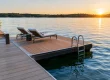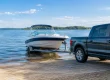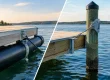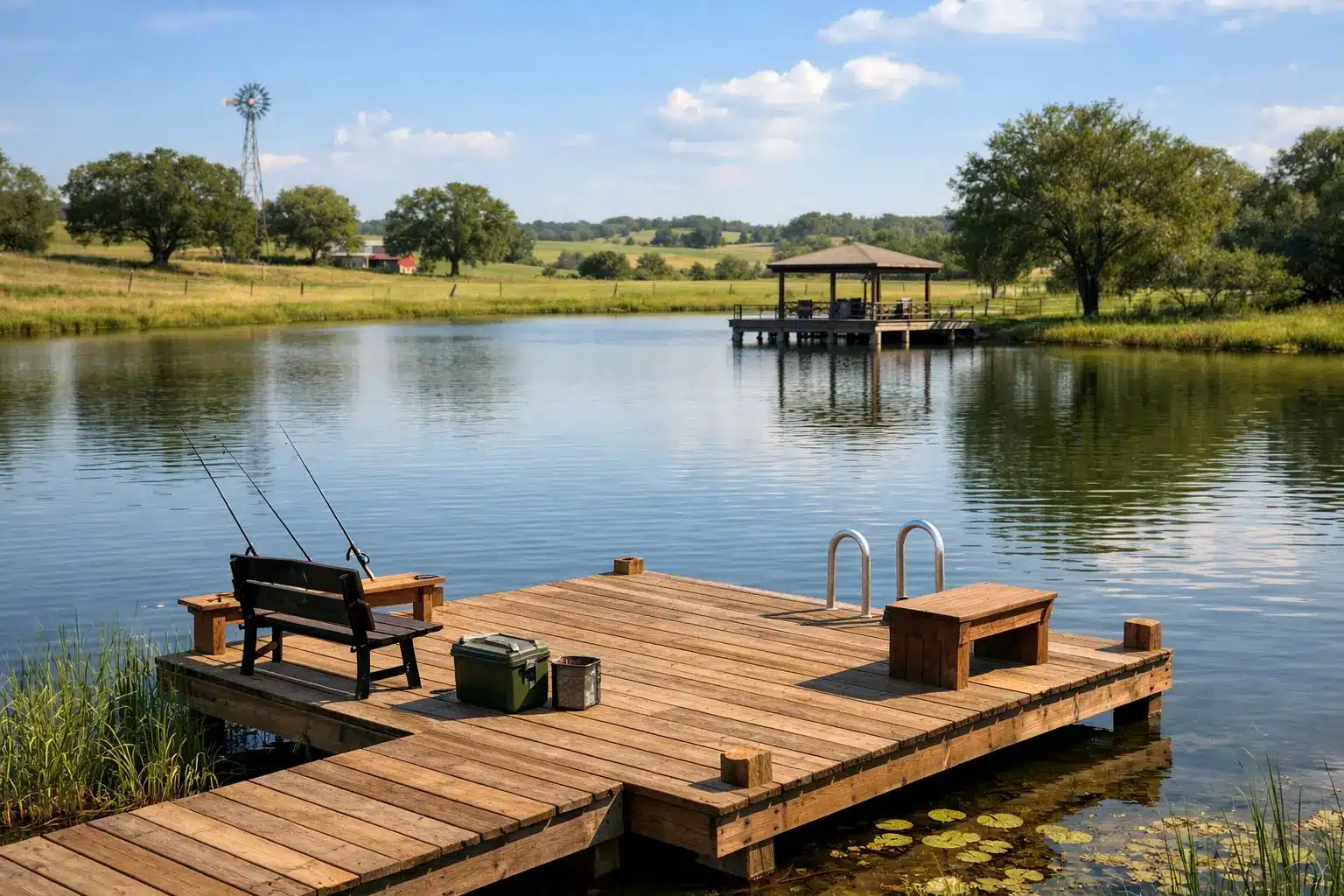
A fishing pond dock has a hard job. It needs to give anglers solid footing at sunrise, stay useful when the waterline moves, handle muddy boots and tackle carts, and hold up through Texas heat, storms, and long stretches of use. The best Texas fishing pond docks are not defined by looks alone. They are designed around the pond, the people using it, and the access challenges the property will face over time.
For a private ranch pond, that may mean a simple platform with room for a few chairs. For a neighborhood, camp, lodge, or public park, it may require accessible entry, railings, wider walkways, and an anchoring plan built for frequent use. A modular floating dock system can make those decisions more practical because it adjusts as needs change.
What Makes a Fishing Pond Dock Work Well?
The right dock starts with the fishing experience. Anglers need enough space to cast without crowding one another, set down a tackle box, net a fish, and move safely around rods. A narrow, unstable dock can turn a relaxing afternoon into a balancing act, especially for children, older adults, and guests who do not spend much time on the water.
A well-planned layout creates dedicated fishing space while preserving a clear route from shore to the platform. At many ponds, a walkway leading to a wider T-end, L-end, or square platform is more useful than one long, narrow straight dock. That wider end gives several anglers room to spread out and fish different directions without crossing lines.
The surface matters just as much as the footprint. A low-maintenance, slip-resistant floating surface helps provide reliable traction around water, bait, and wet gear. It should be comfortable underfoot, easy to clean, and free of splinters, loose boards, and frequent staining or sealing requirements. That is one reason homeowners and facilities managers often move away from traditional wood construction when planning a long-term pond improvement.
Floating Docks Handle Changing Pond Levels
Water levels in Texas ponds can change quickly. A pond may drop during a dry spell, rise after heavy rain, or vary seasonally based on runoff, irrigation needs, or watershed conditions. A fixed dock can become too high above the water, partially submerged, or difficult to reach when those conditions shift.
A floating dock rises and falls with the water. That keeps the deck at a more consistent height for fishing, launching a kayak, or stepping into a small boat. The system still needs a sound anchoring approach, but the dock itself is designed to adapt rather than fight the water level.
On a small, shallow pond, anchoring might involve pipe brackets or other methods suited to the bottom conditions and expected water movement. Larger private lakes and more exposed sites may call for cable, pile, or deadweight anchoring strategies. There is no universal answer. The best approach depends on depth, bottom composition, seasonal fluctuation, wind exposure, shoreline slope, and how far the dock extends from shore.
Choosing the Best Texas Fishing Pond Docks by Use
A dock that works beautifully at a family pond may not be the right answer for a public fishing area. Start by identifying who will use the dock and what they need to do there.
Private Ponds, Ranches, and Lake Homes
For a residential property, the goal is often a comfortable place to fish, relax, and enjoy the view. A compact floating platform can be enough for a small stock pond, particularly if only one or two people fish at a time. Properties that host family gatherings may benefit from a larger platform, a bench area, or a layout that allows fishing on multiple sides.
Consider how you reach the dock from shore. A gangway can create a more stable, intentional connection than stepping down a steep bank or crossing a makeshift bridge. If the pond edge is soft or regularly muddy, improving the approach can be as valuable as improving the dock itself.
HOAs, Lodges, RV Parks, and Campgrounds
Shared-use properties need more room and more durable traffic planning. People arrive with coolers, folding chairs, children, and fishing gear. They may not know the property well, and they may use the dock at different times of day. A wider walkway, defined fishing platform, railings where appropriate, and clear space for passing all help make the area easier to manage.
For these settings, modular dock sections offer a major advantage. The system can begin as a fishing pier and later expand with a kayak launch, additional seating area, or designated boat access. That flexibility helps owners phase a project around budget and demand instead of rebuilding the entire waterfront when needs change.
Parks and Public Fishing Access
Public docks need to account for durability, accessibility, supervision, and high-volume use. A well-designed public fishing platform should make room for mobility devices, anglers using carts, and people who simply need more secure footing. Railings, edge protection, boarding transitions, and fishing-friendly deck heights should be considered early in the design process.
Accessibility is not a one-size-fits-all feature. The shoreline grade, gangway length, water-level range, and local project requirements all affect what is feasible. A custom consultation helps agencies, schools, parks departments, and procurement teams develop a layout that supports public use without overlooking site conditions.
Plan the Layout Before Choosing Accessories
Accessories can improve a fishing dock, but they should support the layout rather than compensate for a poor one. Start with the overall footprint, the route from shore, and the number of users expected at one time. Then consider additions that make the dock safer and more functional.
Railings can provide reassurance along walkways or selected edges, especially where families, older anglers, or public users are involved. They should be placed thoughtfully so they do not interfere with casting. Lighting can make early-morning and evening use safer, but it should be positioned to illuminate walking surfaces without shining harshly across the water or into nearby homes.
A dock box keeps life jackets, landing nets, cleaning supplies, and basic gear organized and off the deck. Ladders may make sense for swimming ponds or multipurpose waterfronts, although a fishing-only dock may not need one. Kayak and canoe launches are worth considering when the pond is used for quiet paddling as well as fishing.
The best addition is the one that matches actual use. A long list of accessories can add cost and clutter. A purposeful layout stays easier to use, maintain, and supervise.
Why Material Choice Affects Long-Term Value
Wood docks can feel familiar, but they demand regular attention in the South Central climate. Boards may weather, split, warp, retain heat, or require staining and sealing. Fasteners can loosen, and repairs often become more frequent as the structure ages. Those costs and chores should be part of the decision, not an afterthought.
Modular floating dock systems made from durable, American-made materials offer a different ownership experience. They are designed for low maintenance, resist the issues associated with exposed wood, and can be reconfigured or expanded as needs evolve. Individual sections can also be addressed without tearing out an entire dock structure.
That does not mean every pond needs the largest possible dock. A modest platform can be the better investment when the pond is small, access is limited, or fishing is occasional. The key is choosing a system that fits current use while leaving room for sensible change later.
Work From the Shoreline Out
The most successful dock projects begin with a site review, not a catalog page. Measure water depth near shore and at the proposed dock location. Watch how the waterline changes across seasons. Note the slope, soil conditions, prevailing wind, vehicle access for installation, and any trees or utilities that affect the route to the pond.
Also check whether local, neighborhood, utility district, or land-management requirements apply. Private ponds often have fewer layers of approval than public water projects, but property rules and permitting expectations can still affect the final design.
EZ Dock Texas has designed and installed waterfront systems since 2000, helping property owners and public entities turn real site constraints into functional dock plans. A customized design consultation can help match the dock layout, gangway, anchoring, railings, and accessories to the way your pond will actually be used.
A fishing pond should invite people to stay awhile, not make them watch their footing or worry about the next water-level change. Build around the shoreline you have, the anglers you serve, and the years of use you expect from the investment.