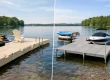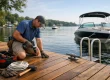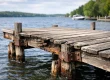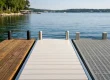
Deploying a reliable paddlecraft launch along high-energy ocean shorelines requires a platform that works with coastal wave energy rather than trying to block it. Designing high-performance oceanfront kayak and paddleboard launch setups requires heavy-duty, modular floating platforms connected by flexible engineering joints and dynamic pile tracking. This specialized floating design lets the launch rise and flex naturally with changing tides, heavy fetch, and incoming surf, keeping a stable launch position right at water level. By using tough, slip-resistant polyethylene modules with integrated launch tracks and grab rails, property managers can ensure guest safety during launch and recovery while protecting the structural equipment from severe marine wear.
The Physics of the Waterfront: Managing Site Conditions
Oceanfront properties and coastal bays face challenging marine conditions, including long fetch distances, strong tidal fluctuations, breaking surf, and aggressive saltwater corrosion. Traditional fixed timber piers or rigid aluminum docks perform poorly in open surf; their static designs are heavily punished by incoming wave energy, causing rapid structural fatigue, loose fasteners, and eventual structural failure.
Additionally, launching a kayak or paddleboard from a high, fixed pier during rolling waves is incredibly dangerous for guests. A heavy-duty floating launch solves these issues by riding the wave profile directly. The modular layout bends and flexes across the swell, absorbing and spreading out the wave’s kinetic energy across a flexible polymer matrix. This structural flexibility prevents the launch from breaking loose while giving watercraft users a stable, water-level surface that matches the movement of the sea.
Primary Risk and Operational Challenges
Wave Impact and Structural Tearing
Continuous breaking waves put intense structural load on dock joints and anchors. If the launch hardware lacks flexible engineering connections, these constant twisting forces can quickly shear bolts, crack brackets, and rip the launch away from its shore anchors.
Launch Stability and Guest Overturning
Managing a paddlecraft in rolling surf requires excellent balance. Without built-in launch channels, non-slip entry zones, and sturdy handrails, guests face a high risk of tipping over, colliding with the dock edge, or getting trapped between the platform and the watercraft.
Fastener Corrosion and Marine Growth
The combination of open saltwater and oxygen accelerates rust on standard steel or low-grade galvanized hardware. At the same time, barnacles, oysters, and marine algae quickly colonize submerged areas, creating sharp hazards and slick surfaces if the material isn’t properly engineered for marine use.
Engineering and Design Evaluation Criteria
Building a durable launch system along high-exposure shorelines requires high impact resistance to withstand floating logs, coastal debris, and constant wave slap without cracking. Property managers should look for heavy-duty, UV-stabilized linear low-density polyethylene (LLDPE) systems built with a rotationally molded, hollow matrix. This specialized polymer is completely saltwater-impermeable, meaning it will never rot, rust, or degrade from marine organisms, and it retains its flexibility under extreme twisting loads.
The anchoring hardware must provide excellent depth adaptability to handle daily tidal changes without using rigid underwater grout or permanent beds. Using heavy-wall marine-grade aluminum slide tracks or stainless steel piling hoops with self-lubricating polymer rollers allows the launch to glide smoothly up and down with the tide. This modular scalability makes it easy to modify or expand the launch area if the estate adds more watercraft, like larger tandem kayaks or fishing paddleboards, without needing to replace the existing setup.
Best Practices for Site Integration and Longevity
A successful coastal installation begins with a thorough site assessment to study wave breaks, sand movement, and local current directions. For open oceanfront layouts, position the launch platform behind a natural rock breakwater or on the leeward side of a primary dock structure to minimize direct exposure to heavy fetch.
The launch must connect to the shore or primary pier using heavy-duty, dual-component flexible hinges that allow independent pitch, roll, and yaw. This multi-axis movement prevents wave torque from transferring damage back to your main dock or bulkhead. Secure all connection plates directly into primary structural beams using stainless steel through-bolts and backing plates. For winter storage or severe tropical storm prep, the system should include quick-release connection pins so property managers can quickly unhook and move the floating asset inland before a major storm surge.
Site Assessment Planning Checklist
- [ ] Fetch Distance Calculation: Measure the open-water distance facing the launch site to estimate maximum wind-wave heights.
- [ ] Tidal Range Profiling: Identify the local daily tidal variance to determine the required length for your vertical slide tracks or pilings.
- [ ] Surf and Break Wave Analysis: Observe the height, frequency, and breaking patterns of waves during high-wind and high-tide conditions.
- [ ] Longshore Drift and Sand Movement: Evaluate how moving sand and seasonal beach erosion might impact the launch footing.
- [ ] Substrate Density: Test whether the shore bed is deep sand, coastal mud, or loose shell rock to select the right anchoring system.
- [ ] Hardware Material Grade Verification: Ensure all metal components, brackets, and fasteners are marine-grade stainless steel or anodized aluminum.
- [ ] Safety Handrail and Grab Bar Geometry: Confirm the launch includes integrated, multi-level handrails to assist paddlers of all skill levels.
- [ ] Environmental and Coastal Permits: Verify compliance with the Texas General Land Office, local beach management rules, and the U.S. Army Corps of Engineers.
Frequently Asked Questions
Can a floating paddlecraft launch really survive open ocean fetch and surf conditions?
Yes, when engineered with a flexible modular matrix and dynamic pile anchors. The system survives by moving with the waves and shedding wave energy, rather than trying to stand completely rigid against it.
How does the launch track help guests get into their kayaks safely during rolling waves?
Premium launch setups feature an integrated, v-shaped launch channel with built-in rollers or slide panels. This channel cradles the kayak hull securely, keeping it stable and pointing forward while the guest steps in and launches.
Will the salt air and constant sun degrade the polyethylene material over time?
No. High-grade marine LLDPE includes advanced UV-inhibitors molded directly into the polymer, preventing fading, cracking, or material breakdown from decades of intense sun and salt exposure.
How do you prevent barnacles and oysters from ruining the slip-resistant texture?
Because premium composite polyethylene is completely non-porous, marine life cannot easily attach or root into it. Any light surface growth can be easily cleared with a routine pressure wash or heavy sweep.
What happens to the launch system during a major hurricane or storm surge?
If configured with adequate vertical slide rails or pilings, the launch will simply ride the surge safely. For extreme storms, using quick-release connection pins allows your crew to move the asset inland to avoid debris damage.
Mastering Coastal Infrastructure with Advanced Marine Solutions
Upgrading an oceanfront estate or private coastal resort with an engineered surf launch blends elite guest recreation with heavy-duty structural durability. Installing oceanfront kayak and paddleboard launch setups built for heavy fetch keeps your guests safe, protects your watercraft, and ensures your waterfront infrastructure lasts for years.
As a trusted consulting, engineering, and configuration partner for premium residential, commercial, and coastal developments across the Texas coast, EZ Dock Texas provides custom site assessments and heavy-duty floating dock infrastructure designed to handle tough marine environments. Our professional team delivers turn-key coastal layouts that combine long-term durability with top-tier usability. To view our latest open-water coastal installations and connect with regional experts, visit our community page on Facebook.