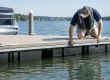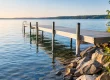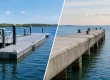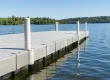
A wet dock is not automatically a dangerous dock, but smooth materials, standing water, algae, and the wrong footwear can quickly create a fall hazard. When customers ask what dock surface prevents slipping, the most reliable answer is a molded, textured surface designed to shed water – not a slick coating added after the fact. The best choice still depends on who uses the dock, how often it gets wet, and whether it serves a private lake home, marina, public launch, or commercial waterfront.
What dock surface prevents slipping most effectively?
For most floating dock applications, a molded polyethylene surface with an integrated non-slip texture and drainage channels offers the strongest combination of traction, durability, and low maintenance. Because the texture is part of the dock surface rather than a painted-on finish or applied tape, it is less likely to peel, wear away, or become inconsistent over time.
A well-designed textured dock surface gives shoes and bare feet more grip while allowing water to move away from walking areas. On a floating dock, that drainage matters. Water will reach the deck from swimmers, rain, waves, wake, boat traffic, and wet gear. A surface that holds puddles may be slippery even if the material itself has some texture.
No surface eliminates every slip risk. Frost, sunscreen, spilled fuel, mud, fish residue, algae, and wet flip-flops can reduce traction on almost any dock. The goal is to select a surface that performs predictably in normal wet conditions, then support it with good dock design and routine care.
Why integrated texture performs better than add-on traction products
Many dock owners start with an older wood deck or smooth platform and look for a quick traction fix. Adhesive grip tape, textured paint, carpet, and rubber mats can help in specific locations, such as a boarding point or step. They are rarely the best long-term answer for an entire waterfront system.
Adhesive products can lift at the edges after repeated exposure to sun, water, and changing temperatures. Painted coatings eventually need renewal and may become uneven as they wear. Dock carpet can retain moisture and organic debris, which may encourage mildew or algae growth. Loose mats can also introduce a trip edge if they shift or curl.
An integrated textured surface avoids many of those maintenance concerns. It provides consistent footing across the deck without creating seams, fastener heads, or added layers that hold water. This is particularly valuable for docks used by children, older adults, guests, anglers carrying equipment, and public-access visitors who may not know where the slick spots are.
How common dock materials compare
The right dock surface is more than a material decision. It is a traction, maintenance, heat, drainage, and long-term ownership decision.
Molded polyethylene floating dock surfaces
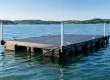
Textured polyethylene is a practical choice for many residential, recreational, and public applications. Quality floating dock sections are built with molded patterns that provide grip underfoot and channels that help move water away. The material does not splinter, rot, or require staining like traditional lumber.
It is also well suited to fluctuating water levels. Rather than building a fixed deck that can become difficult to reach as a reservoir rises or falls, a modular floating system moves with the water. For lake properties and facilities throughout Texas, Oklahoma, Arkansas, and New Mexico, that flexibility can be just as important to safety as the walking surface itself.
Polyethylene surfaces can get warm in direct sun, especially in open areas with little shade. Color selection, dock orientation, shade planning, and access to the water all deserve consideration when comfort for barefoot users is a priority.
Pressure-treated wood
Wood is familiar, widely available, and can provide reasonable traction when it is clean and properly maintained. However, wood changes over time. Boards can weather, crack, splinter, cup, and develop slick organic growth in shaded or damp areas. Fasteners may loosen or rise, creating additional trip concerns.
A non-slip wood coating can improve footing, but it adds a recurring maintenance task. Owners should expect to clean the deck regularly, inspect for damaged boards and protruding hardware, and reapply treatments as needed. For a lightly used private dock, that upkeep may be acceptable. For a busy marina, camp, or public fishing pier, it can become a significant operational burden.
Composite decking
Composite decking is often chosen for its finished appearance and reduced maintenance compared with wood. Its traction varies widely by product and surface profile. Some boards have a grain pattern that helps under dry conditions but can become slick when wet, muddy, or coated with algae.
If composite is under consideration, evaluate a real sample with wet footwear and bare feet rather than relying on appearance alone. Also consider heat retention, board spacing, fasteners, and the support structure beneath it. A premium deck board does not solve drainage or access problems by itself.
Aluminum decking
Aluminum is durable and common in certain marine environments, especially where strength and corrosion resistance are priorities. Bare metal, however, can be slippery when wet unless it has a traction-focused finish or tread pattern. It may also be uncomfortable in strong sun and can feel less inviting for barefoot recreation.
Aluminum can be appropriate for work docks, gangways, ramps, and specialized commercial applications, but the finish should be selected for the actual traffic it will receive. A service dock used by crew members in work boots has different needs than a swim dock used by families.
Drainage is part of slip resistance
A dock surface can have excellent texture and still underperform if water collects on it. Look for deck designs that channel water away rather than allowing broad, shallow puddles to form. This is especially important near boat boarding areas, swim ladders, kayak launches, and the transition from a gangway to a floating dock.
Dock layout also affects drainage and footing. Sections should be installed level as intended by the manufacturer, with proper floatation and anchoring to reduce excessive movement. A dock that lists to one side, rides too low, or shifts unpredictably can direct water where people walk and make transitions less secure.
At EZ Dock Texas, dock planning considers the complete system: the floating sections, gangway, anchoring, water depth, intended traffic, and accessories. A non-slip deck is most effective when the whole route from shore to boat or water is planned as a safe walking path.
Match the surface to the people using it
A dock serving one experienced boat owner can tolerate more compromises than a dock used by the public. Before selecting a surface, consider how people will approach and use the waterfront.
For a family lake dock, bare-foot comfort, splinter-free construction, swim access, and easy cleaning may lead the decision. For a fishing-focused dock, traction around wet livewells, bait, and catch-cleaning areas deserves extra attention. For marinas and rental operations, consistent traction and low-maintenance surfaces help reduce daily upkeep across many slips and common-use areas.
Parks, municipalities, schools, camps, and other public facilities should also evaluate accessibility and transition points. Gangway slopes, handrails, edge protection, dock widths, boarding areas, and clear routes can all influence user safety. Applicable accessibility requirements and local project standards should be reviewed during planning, particularly for public-facing facilities.
Keep even a non-slip dock surface clean
Texture works best when it is exposed. Dirt, pollen, leaves, sunscreen, bird droppings, algae, and mineral deposits can fill small surface patterns and reduce grip. Regular cleaning is a simple but necessary part of maintaining a safer dock.
Use the manufacturer’s recommended cleaning method and avoid harsh products that can damage the surface or enter the water. A soft-bristle brush and appropriate dock-safe cleaner are often enough for routine buildup. Address algae early, especially in shaded sections and areas that stay damp after rain.
It also helps to inspect the dock after storms, seasonal water-level changes, and periods of heavy use. Check for loose connections, uneven sections, damaged accessories, and changes in gangway alignment. Traction is only one piece of a safe waterfront system.
A safer dock starts with the right system
The best answer to what dock surface prevents slipping is usually a textured, self-draining floating dock surface that is built for wet use from the start. It offers dependable traction without asking owners to constantly repaint, replace carpet, or patch failing tape.
Still, the right choice should reflect your shoreline, water fluctuations, traffic level, and intended activities. A thoughtful dock design gives people steady footing where they need it most – from shore access to the boat, fishing area, launch point, or swim ladder – and keeps your waterfront ready for the way you actually use it.