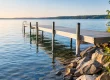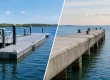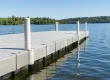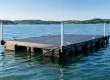
A waterfront can look inviting from shore and still be difficult, or impossible, for many people to use. A steep gangway, unstable transition, narrow route, or missing handhold can turn a fishing pier, marina slip, or kayak launch into a barrier. Knowing how to design accessible waterfronts means planning for the full journey: parking or arrival area, shoreline path, dock transition, and the activity at the water.
For homeowners, that may mean a safer place for grandparents and guests to fish. For parks, municipalities, resorts, and marinas, it means serving more visitors with a facility that is easier to manage over time. The strongest designs do not treat accessibility as an add-on. They build it into the layout, equipment selection, and installation plan from the start.
Start with the entire route, not just the dock
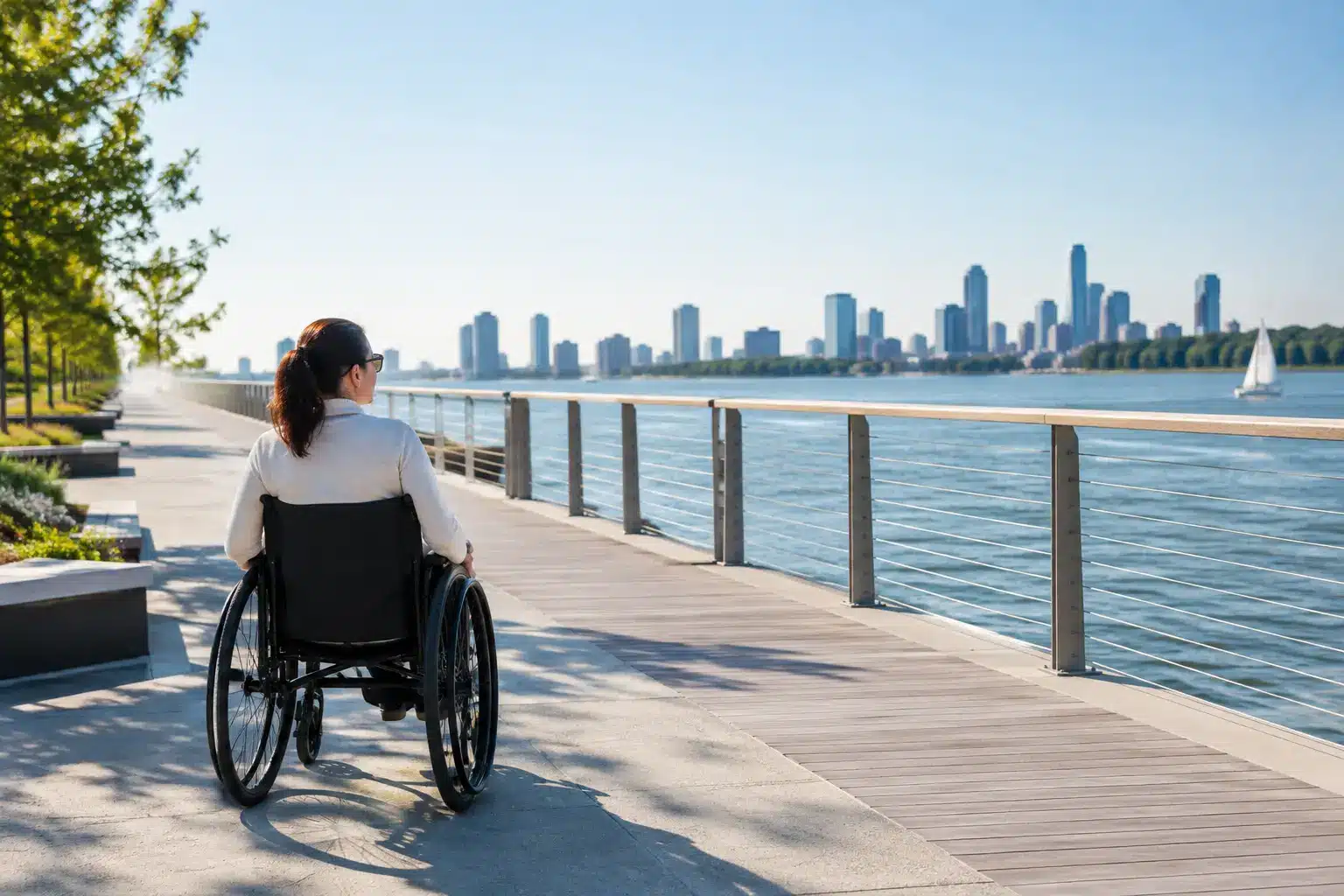
Accessible waterfront design begins on land. A stable floating dock cannot solve an approach that has loose gravel, cross slopes, abrupt grade changes, or no usable connection from parking and facilities. Map how a visitor reaches the water and identify every transfer point along the way.
Consider where guests arrive, whether they can travel on a firm and stable surface, and where they will pause or turn around. A route should be wide enough for the anticipated traffic and free of unnecessary obstacles such as dock boxes, hoses, carts, signage, and mooring lines. At public sites, the route also needs to align with applicable accessibility requirements, building codes, and local regulations. An experienced designer can help a project team distinguish between a good operational idea and a detail that may create a compliance issue.
The shoreline-to-dock connection deserves special attention. Fixed ramps can become too steep as lake levels change. Floating docks move with the water, so the gangway must be selected and positioned to manage expected elevation changes while maintaining a practical slope whenever conditions allow. On reservoirs and lakes with significant seasonal variation, this is often the central design challenge.
Design for changing water levels
Water does not stay still, particularly across Texas, Oklahoma, Arkansas, and New Mexico. Wind, wakes, drought, rainfall, drawdowns, and seasonal operations all affect a waterfront system. Accessibility that works only at one water elevation is not dependable accessibility.
A floating dock system can help by keeping the deck surface close to the same relationship with the water. That is useful for boarding boats, launching kayaks, fishing, and moving between connected dock sections. But the dock must be paired with the right gangway length, attachment method, and anchoring system. A longer gangway may provide a gentler slope through a broader range of water levels, though it requires more shoreline space and can increase project cost.
Anchoring also affects how secure the experience feels underfoot. The appropriate solution depends on water depth, bottom conditions, exposure to wind and waves, anticipated traffic, and whether the installation is seasonal or year-round. Cable, piling, deadweight, and other anchoring approaches each have a place. The right choice is the one that controls movement without preventing the dock from doing what it is designed to do: rise and fall safely with the water.
Choose surfaces and transitions people can trust
A visitor using a wheelchair, cane, walker, stroller, or mobility device needs predictable footing. So does a child carrying a fishing rod or a boater stepping aboard with wet shoes. Select dock surfaces with traction, manageable gaps, and a comfortable walking feel in wet conditions.
Transitions between land, gangway, dock, and boat are where many problems appear. Avoid sudden lips, uneven joints, loose plates, and layouts that force users to cross obstructions. Keep connectors flush and inspect them as part of routine maintenance. On a modular dock, a well-planned layout can reduce awkward transitions while preserving the flexibility to reconfigure the system later.
Color contrast can also improve usability. A contrasting edge near changes in level, steps, gates, or launch areas helps users identify boundaries. Lighting should support wayfinding without creating glare on the water. Low, well-positioned lighting is usually more useful than bright fixtures that make it harder to see the dock surface or approaching vessels.
Build in room to move and use the waterfront
A route may technically reach the dock but still fail in practice if there is no room to turn, pass, cast, load gear, or wait for others. Design widths and landing areas around actual activities, not minimum assumptions. A fishing platform needs space for people to move around rods and seating. A marina access pier may need room for dock carts, service staff, and guests. A kayak launch needs a clear approach and an area where users can prepare without blocking traffic.
Handrails, guardrails, gates, and edge protection should be placed deliberately. They can provide confidence and safety, especially along elevated approaches or high-use public docks, but poorly placed rails can narrow the usable path or interfere with transfers. The best arrangement depends on the facility, user mix, fall exposure, and applicable requirements.
For public destinations, include rest points where the route is long or physically demanding. Benches, shade, and clear waiting areas can make a waterfront more welcoming for older adults, families, and visitors who need extra time. These features also improve comfort during busy events and summer heat.
Create activity-specific access points
One general-purpose dock rarely serves every user equally well. An accessible waterfront is often better when it includes clearly defined areas for different activities.
Fishing platforms
Fishing piers and platforms should offer open rail sections or rail configurations that preserve sightlines and allow a person seated in a wheelchair to fish comfortably. Provide enough deck depth to turn and pass behind anglers. If rod holders, benches, bait stations, or cleaning areas are included, locate them so they support the experience rather than constrict the path.
Kayak and canoe launches
A conventional dock edge can be difficult for paddlers to use, especially people with limited balance or lower-body mobility. A dedicated launch with a low, stable entry area and supportive handholds can make getting in and out more controlled. The surrounding dock must still allow others to pass while a paddler transfers, adjusts equipment, or receives assistance.
Boat slips and boarding areas
At marinas and residential docks, accessible boarding depends on the boat as much as the dock. Consider freeboard, cleat placement, boarding gates, shore-power locations, and where a person can safely wait while a vessel is secured. For commercial operators, the boarding sequence should be tested with real staff and customers before the final layout is set.
Swimming and water access
Ladders alone do not meet every user’s needs. If swimming access is part of the project, consider whether a gradual entry, transfer-friendly feature, handholds, or a dedicated recovery area is appropriate. This is especially relevant for camps, resorts, community facilities, and public recreation areas.
Make safety features easy to find and operate
Safety equipment is most effective when it is visible, reachable, and not blocked by furniture or stored gear. Life rings, ladders, rescue poles, emergency signage, and lighting should be placed where staff and visitors can locate them quickly. Gates should be simple to operate, including for users with limited hand strength or dexterity.
Plan for operations as carefully as construction. Who will inspect connectors after storms? Who will clear algae, debris, and mud from the route? How will staff keep carts, rental equipment, and stored items from narrowing the dock? A durable, low-maintenance system reduces the workload, but every waterfront needs a practical inspection and housekeeping routine.
Use modular design to protect long-term value
Needs change. A private dock may later serve aging family members. A park may add adaptive paddling programs. A marina may reconfigure slips or expand guest services. Modular floating dock systems give owners the ability to add wider sections, accessible fishing areas, railings, launches, or connecting walkways without rebuilding the entire waterfront.
That flexibility is particularly valuable when budgets require a phased project. Build the primary accessible route and core activity area correctly first, then leave a logical path for future additions. Trying to force accessibility into a crowded dock years later is often more expensive and more limiting.
EZ Dock Texas helps owners and public agencies evaluate water conditions, intended uses, site constraints, and long-term plans before selecting a layout. That early planning helps create a waterfront that is functional on opening day and adaptable when needs change.
A well-designed accessible waterfront does more than meet a requirement. It gives more people a dependable way to fish, launch, board, work, and enjoy the water. Start with the route, plan for changing conditions, and choose components that can keep serving the property for years to come.