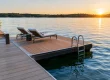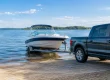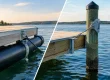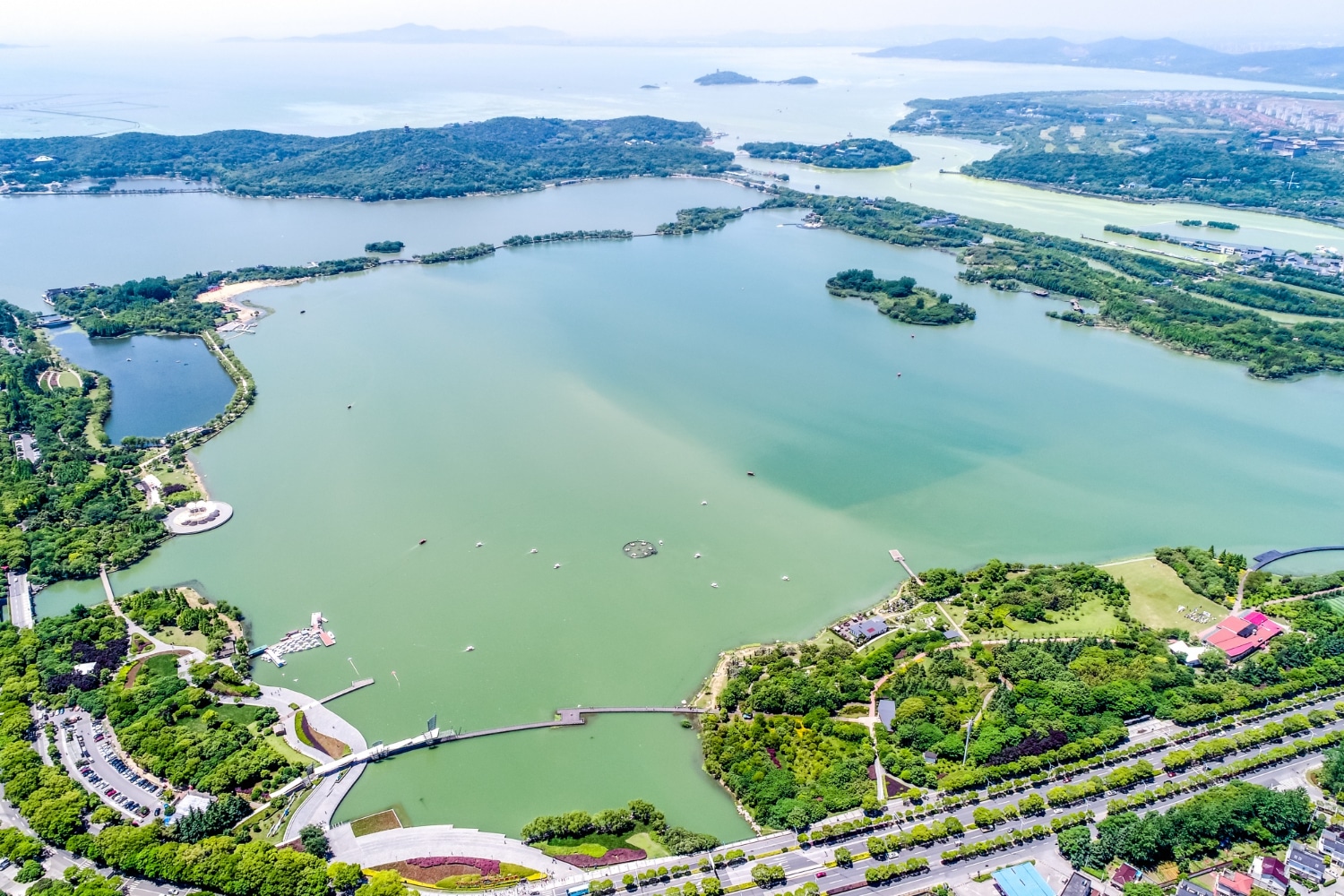
Waterfront recreation areas that adapt to changing water levels maintain safer public access, reduce maintenance problems, and improve long-term operational flexibility. Texas parks and marina operators increasingly prioritize adaptable infrastructure because fluctuating lake conditions directly affect accessibility, shoreline stability, recreation access, and maintenance planning.
Key Takeaways
- Water-level fluctuation impacts safety, access, and maintenance directly.
- Adaptable infrastructure improves long-term recreation usability significantly.
- Shoreline transitions often create the biggest operational challenges.
- Flexible layouts reduce costly reconstruction during changing conditions.
- Long-term planning improves resilience across varying lake environments.
Why This Matters
Texas lakes rarely stay at the same elevation year-round.
Drought, heavy rainfall, flood control operations, seasonal runoff, and long-term environmental conditions all affect shoreline access and recreation infrastructure. Some lakes fluctuate only moderately. Others experience dramatic seasonal changes that can quickly make fixed waterfront infrastructure difficult to use safely.
For parks departments, municipalities, marinas, and HOA waterfronts, changing water levels have become one of the biggest long-term planning challenges tied to recreation access.
The operational effects are significant.
Water fluctuation can impact:
- Dock accessibility
- Boat launch usability
- Kayak access
- Shoreline erosion
- ADA pathways
- Pedestrian safety
- Structural stress
- Maintenance schedules
Facilities designed without flexibility often struggle during both high-water and low-water conditions.
For example, fixed shoreline access points may become unusable during drought conditions because visitors can no longer safely reach the water. During high-water events, walkways and launch areas may flood or create unstable transitions.
Those problems usually increase maintenance burden quickly.
Many older waterfront systems were designed around assumptions that no longer match current environmental realities. Texas communities now face more unpredictable water conditions, heavier recreation demand, and higher public expectations around safety and accessibility.
That combination is forcing many operators to rethink how waterfront infrastructure gets planned.
Adaptable recreation design focuses on maintaining operational usability across changing conditions instead of optimizing only for a single water elevation.
That means planning for:
- Flexible shoreline transitions
- Floating access systems
- Adjustable circulation paths
- Erosion resilience
- Modular expansion
- Accessible launch conditions
- Long-term maintenance efficiency
The goal is operational continuity.
Facilities that adapt successfully to changing water levels usually experience:
- Fewer closures
- Better visitor experience
- Lower emergency repair costs
- Improved accessibility
- More predictable maintenance planning
This flexibility also matters economically.
Communities that depend on tourism and lake recreation cannot afford extended operational disruptions during seasonal water changes. Visitors expect reliable access even when conditions fluctuate.
Adaptable infrastructure helps protect both recreation access and long-term public investment.
Common Mistakes to Avoid
- Designing only for one fixed water elevation
- Ignoring drought conditions during planning
- Underestimating shoreline erosion exposure
- Creating steep or unstable shoreline transitions
- Failing to maintain ADA access during changing conditions
- Using rigid layouts that cannot expand or adjust
- Delaying shoreline stabilization work until damage escalates
Best Practices
Plan for Both High and Low Water Conditions
Strong waterfront planning evaluates how infrastructure performs across a range of lake elevations instead of only under ideal conditions.
Facilities should assess:
- Access usability
- Structural stress
- Visitor circulation
- Shoreline stability
- Launch safety
- Emergency access
under changing environmental conditions.
Improve Shoreline Transitions
Most operational problems occur where land access meets the water.
Facilities should prioritize:
- Stable transitions
- Gradual slopes
- Slip-resistant surfaces
- Erosion control
- Accessible pathways
to maintain safer public access throughout fluctuating conditions.
Use Flexible Recreation Layouts
Adaptable waterfront design often includes infrastructure that can:
- Shift with water movement
- Expand gradually
- Reconfigure circulation
- Support phased improvements
without requiring complete reconstruction.
Protect Shoreline Integrity
Changing water levels accelerate shoreline wear, especially in high-traffic recreation areas.
Strong shoreline management reduces:
- Erosion
- Sediment movement
- Access instability
- Maintenance burden
- Environmental damage
while improving long-term infrastructure performance.
Build Around Operational Reality
Facilities should evaluate how changing conditions affect:
- Staffing
- Inspections
- Maintenance access
- Safety response
- Visitor communication
- Seasonal closures
before finalizing infrastructure plans.
Maintenance & Operations Plan
Daily
- Inspect shoreline access conditions
- Remove debris from recreation areas
- Review changing water impacts on circulation
Weekly
- Inspect transitions between shoreline and docks
- Review erosion-prone areas
- Check signage and access visibility
Monthly
- Evaluate ADA accessibility conditions
- Inspect launch usability
- Review shoreline stabilization performance
Quarterly
- Conduct structural inspections
- Assess seasonal water-level trends
- Review maintenance workload changes
Annually
- Perform full shoreline assessment
- Update long-term resilience planning
- Review phased infrastructure priorities
Budget & Planning Notes
Water-level adaptability should be treated as a long-term operational investment rather than an optional design feature.
Facilities that fail to plan for changing water levels often experience:
- Repeated reconstruction costs
- Increased maintenance labor
- Access closures
- Shoreline damage
- Visitor frustration
- Higher liability exposure
Decision-makers should evaluate:
- Historical lake fluctuation patterns
- Shoreline stability
- Infrastructure flexibility
- Accessibility requirements
- Maintenance forecasting
- Tourism impact
- Environmental resilience
Phased improvement planning often helps communities adapt infrastructure gradually while maintaining public recreation access.
Safety & Liability Considerations
Changing water conditions create evolving safety risks throughout the year.
Facilities should monitor:
- Unstable shoreline conditions
- Flooded walkways
- Slippery transitions
- Erosion damage
- Emergency access limitations
- Accessibility disruptions
Public recreation areas should maintain:
- Clear signage
- Reliable lighting
- Safe shoreline transitions
- Routine inspections
- Documented maintenance procedures
- Visible emergency access routes
This content is informational only and not legal advice.
FAQ
Why are changing water levels becoming a bigger planning issue?
Texas lakes experience fluctuating environmental conditions that directly affect recreation access and infrastructure performance.
What creates the biggest operational challenge during water fluctuation?
Shoreline transitions often become unstable or inaccessible during significant elevation changes.
Why is adaptable infrastructure important?
Flexible systems maintain usability and reduce reconstruction costs during changing lake conditions.
How do changing water levels affect public safety?
Water fluctuation can create slipping hazards, unstable access points, and emergency access limitations.
Should waterfronts plan for drought conditions specifically?
Absolutely. Low-water conditions often expose major usability problems in older recreation systems.
How does shoreline erosion affect recreation infrastructure?
Erosion weakens access points, increases maintenance costs, and creates unstable visitor circulation areas.
Can adaptable planning reduce maintenance costs?
In many cases, yes. Flexible infrastructure often reduces emergency repair frequency and reconstruction needs.
Why is ADA accessibility difficult during fluctuating conditions?
Changing shoreline elevations can disrupt stable access routes if flexibility is not built into planning.
How often should shoreline conditions be inspected?
Busy recreation areas should receive routine inspections throughout seasonal water changes.
What should communities prioritize first?
Safe shoreline access, erosion control, accessibility, and operational continuity should come first.
Checklist
☐ Review historical water-level fluctuation patterns
☐ Assess shoreline erosion exposure
☐ Evaluate dock and launch adaptability
☐ Review ADA access stability
☐ Inspect shoreline transition safety
☐ Plan for drought and flood conditions
☐ Evaluate emergency access routes
☐ Review maintenance access limitations
☐ Improve erosion control measures
☐ Inspect recreation circulation patterns
☐ Forecast long-term shoreline changes
☐ Update resilience planning priorities
☐ Review structural flexibility needs
☐ Coordinate environmental shoreline assessments
☐ Plan phased adaptability improvements
As Texas lakes continue experiencing fluctuating environmental conditions, designing waterfront recreation areas that adapt to changing water levels is becoming increasingly important for long-term safety, accessibility, maintenance planning, and operational reliability. Organizations evaluating shoreline improvements, adaptable recreation access, or future waterfront planning strategies can connect with EZ Dock Texas or follow regional waterfront planning discussions and project insights on Facebook.