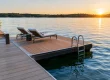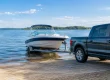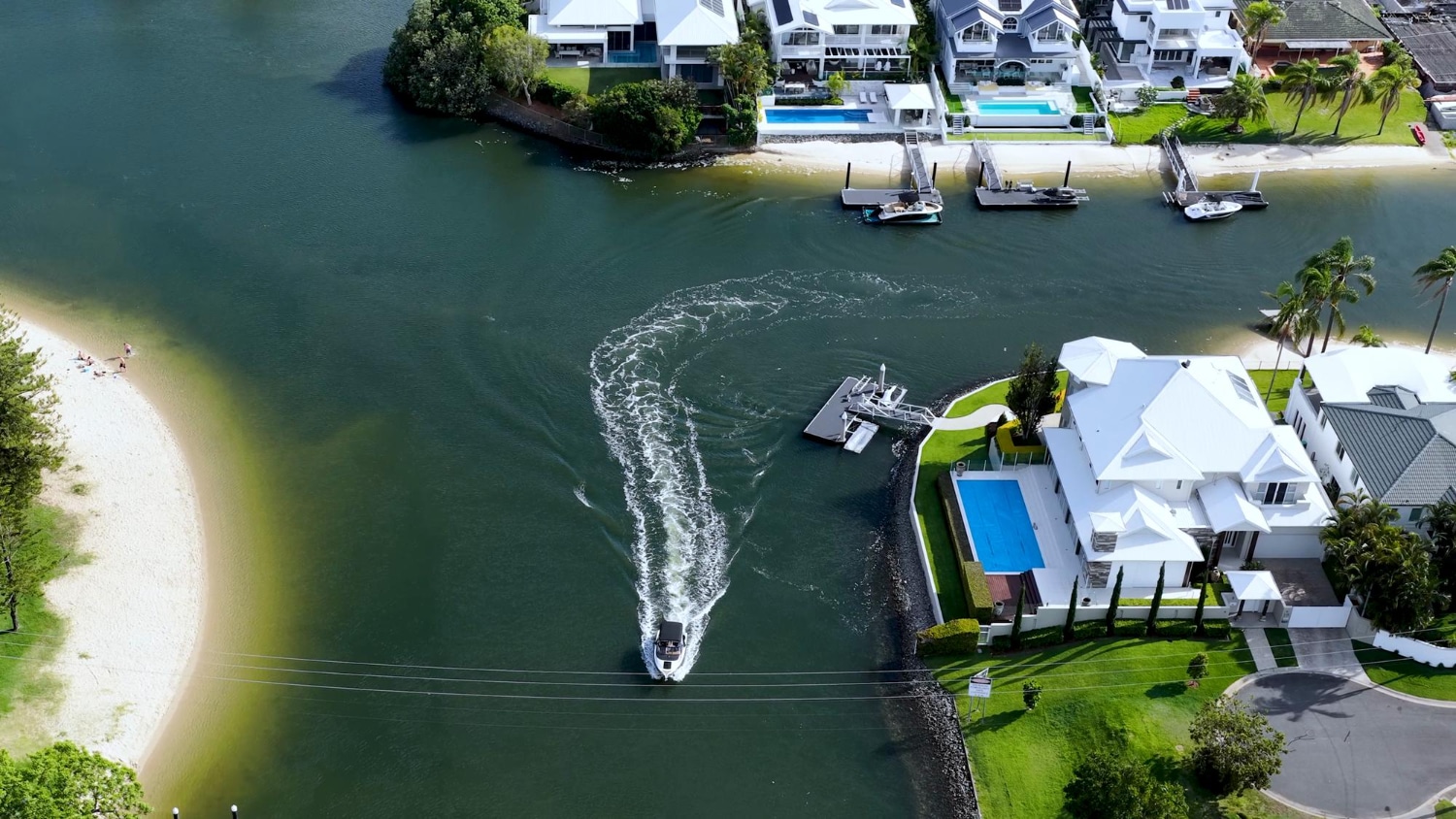
Securing high-value marine infrastructure against tropical cyclones requires moving away from rigid constraints toward dynamic energy dissipation. Effective severe weather preparation for a luxury estate involves deploying self-regulating floating dock systems paired with advanced vertical tracking or groutless anchoring technology. These configurations allow the entire assembly to rise seamlessly with extreme storm surges rather than fighting the immense upward hydro-dynamic force that routinely shears fixed piers from their foundations. By addressing structural flexibility and load distribution before landfall, property managers can ensure asset longevity and mitigate catastrophic liabilities during severe weather events.
The Physics of the Waterfront: Managing Site Conditions
Hurricanes subject the Texas coast and regional inland waterways to a violent combination of multi-directional wind shear, torrential runoff, and rapid tidal fluctuation. Traditional fixed timber and steel pile docks suffer immense structural punishment during these events; as waves strike the static vertical surfaces, the energy cannot be deflected, resulting in catastrophic structural fatigue or total lifting failure.
Conversely, engineered floating infrastructure rides the wave profile directly, neutralizing the upward lifting forces of a massive storm surge. The core challenge then shifts from keeping the deck above water to managing the extreme lateral kinetic energy produced by heavy fetch and crashing debris. On high-exposure shorelines, accommodating a twelve-to-fifteen-foot surge means anchoring geometry must account for both extreme vertical travel and intense horizontal wind loads acting simultaneously on the asset.
Primary Risk and Operational Challenges
Storm Surge Over-Topping and Piling Escape
When a storm surge exceeds the height of supporting vertical pilings, floating structures can float completely off the tops of their guides. Once detached, the unanchored dock becomes a destructive, multi-ton projectile driven by wind and surf into the estate’s seawalls, watercraft, or neighboring properties, presenting an immense liability management issue.
Debris Impact and Hull Puncture
High-energy storm systems turn loose watercraft, runaway timbers, and uprooted trees into lethal hazards. Standard marine construction materials, such as thin-walled plastics or brittle fiberglass composites, easily crack or puncture under these localized impacts, compromising the buoyancy of individual dock segments and leading to localized capsizing or structural failure.
Mooring Line Snapping and Cleat Tear-Out
Many waterfront estate managers rely on standard nylon lines and surface cleats to secure peripheral assets like jet ski ports or floating launch platforms. Under hurricane-force wind loads, these concentrated connection points experience rapid shear failure, tearing cleats directly out of deck framing and setting loose secondary assets to be destroyed in open water.
Engineering and Design Evaluation Criteria
Mitigating hurricane-force destruction demands a meticulous review of material science and anchoring integrity. Property managers must prioritize heavy-duty, rotationally molded polyethylene systems that feature a flexible, modular matrix. This material naturally flexes under extreme torque rather than snapping like wood or buckling like aluminum. The saltwater-impermeable nature of high-density polyethylene ensures that even when submerged or battered by debris, the structural core remains uncompromised by rot, rust, or chemical breakdown.
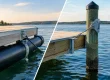
Furthermore, the implementation of heavy-wall aluminum or stainless steel slide brackets coupled with internal piling rollers provides the necessary depth adaptability to survive extreme gulf coast waterfront surges. These systems must be anchored using groutless, high-tensile pile setups driven deep into the ocean bed, allowing the floating dock infrastructure to ride out fluctuating heights without transferring localized twisting forces into the shore anchoring points.
Best Practices for Site Integration and Longevity
Securing a private marina or coastal waterfront estate ahead of a tropical system requires an established, repeatable operational routine. Long-term longevity begins with proper initial site integration, placing primary anchoring elements in direct alignment with historical storm-wind vectors.
When a severe weather watch is issued, property managers should immediately remove all perimeter accessories, clear any non-structural furniture, and disconnect secondary watercraft. If the estate utilizes modular PWC or kayak ports, these should be coupled tightly to the primary floating infrastructure using heavy-duty, marine-grade synthetic straps or high-tensile thru-bolts rather than simple lines. For properties equipped with quick-release connection systems, certain non-essential peripheral sections can be rapidly decoupled and hauled inland, leaving only the primary, highly reinforced floating platform to contend with the incoming surge.
Site Assessment Planning Checklist
To ensure comprehensive storm resilience, property managers must review and verify the following technical parameters well ahead of hurricane season:
- [ ] Piling Height Sufficiency: Confirm that all vertical pilings extend at least five feet above the highest predicted historical storm surge level for the area.
- [ ] Anchoring Integrity Verification: Inspect underwater groutless beds, pile sleeves, and anchor lines for signs of stress, shifting, or material degradation.
- [ ] Hinge and Coupler Flexibility: Verify that all modular rubber couplers and heavy-duty connection hinges are pliable and free of cracking.
- [ ] Cleat and Backing Plate Torque: Inspect all structural tie-down points to ensure backing plates are securely bolted through the main structural framework.
- [ ] Debris Deflection Layout: Evaluate if the addition of a forward-facing wake mitigation or debris-deflection barrier is necessary based on fetch distance.
- [ ] Quick-Release Component Function: Test all quick-release pins and modular connection points to ensure swift operation under storm watch conditions.
- [ ] Mooring Whip and Lift Readiness: Confirm that mechanical boat lifts are raised to maximum elevation and pinned, or that watercraft are completely evacuated inland.
- [ ] Local Authority and Regulatory Clearance: Ensure all storm anchoring modifications comply with the U.S. Army Corps of Engineers or local Texas river authorities.
Frequently Asked Questions
Why are floating docks considered superior to fixed docks during a hurricane?
Floating docks excel because they move with the water rather than resisting it. By riding the storm surge vertically, they eliminate the massive upward lifting forces that typically snap fixed piles and rip wood decks apart.
Should I leave my boats tied to a floating dock infrastructure during a hurricane?
For maximum asset longevity, large watercraft should be hauled out of the water completely. If left behind, their immense mass exerts extreme horizontal forces on the dock anchoring system, risking damage to both the boat and the dock structure.
How do heavy-duty polyethylene docks withstand debris impacts during a storm?
Premium rotationally molded polyethylene is incredibly durable and features an engineered hollow, flexible architecture. When hit by debris, the material yields slightly to absorb and dissipate the kinetic energy without fracturing or puncturing.
What is a groutless anchoring system and how does it help in severe weather?
A groutless anchoring system utilizes deeply driven mechanical piles or heavy-weight elastic helical anchors that secure into the seabed without rigid, brittle concrete. This provides high-tensile lateral resistance while allowing the dock to flex naturally under wave action.
How much vertical storm surge can a modern floating dock system handle?
The surge capacity is limited only by the height of your vertical pilings or anchor lines. If your pilings are engineered to stand fifteen feet above normal high tide, the dock will safely ride a fifteen-foot surge without escaping its track.
Securing Texas Waterways with Consulting Engineering Expertise
Protecting a premium oceanfront property or private marina demands a forward-thinking approach to marine engineering. Implementing high-density, low-maintenance floating dock infrastructure ensures your luxury estate remains resilient against the absolute worst conditions the Texas coast can deliver.
As the state’s trusted partner for premium commercial, residential, and coastal marine projects, EZ Dock Texas provides precision planning, detailed site assessments, and rugged engineering solutions tailored to withstand dynamic aquatic environments. Our consultative approach ensures your waterfront assets are properly fortified for maximum longevity and peace of mind. To review recent coastal projects and connect with our regional specialists, visit our community page on Facebook.