To improve guest experience at lakeside parks, managers should focus on the “Three Cs”: Comfort (plentiful shade and seating), Convenience (easy-to-access lockers, restrooms, and clear signage), and Cleanliness (frequent trash removal and hygienic wash stations). Modernizing the waterfront with stable floating docks for lounging, implementing digital wayfinding, and providing “extra-mile” amenities like life jacket loaner stations and designated picnic “zones” significantly increases visitor dwell time and return rates.
Key Takeaways:
- Shade is the #1 requested amenity for Texas lakeside visitors.
- High-quality, non-slip floating infrastructure improves safety and accessibility.
- Convenience features like gear lockers and hydration stations reduce “friction points.”
- Clear, icon-based signage helps guests navigate and follow safety rules effortlessly.
- Social spaces, such as wide boardwalks and group picnic areas, encourage community bonding.
The “Guest-First” Waterfront
In 2026, visitors expect more than just a patch of grass and a body of water. They are looking for a seamless “daycation” experience. To improve guest experience at lakeside parks, you must look at the park through the eyes of a first-time visitor. From the moment they park their car to their final dip in the water, every touchpoint should feel intuitive, safe, and welcoming.
Improving the guest experience is a direct investment in the park’s reputation. Happy guests stay longer, spend more at local concessions, and become the park’s best advocates on social media.
Strategies for Comfort & Stay-ability
1. The “Shade First” Mandate
In Texas, shade isn’t a luxury; it’s a necessity.
- Natural vs. Built: While trees are great, they don’t always grow where people want to gather. Supplement with permanent shade sails or pavilions over picnic areas and near the water’s edge.
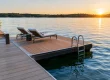
- The “Cool Deck” Advantage: Use light-colored HDPE floating docks. Unlike wood or metal, these surfaces stay cool enough for bare feet even in 38°C heat.
2. Seating and Social Hubs
People come to the water to be together.
- Diverse Seating: Provide a mix of traditional picnic tables, ergonomic benches, and “lounge-ready” wide docks.
- Group Zones: Designate larger areas for family reunions or birthday parties to keep large groups from “taking over” smaller public spaces.
Convenience: Reducing Visitor Friction
1. Digital and Physical Wayfinding
A lost guest is a frustrated guest.
- Signage: Use clear, high-contrast signs with universal icons.
- Smart Tech: Implement QR codes at entry points that link to a mobile-friendly park map, water quality reports, and event schedules.
2. Hygiene and Gear Management
- Wash Stations: Provide foot-wash stations and outdoor showers near the swim area to keep sand and mud out of cars and restrooms.
- Secure Storage: Adding day-use lockers allows guests to swim without worrying about their valuables, a major “friction point” for solo visitors or small families.
Safety as a Guest Experience Feature
Safety should be visible but not intrusive.
- The Life Jacket Hub: A well-maintained PFD loaner station proves that the park cares about its guests.
- Defined Swim Boundaries: Use high-visibility buoy lines and floating “Swim Platforms.” These provide a clear destination for swimmers and keep them safely away from boat traffic.
Maintenance & Operations Plan
- Daily: Conduct a “First Impression Walk” at 8:00 AM. Check restrooms, empty trash, and ensure the beach area is rake-clean.
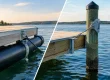
- Weekly: Inspect all floating dock couplers and safety railings for stability.
- Monthly: Survey guests! A simple 3-question “How are we doing?” card at the exit provides invaluable data for future improvements.
FAQ
How does shade improve guest experience at lakeside parks?
It increases “dwell time.” Guests who have a cool place to rest will stay 2-3 hours longer than those exposed to direct sun, leading to higher satisfaction and more use of park amenities.
What is the best way to keep a public beach clean?
Strategic placement of trash and recycling bins—ideally every 50-75 feet in high-traffic areas—and “No Glass” enforcement.
Are floating docks safe for public swim areas?
Yes, modular floating docks are specifically designed for stability. They provide a safe “island” for swimmers to rest on, which can prevent fatigue-related accidents.
How can we accommodate visitors with pets?
Create a designated “Dog Beach” or provide pet waste stations and shaded “leash-up” areas near the main entrance.
What are “soft amenities”?
These are low-cost, high-impact features like free Wi-Fi, background music in picnic areas, or “Little Free Libraries” for beach-side reading.
Checklist for Park Guest Experience
- [ ] Audit the path from the parking lot—is it clear and stroller-friendly?
- [ ] Verify that there is at least one shaded spot for every three picnic tables.
- [ ] Check that restrooms are within a 2-minute walk of the swim area.
- [ ] Ensure the PFD loaner station is stocked and visible.
- [ ] Add a “Hydration Station” (water bottle filler) near the beach.
- [ ] Install “barefoot-friendly” floating docks for swimmers.
- [ ] Place “Rules of the Water” signs in high-visibility areas.
- [ ] Set up a designated “First Aid” or “Emergency” contact station.
- [ ] Create a “Selfie Spot” with a beautiful lake backdrop to encourage social sharing.
- [ ] Review the daily cleaning schedule for high-traffic zones.
A great guest experience is the result of intentional design and proactive management. By choosing to improve guest experience at lakeside parks through smart infrastructure and thoughtful amenities, you are building a stronger, happier community. At EZ Dock Texas, we help parks achieve this through our ultra-durable, low-maintenance floating docks and accessible launches. Ready to take your park’s visitor experience to the next level? Contact us today or follow our latest guest-focused projects on Facebook.