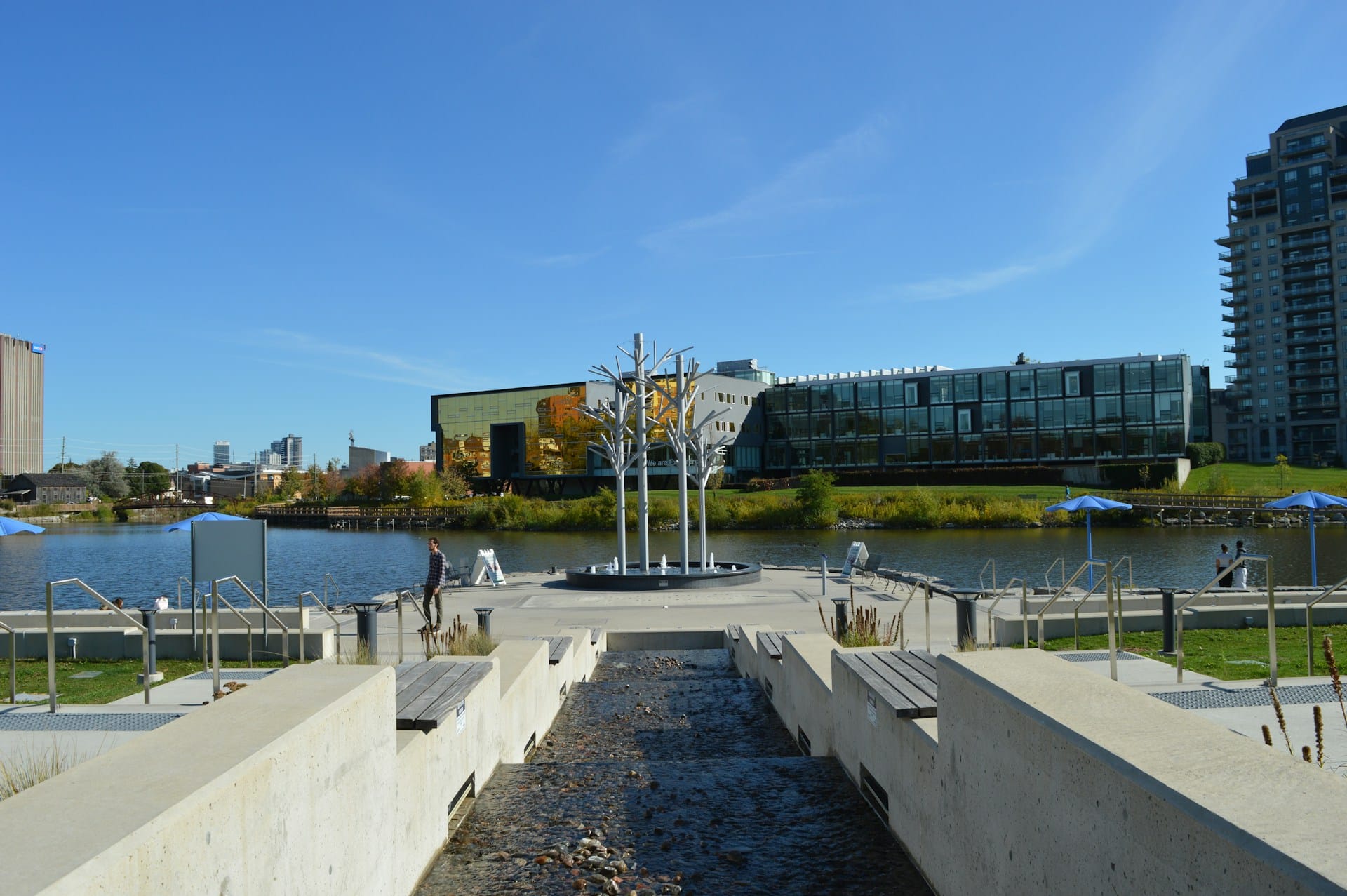
Public waterfront projects are transformative investments that turn underutilized shorelines into engines for community revitalization. By integrating “Smart Park” technologies—like real-time environmental monitoring and interactive digital kiosks—with inclusive design and green infrastructure, cities can attract high-value tourism and foster a sense of local ownership. In 2026, the most successful projects prioritize “participatory planning,” where residents help shape the vision for diverse, multi-use spaces that balance recreation with ecological restoration.
Key Takeaways:
- Waterfronts are the “front porches” of a city, defining its brand and quality of life.
- Interactive “Smart Park” features (Wi-Fi, QR-coded trails) increase visitor engagement.
- Green infrastructure (rain gardens, permeable docks) reduces long-term maintenance costs.
- Participatory planning sessions build the political and social will needed for large projects.
- High-quality parks attract a mobile workforce, driving residential and retail growth.
The Catalyst Effect
A public waterfront project is rarely just about the water. In Texas cities from Austin to Tyler, these projects serve as the “anchor tenant” for downtown redevelopment. When a city invests in a high-quality lakefront or riverwalk, private investment in housing, dining, and retail almost always follows.
By 2026, the trend has shifted toward “milieu-based” design—creating a unique environment that reflects the local culture (the genius loci). This approach ensures the park isn’t just a generic green space, but a destination that residents are proud to call their own and tourists are willing to travel to see.
Modern Revitalization Trends
1. The “Smart Park” Revolution
Modern visitors expect connectivity.
- Interactive Kiosks: Provide real-time data on water temperature, fish activity, or upcoming park events.
- Digital Wayfinding: Use QR codes on signage to offer “Pop-up Facts” about local history or riparian ecology, turning a simple walk into an educational experience.
2. Biophilic and Resilient Design
Sustainability is no longer optional.
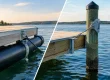
- Nearshore Ecology: Instead of concrete seawalls, modern projects use “habitat benches” and textured panels that support fish migration.
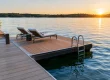
- Flood-Resilient Infrastructure: Floating modular systems are the standard for 2026, as they rise and fall with Texas’s variable water levels, preventing the costly “rebuild cycles” associated with fixed piers.
3. Inclusive and Equitable Access
The most successful public waterfront projects are those where everyone feels welcome.
- Universal Access: This goes beyond ADA ramps. It includes wide, “curbless” promenades, sensory-friendly zones, and bilingual signage that reflects the community’s diversity.
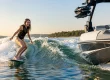
- Equitable Programming: Creating spaces for free public events—like “Floating Cinema” nights or community yoga—ensures the waterfront remains a resource for all income levels.
The Participatory Planning Model
To ensure long-term success, cities are moving away from “top-down” design.
- Community Workshops: Hosting interactive sessions where residents use stickers or “participatory budgeting” (voting with play money) to choose features like splash pads vs. fishing piers.
- Advisory Committees: Forming a “Project Advisory Committee” (PAC) that serves as a bridge between city officials and neighborhood residents.
Maintenance & Operations Plan
- Quarterly: Conduct a “Digital Health Check” on all Smart Park sensors and Wi-Fi hubs.
- Biannually: Review visitor data (via Bluetooth tracking or surveys) to adjust programming and staffing levels.
- Annually: Host a “State of the Waterfront” public meeting to report on economic impact and ecological health.
Economic & Social ROI
- Tourism Engine: Parks are often the primary driver for local hotel stays and restaurant visits.
- Health Benefits: Access to blue space is scientifically linked to reduced stress and improved psychological well-being for urban residents.
FAQ
How do public waterfront projects affect property taxes?
Typically, high-quality park investments increase surrounding property values, which expands the municipal tax base without raising individual tax rates.
What is “Green Infrastructure” in a park?
It refers to natural systems—like rain gardens, bioswales, and permeable pavements—that manage stormwater on-site rather than piping it into the lake.
How can we fund a large-scale revitalization?
Most cities use a “Funding Stack” including municipal bonds, state grants (like TPWD), and “Friends of the Park” non-profit fundraising.
What is a “Smart Park”?
A park that uses technology (sensors, apps, and digital signage) to improve safety, optimize maintenance, and enhance the visitor experience.
How do we prevent a new park from becoming overcrowded?
Design “Micro-Destinations” throughout the park to spread out the crowd, and use real-time “Crowd Meters” on the park’s website or app.
Checklist for City Leaders
- [ ] Launch a “Community Visioning” campaign with 3–5 public workshops.
- [ ] Identify “Strategic Partners” (local businesses, EDCs, and environmental groups).
- [ ] Conduct a “Market Demand Analysis” to see what amenities visitors are seeking.
- [ ] Integrate “Smart Park” technology into the initial design phase.
- [ ] Choose modular, floating infrastructure to ensure long-term flood resiliency.
- [ ] Plan for 100% ADA/Universal accessibility from the parking lot to the water.
- [ ] Establish a 20-year “Maintenance Endowment” or funding plan.
- [ ] Select native, drought-resistant plantings to reduce irrigation costs.
- [ ] Schedule a “Design Competition” to attract bold, innovative ideas.
- [ ] Create a “Phasing Map” to show the community the 1, 5, and 10-year goals.
A public waterfront project is an investment in your city’s soul. By combining resilient engineering with the voices of your residents, you can create a destination that thrives for generations. At EZ Dock Texas, we are proud to provide the modular, low-impact infrastructure that brings these visions to life across the Lone Star State. Ready to start your city’s transformation? Contact us today or see our recent revitalization successes on Facebook.