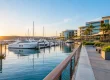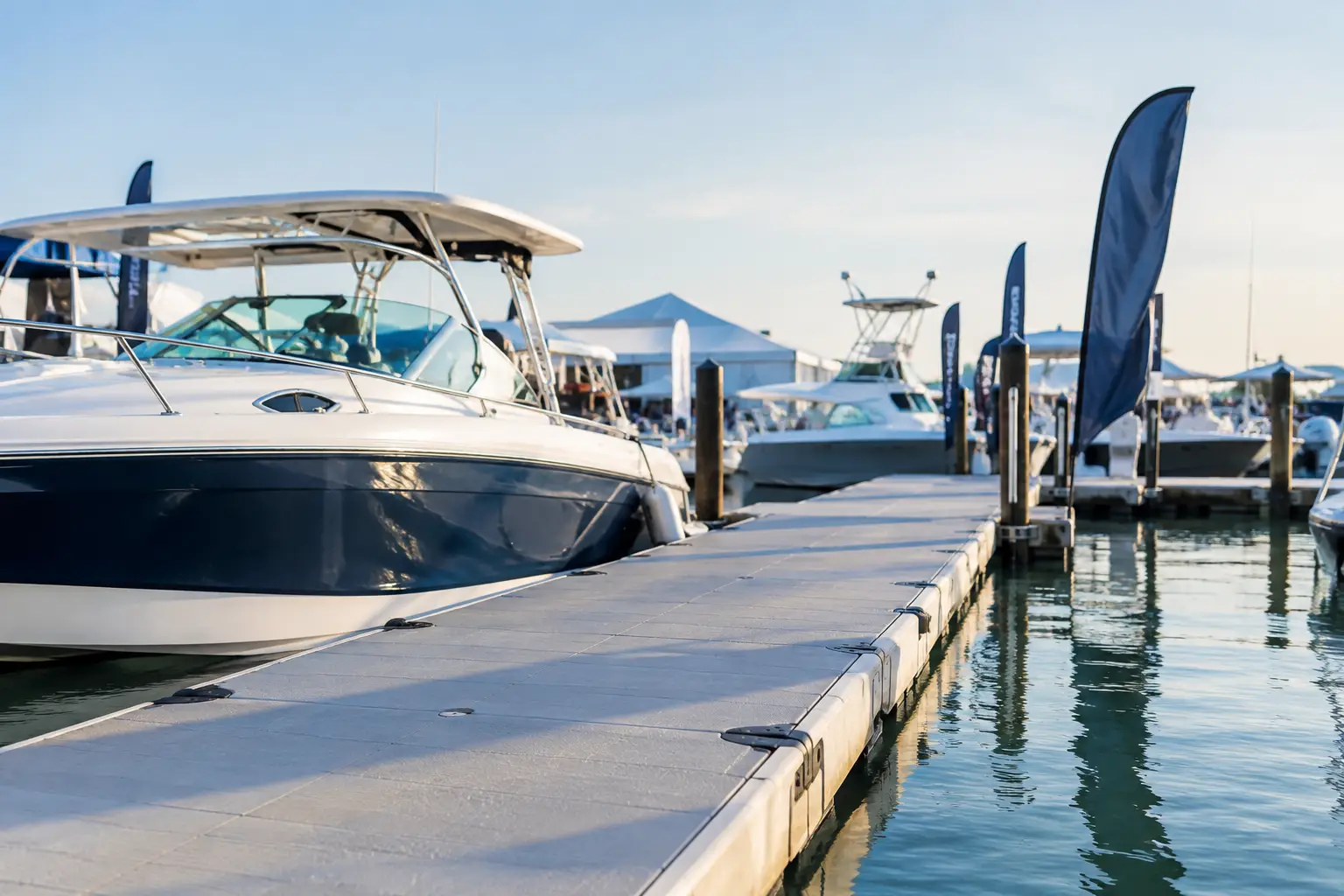
A marina dock has to do more than look good on opening day. It has to accommodate changing water, steady traffic, varied boat sizes, and years of weather with minimal disruption to operations. Join EZ Dock Texas at the Texas Marina Show, October 19-21, to discuss what a better waterfront layout can look like for your property, facility, or public-access project.
Whether you are replacing aging fixed docks, adding slips, improving kayak access, or planning a new marina from the shoreline out, the best decisions happen before materials are ordered. The show is a useful opportunity to bring your questions, rough measurements, photos, and operating goals to a conversation with a waterfront solutions team that understands the conditions across Texas and the surrounding region.
Join EZ Dock Texas at the Texas Marina Show, October 19-21
A modular floating dock system is not a one-size-fits-all purchase. Marina owners may need to improve circulation, create more usable slips, or give customers safer access from parking areas to boats. Resorts and campgrounds may be focused on rental fleets, swimming access, fishing areas, or a launch point for kayaks and paddleboards. A municipal or park project may have accessibility, public safety, procurement, and long-term maintenance requirements to consider at the same time.
That is why the conversation should start with how the waterfront will actually be used. The right dock configuration considers vessel types, seasonal water movement, shoreline grade, expected traffic, local wind exposure, and the need for future expansion. It also considers the people using it – from experienced boaters and marina staff to children, anglers, guests, and visitors with mobility needs.
At the Texas Marina Show, bring the real-world details that define your project. A few site photos, an aerial image, approximate water depths, and an explanation of where users enter and exit the water can help turn a general idea into a productive planning discussion.
Questions Worth Bringing to the Show
The most valuable show conversations are specific. Instead of asking only which dock is best, consider what needs to work better at your waterfront.
For a marina, that might mean asking how to create a layout that supports smoother customer movement without sacrificing slip capacity. For a lakefront homeowner, it may mean finding an approach that remains practical as lake levels rise and fall. For a parks department, it could mean balancing public access, ADA considerations, durable materials, and manageable maintenance budgets.
Anchoring is often one of the first technical subjects to discuss. A dock may float, but it still needs a stabilization approach suited to the site. Water depth, bottom conditions, exposure, fluctuating water levels, and the size of the dock system all influence whether guide piles, cable systems, stiff-arm connections, or another anchoring strategy is appropriate. There is no universal answer, and selecting an approach without evaluating the site can create avoidable problems later.
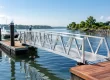
Access is another key consideration. A gangway should be selected for the shoreline, expected water variation, and the people who will use it. The shortest path is not always the safest or most comfortable path. Slope, width, handrails, surface traction, and transitions at both ends matter, particularly for public facilities and high-traffic commercial properties.
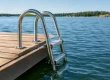
It is also worth discussing what belongs around the dock, not just the dock itself. Boat ports and personal watercraft ports can protect equipment and simplify launching. Kayak and canoe launches can make paddlesports more approachable for a broader range of users. Railings, lighting, ladders, dock boxes, and fishing accessories can improve safety and day-to-day usability when they are incorporated into the design rather than added as an afterthought.
See What Modular Waterfront Design Can Do
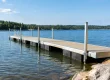
Modular systems are built for change. A marina may begin with a primary dock, a few slips, and a protected fueling or service area, then add sections as demand grows. A campground may want a seasonal arrangement that supports fishing in one area and rental boats in another. A waterfront homeowner may begin with a simple boarding dock and later add a PWC port, swim platform, or kayak launch.
That flexibility can be a meaningful advantage, but it does not eliminate the need for thoughtful initial planning. The main dock, connections, anchoring, and access route should be designed with the full site in mind. Planning for expansion now can help avoid rebuilding major portions of the system later.
Material selection also affects long-term ownership. Traditional wood structures can require recurring attention for staining, splintering, fastener corrosion, and weather-related wear. Floating polyethylene dock systems offer a different ownership model: durable, low-maintenance components designed to stand up to sun, water, and regular use. For operators managing multiple slips or public-access amenities, less time spent on routine dock upkeep can mean more time focused on guests, customers, and facility operations.
American-made EZ Dock products are engineered for long-term waterfront use, with modular configurations that can support residential, commercial, and public applications. The appropriate system still depends on the site. A protected pond, an active marina basin, a reservoir with major elevation changes, and an exposed shoreline each present different design conditions.
Plan for Users, Water Levels, and Operations
A dock project often succeeds or fails on details that are easy to overlook from shore. Think through how users will approach the facility during busy periods. Where will boaters wait? Can staff reach moored vessels safely? Is there room for carts, gear, coolers, fishing equipment, or emergency access? Will a rental operator need a clear place for guests to receive instructions before launching?
Water levels deserve equal attention. Many Texas lakes and reservoirs experience meaningful changes throughout the year. A floating system can move with the water, but the gangway, anchoring, and shore connection must be designed to accommodate that movement. Planning only for a normal water level can leave a dock difficult to access when conditions shift.
For public and institutional buyers, process matters as much as product performance. Project teams may need to coordinate with procurement requirements, site regulations, engineering partners, and construction schedules. EZ Dock Texas can assist with customized layouts, product selection, installation planning, and procurement options through cooperatives including BuyBoard and Sourcewell. Early coordination can make it easier to define scope, budget accurately, and avoid delays once a project moves forward.
Make the Most of Your Visit
You do not need a finished set of plans to start a productive dock conversation. A simple sketch and a clear description of your goals can be enough to identify the next steps. If possible, bring basic dimensions of the shoreline and desired dock area, known water depths, photos taken from several angles, and notes about current access challenges. For an existing facility, mention what is working well too. Good design should preserve useful features while correcting limitations.
Be ready to discuss timing. Some projects are best completed during lower-use seasons, while others must be phased to keep a marina, campground, or public launch operational. Temporary dock rental may also be a practical option for waterfront events, construction needs, or seasonal programming where a permanent installation is not the right fit.
The Texas Marina Show is a chance to move beyond a catalog decision and talk through the conditions that will shape your waterfront for years. Come prepared with your site questions, your operational goals, and the challenges users face today. A well-planned dock system should not simply reach the water – it should make every trip to the water safer, easier, and more enjoyable.