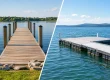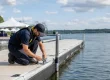
A marina rarely fails all at once. More often, the warning signs show up at the busiest times: a gangway that feels too steep, slips that no longer fit the boats on the water, worn decking that raises maintenance calls, or an awkward launch area that sends paddlers and personal watercraft users elsewhere. Marina modernization is the opportunity to address those operating problems before they affect safety, reputation, and revenue.
For marina owners, resort operators, public agencies, and waterfront developers, the goal is not simply to replace aging dock sections. A successful upgrade creates a safer, more flexible waterfront that can serve current customers while adapting to changing water levels, vessel sizes, recreation trends, and future expansion.
Start Marina Modernization With the Operating Problem
The best modernization plans begin with how people use the facility, not with a catalog of dock products. A fishing-focused marina has different priorities than a lakefront resort with rental pontoons, a public park with kayak traffic, or a private community serving residents of all ages.
Walk the property during a busy weekend and look for friction points. Are boaters waiting for fuel or launch access? Do guests have a clear route from parking to their slip? Are anglers, swimmers, paddlers, and powerboat users crossing paths in ways that create conflict? Is staff spending too much time tightening hardware, repairing boards, or managing temporary fixes?
Those observations help set practical priorities. Some properties need more usable slips. Others need improved ADA-conscious access routes, safer boarding areas, better lighting, or a dedicated launch for kayaks and canoes. In many cases, the immediate need is to replace a fixed layout that no longer works with fluctuating lake levels.
A modernization project should also account for what the marina may become over the next five to ten years. If personal watercraft rentals, paddle sports, fishing events, or larger boats are part of the business plan, leave room for them in the layout now. Modular systems make this easier because sections, ports, and accessories can be reconfigured or added as demand changes.
What a Modern Marina Upgrade Can Include
Modernization does not always mean a complete replacement. It can be a targeted upgrade of the areas that create the most operational strain, followed by future phases as budgets and priorities allow.
Floating docks built for water-level changes
In Texas, Oklahoma, Arkansas, and New Mexico, water levels can change dramatically between seasons and years. Fixed structures may become too high, too low, or difficult to access when the shoreline and water elevation shift. Floating dock systems rise and fall with the water, helping maintain a more consistent boarding height for boats and users.
The anchoring system is just as critical as the dock surface. A well-designed system considers water depth, wind exposure, wave action, bottom conditions, fetch, expected water-level variation, and the loads created by boats and foot traffic. Anchoring should never be treated as an afterthought. The correct approach depends on the site, and a system designed for a protected pond may not be appropriate for an exposed marina basin.
Better access for more types of users
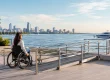
Modern marinas serve more than boat owners. They may welcome families, older visitors, anglers, rental customers, paddlers, maintenance staff, and emergency personnel. Wide walking routes, stable transitions, well-placed handrails, ladders, and practical lighting can improve day-to-day usability without making the waterfront feel overbuilt.
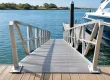
Gangway selection deserves special attention. Its length, width, landing area, slope, handrail configuration, and connection points affect how comfortably people reach the dock. A gangway that works well at average water level may be difficult to use at seasonal lows or highs. Site-specific planning is the difference between an attractive drawing and an access route people can use confidently.
For public-facing properties, accessibility requirements and local regulations should be reviewed early with the appropriate design and permitting professionals. The right dock partner can help identify practical layout considerations, but final compliance decisions belong with the relevant authorities and project team.
Amenities that create a better guest experience
Customers notice the details that make their time on the water easier. Boat ports can keep personal watercraft and small boats protected and ready for use. Kayak and canoe launches give paddlers a controlled entry point instead of asking them to scramble down a bank. Dock boxes reduce clutter, while lighting, railings, cleats, and boarding ladders support a more organized and safer facility.
These additions can also reduce staff workload. A designated launch area limits damage to shoreline landscaping. Clearly organized slips reduce confusion during arrivals. Durable, low-maintenance dock surfaces can mean fewer recurring repairs and less downtime during the season.
Plan Phased Upgrades Without Closing the Waterfront
A large project can be disruptive if it is planned as one all-or-nothing event. For many operating marinas, a phased approach is the smarter path. The first phase may replace the most worn or heavily used slips. The next may improve access, add dedicated paddle-sport infrastructure, or extend the facility to meet growing demand.
Phasing works best when the long-term layout is established from the beginning. Even if only part of the plan is installed now, the dock configuration, anchoring strategy, utility routes, and circulation paths should anticipate later additions. Otherwise, a short-term fix can create unnecessary demolition or redesign costs a few years later.
Consider the construction calendar as well. Work scheduled around peak season, tournaments, holidays, or recurring events can protect revenue and reduce inconvenience for tenants and guests. Temporary dock rentals may also be useful when a marina needs added capacity for an event or needs to maintain access during a transition.
Budget decisions should include ownership costs, not only the installed price. Lower-cost materials or undersized components can carry a higher long-term burden through repairs, replacement labor, customer complaints, and lost use. American-made modular floating dock systems built for marine conditions may require a larger initial investment, but they can provide better value when durability, adaptability, and maintenance time are considered together.
Design Details That Affect Long-Term Value
The most visible part of a marina is the dock deck, but the less visible design decisions often determine whether the facility performs well over time. Utility planning is one example. Electrical service, water lines, fuel access, and lighting need thoughtful routing and protection, with qualified professionals handling applicable code requirements. Retrofitting utilities after the dock layout is finished can be more expensive and more disruptive.
Slip dimensions also deserve a realistic look. Boats have changed. Wider pontoons, wake boats, and larger cruisers may not fit within layouts designed decades ago. At the same time, dedicating every available foot to large vessels can reduce overall capacity. The right mix depends on the customer base, local boating patterns, and the revenue model.
Traffic flow matters as much as slip count. A marina can feel crowded even when it has adequate square footage if pedestrians, carts, maintenance crews, and dock users must share narrow routes. Provide logical paths to restrooms, parking, fuel, rental operations, and launch points. Separate high-activity uses where possible, particularly paddle sports and personal watercraft areas.
Material selection is another long-term decision. Traditional wood can have a familiar appearance, but it may require ongoing staining, board replacement, and attention to splinters or fastener issues. Modular polyethylene dock systems are designed to resist rot, corrosion, and many of the maintenance demands associated with wood. The appropriate choice depends on the visual goals, use level, budget, and environmental conditions, but maintenance should be part of the conversation from day one.
Avoid Treating Modernization as a Cosmetic Project
Fresh decking and new signage can improve appearances, but cosmetic work alone will not correct poor access, unstable structures, outdated slip layouts, or inadequate anchoring. A marina modernization project should solve the causes of operational problems rather than cover them up.
It is also wise to avoid copying a neighboring marina without studying the site. Shoreline geometry, wind exposure, lake elevation changes, customer activity, water depth, and permitting conditions can differ significantly from one property to the next. What works at a protected resort cove may not be the right answer for a public marina exposed to heavy boat traffic and open-water waves.
Experienced waterfront planning helps owners make those distinctions before materials are ordered. At EZ Dock Texas, the design conversation can include dock configuration, gangways, anchoring, ports, launches, accessories, delivery, and installation so the finished system works as one coordinated waterfront solution.
Make Room for the Waterfront You Want to Operate
A well-planned marina should make daily use feel straightforward for guests and manageable for staff. It should give boaters stable access, give paddlers a welcoming launch point, and give owners a layout that can respond to future needs without starting over.
Before the next busy season exposes the same recurring problems, walk the waterfront with a long-term view. The right modernization plan does more than refresh the marina. It gives the property a practical foundation for safer use, stronger service, and years of dependable operation.