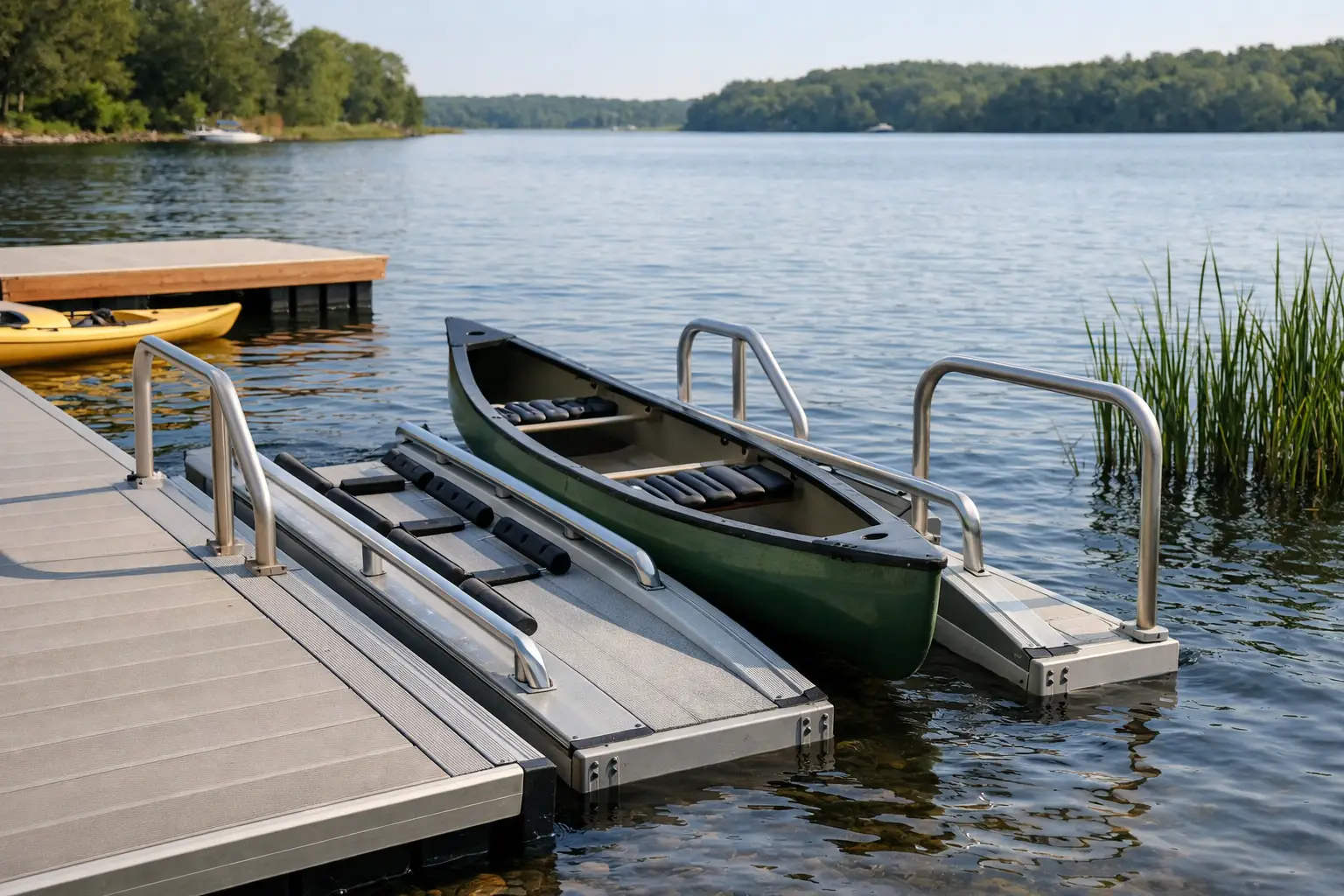
A canoe launch should make the first few feet on the water feel routine, not uncertain. Good canoe launch dock design gives paddlers a stable place to step in, sit down, load gear, and push off without fighting a steep bank, a rocking platform, or an awkward gap between dock and boat. That matters at a private lake home, but it matters even more at parks, camps, rental operations, and community waterfronts where users arrive with different skill levels and physical abilities.
The best solution is rarely just a dock placed near the shoreline. It is a planned access system that considers the waterbody, seasonal changes, intended users, shoreline conditions, and the way people actually carry and launch a canoe.
Start With the Paddler’s Real Path to the Water
A practical canoe launch begins on land. Paddlers often carry a canoe on one shoulder, wheel it on a cart, or work as a pair to move a heavier boat. The route from parking, trail, storage area, or campsite should be as direct and clear as possible. Sharp turns, loose gravel, steep grades, and steps create problems long before the canoe reaches the dock.
At the waterfront, the transition to the dock deserves equal attention. A gangway or approach ramp should match the expected changes in water level and provide a steady walking surface. On reservoirs and lakes throughout Texas, Oklahoma, Arkansas, and New Mexico, water elevations can change significantly. A floating dock system rises and falls with the water, while the gangway manages the connection to shore.
Once on the dock, paddlers need enough room to set down a paddle, adjust a personal flotation device, organize a dry bag, and enter the canoe without blocking others. For a single-family property, that may mean a simple launch area built into a small floating dock. For public access, the design may need separate circulation space so arriving and departing users do not cross paths in a tight area.
What Makes a Canoe Launch Stable?
Canoes are narrow, lightweight, and responsive to movement. A floating dock does not need to be completely motionless, but it should provide predictable footing and resist excessive movement when someone steps to the edge. Dock flotation, connection strength, anchoring method, and overall layout all affect that experience.
A wider platform generally gives users more confidence because it creates room for a helper, gear, and a safer stance. The launch edge should allow the canoe to sit alongside the dock without a large vertical drop or a difficult reach. If the dock sits too high above the water, paddlers may struggle to lower themselves into the canoe and recover after a paddle. If it sits too low, the platform can be less comfortable for stepping aboard from shore or for general dock use.
The right height depends on the canoe, water conditions, and primary users. Recreational canoes, fishing canoes, and adaptive paddling programs may each need a different setup. This is why a site-specific design consultation is more useful than selecting a standard dock size from a catalog.
Keep the Canoe Alongside the Dock
Most users enter a canoe more safely when it is held parallel to the dock rather than pointed straight away from it. A protected side-slip area, launch channel, or simple edge configuration can help keep the canoe in position while the paddler transfers weight.
In areas exposed to wind or boat wake, a protected launch pocket may be worth the added footprint. A short perpendicular section can create a calmer space, while a longer dock run may offer room for multiple boats. The trade-off is that more dock sections, anchoring, and shoreline connection add cost. For a busy public launch, that investment can reduce congestion and improve safety. For a quiet ranch pond, a compact design may be the better fit.
Design for Changing Water, Wind, and Shoreline Conditions
A canoe launch can work beautifully at one water elevation and become frustrating when the lake drops several feet. Fixed structures may be appropriate in certain locations, but floating docks are often the more adaptable choice for variable water levels. They maintain their relationship to the canoe as the water rises or falls, helping preserve a more consistent boarding height.
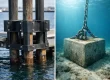
Anchoring is what keeps that floating system where it belongs. The appropriate method depends on water depth, bottom conditions, exposure, shoreline type, and expected water fluctuations. Pipe anchoring may work well in relatively shallow water with manageable elevation changes. Cable, pile, or other anchoring strategies may be more appropriate for deeper water, larger fluctuations, or exposed locations.
Wind direction is another commonly overlooked factor. If prevailing winds push canoes against the launch edge, the setup may be convenient. If they push boats away from the dock and into open water, users will have a harder time entering safely. Reviewing the site during normal conditions is helpful, but design decisions should also account for the windy days when a launch is most challenging.
Build Canoe Launch Dock Design Around the Intended Use
The same floating dock components can support very different canoe access needs. The layout should follow the use case rather than forcing every project into the same arrangement.
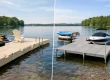
For homeowners, a canoe launch may be part of a multipurpose dock used for fishing, swimming, paddleboards, and occasional boat access. In that case, a designated low-traffic launch side can preserve open deck space while making the dock more useful for the whole family.
For parks and public agencies, the priorities often include durability, clear traffic flow, accessibility considerations, and the ability to handle frequent use. A launch may need a wider platform, handrails in selected areas, clear entry and exit zones, and materials that are easy to maintain. Public projects also require early attention to permitting, local requirements, procurement processes, and long-term operations.
For camps, outfitters, and rental operators, throughput matters. Guests need an intuitive place to receive safety instructions, load boats, and return without creating a bottleneck. A layout with separate launch and return areas can keep staff focused on guests instead of constantly untangling traffic.
A useful planning brief should identify at least these five items:
- The types and number of canoes expected at one time
- Typical user experience, including children, groups, or adaptive programs
- Seasonal and long-term water-level variation
- Shoreline access from parking, trails, storage, or facilities
- Wind, wake, depth, and bottom conditions at the proposed location
These details guide the dock footprint, approach, anchoring, accessories, and installation plan.
Choose Materials That Reduce Maintenance Burden
Waterfront infrastructure is exposed to sun, moisture, mud, changing water, and regular impacts from boats and gear. A canoe launch should be built for that environment, not treated as a short-term platform. Modular floating dock systems with durable, UV-resistant materials can reduce the maintenance demands associated with traditional wood docks, including frequent staining, splinter repair, and board replacement.
A textured, slip-resistant surface is especially valuable at a canoe launch, where wet shoes and dripping paddles are expected. Dock sections should also be configured to create a stable walking surface with dependable connections under repeated loading. Accessories such as railings, bumpers, cleats, lighting, and storage can improve day-to-day use, but they should be placed carefully so they do not interfere with paddle strokes, boat movement, or transfers.
For many owners, modularity is a long-term advantage. A launch can begin as a simple shoreline access point and expand later into a fishing dock, boardwalk connection, rental fleet area, or broader waterfront recreation system. That flexibility is particularly useful when budgets, property use, or family needs change over time.
Do Not Treat Accessibility as an Add-On
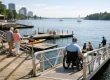
Accessible waterfront access requires careful planning, and requirements vary by project type and jurisdiction. A dock alone does not automatically create an accessible canoe launch. The approach route, gangway slope, surface transitions, transfer area, railings, edge protection, and operational procedures all affect how a person uses the facility.
For public projects, involve the appropriate accessibility and permitting professionals early. For private properties, accessible design principles can still make the launch more comfortable for older family members, guests with limited mobility, and anyone handling a canoe with a partner. Extra deck width, smoother transitions, steady handholds where appropriate, and less clutter can benefit every user.
Plan Installation Before Ordering Components
A strong dock layout on paper still depends on proper installation. Shoreline grade, water depth, access for equipment, soil conditions, utility conflicts, and permit requirements can all change the practical solution. Installation timing also matters. Low water may make certain anchoring tasks easier, while high water may reveal how the gangway and shoreline connection will perform in normal use.
EZ Dock Texas helps property owners, parks, and commercial operators move from site conditions to a customized dock layout, anchoring approach, and professional installation plan. With an American-made modular system, the goal is not merely to create a place to launch a canoe. It is to create waterfront access that remains safe, adaptable, and useful season after season.
Before committing to a layout, walk the route with a canoe in hand and picture the launch on a windy afternoon, during low water, and when several users arrive at once. Those real-world moments will point you toward a dock design that feels easier to use from the first launch onward.