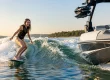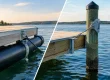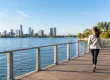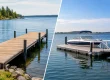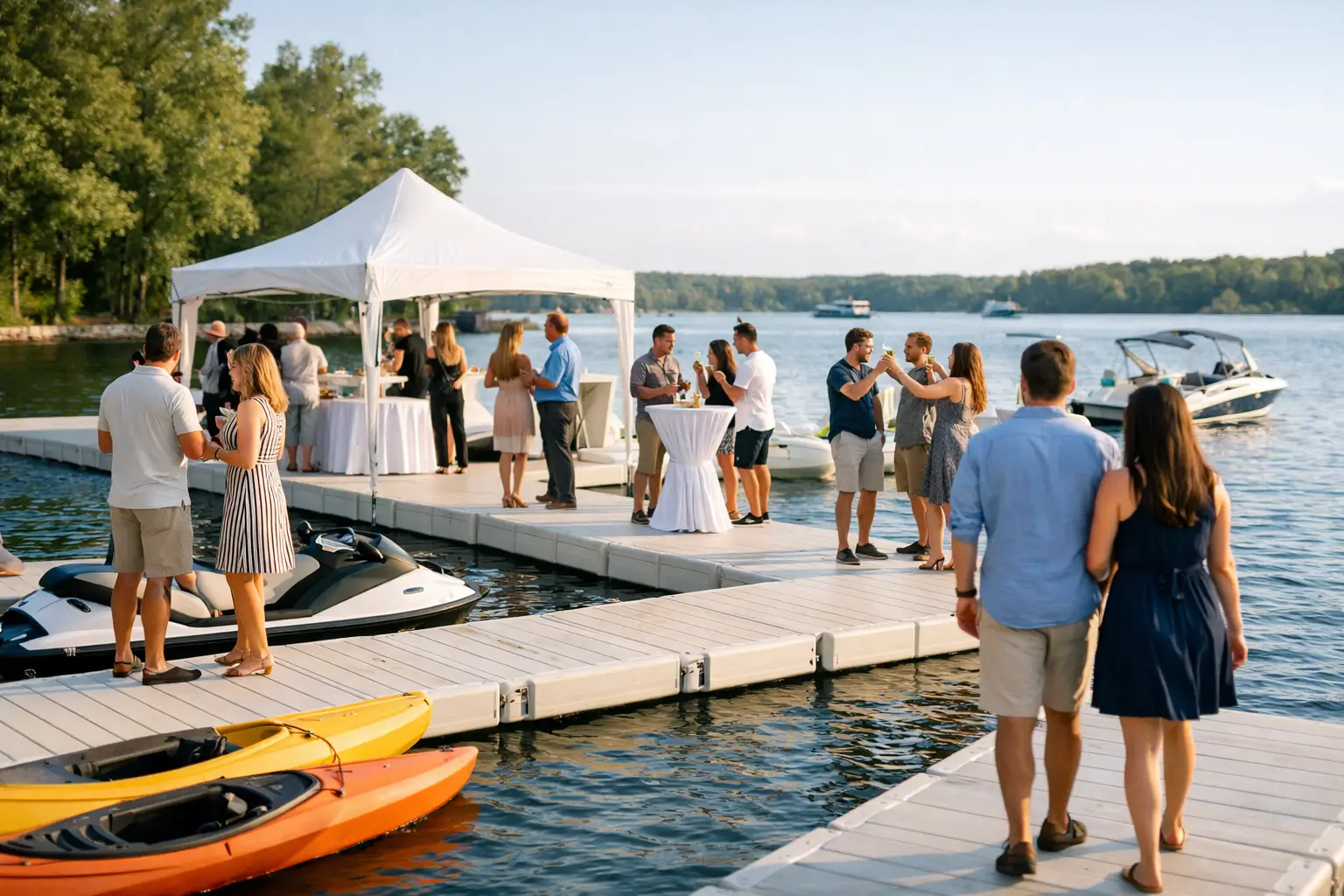
A waterfront event can look simple from shore: a few boats, a crowd, and a great view. On the water, the details matter. Floating dock rental events need a layout that gives guests a clear place to board, gather, launch, or watch without turning the shoreline into a bottleneck.
Whether you are hosting a rowing regatta, fishing tournament, lakeside festival, camp activity, boat show, race support operation, or private celebration, a temporary floating dock can create useful access where a permanent structure is not available. The right system also helps organizers adapt when water levels, attendance, boat traffic, or site conditions change.
What Floating Dock Rental Events Need Most
A rental dock should be planned around the actual job it needs to do, not simply around the amount of shoreline available. A dock used as a boarding platform for a shuttle boat has different requirements than one supporting kayak launches, event check-in, spectator access, or tournament weigh-in activities.
Start by identifying how people and equipment will move through the site. Guests may need a stable path from land to a dock, while staff need room to manage lines, load supplies, or stage safety equipment. If boats will approach from more than one direction, the layout should leave enough water space for controlled arrivals and departures.
Modular floating dock systems are especially useful for temporary events because they can be configured into straight runs, T-shapes, L-shapes, wider platforms, launching lanes, and temporary walkways. That flexibility can reduce the need to force an event plan into a shoreline that was never designed for it.
Choose the Layout Before Choosing the Dock Size
The largest dock is not always the best event dock. A compact, well-organized layout can keep traffic moving better than a large open platform with no defined purpose. Before requesting a rental quote, consider expected attendance, the types of watercraft involved, shoreline elevation, available parking and delivery access, and the duration of the event.
For example, a fishing tournament may need a protected unloading area, a clearly designated approach lane, and enough dock surface for participants to step off safely. A paddling event may benefit from a low-profile launch area that allows canoes and kayaks to enter and exit without crowding a conventional boat slip. A waterfront festival may need a floating boardwalk-style connection that creates a defined guest route from shore to a viewing or activity area.
It also helps to separate public traffic from operational traffic. When staff, vendors, participants, and spectators all use the same narrow dock at the same time, delays and safety concerns can build quickly. A thoughtful layout can establish one direction for entry, another for exit, and a separate working area for event crews.
Plan for the gangway, not just the platform
The connection from land to dock deserves as much attention as the floating surface. A properly selected gangway helps accommodate normal water movement and changing lake levels while providing a more predictable route for foot traffic. The slope, landing area, handrail needs, and shoreline transition should all be considered early.
A site with fluctuating reservoir levels may require a different access approach than a protected pond or a marina basin. The same is true for events involving carts, coolers, racing shells, rescue equipment, or guests who need additional mobility support. Accessibility and safe access are site-specific, so the plan should reflect actual users rather than assumptions.
Site Conditions Can Change the Rental Plan
Temporary does not mean improvised. Wind exposure, wave action, water depth, bottom conditions, shoreline grade, and boat wake can all affect how a floating dock should be anchored and configured.
A calm cove may allow for a straightforward event platform, while an open lake location may call for additional stabilization and a layout designed to manage movement. A dock that is suitable for a small, controlled gathering may not be appropriate for heavy foot traffic, repeated vessel loading, or an event where people will cluster along one edge to watch the action.
Anchoring is a key part of the system. Depending on the location, a rental installation may use shore connections, pilings, cable systems, weighted anchors, or another approach selected for the site. The goal is not merely to keep the dock in place. It is to provide a stable, usable platform within the operating conditions expected during the event.
For public events, organizers should also confirm local requirements well ahead of time. Permitting, shoreline permissions, insurance requirements, navigation considerations, and event-specific safety plans can take longer than the physical dock setup. A dock provider can help assess the waterfront configuration, but the event organizer remains responsible for securing applicable approvals and coordinating with venue managers or authorities.
Build Safety Into the Guest Experience
Guests notice when an event feels organized. They may not notice the dock layout itself, but they will notice whether boarding feels uncertain, whether lines cross a walking path, or whether there is nowhere to wait without blocking others.
Good planning creates visual order. Clearly defined access points, open travel paths, appropriate railings where needed, and designated loading zones help reduce confusion. For evening events, lighting may be necessary to make changes in elevation, dock edges, and transitions easier to see.
Staffing matters too. A temporary dock should not become an unattended extension of the event. Assign team members to manage boarding when vessels are active, keep the walking surface clear, and respond if weather or water conditions change. For larger gatherings, establish capacity expectations and avoid allowing groups to concentrate in one area simply because it offers the best view.
Weather planning is equally practical. High winds, lightning, significant wake, or rapidly changing water conditions may require organizers to pause waterfront activities or alter the schedule. A clear communication plan for staff and attendees is more useful than trying to make a dock serve conditions beyond its intended event use.
When Dock Rentals Make More Sense Than Buying
Purchasing a permanent dock is often the right long-term decision for marinas, lake homes, parks, campgrounds, and facilities with recurring waterfront use. Rental systems are a strong fit when access is needed for a limited time, when an event footprint changes from year to year, or when an organization wants to test a waterfront concept before making a capital investment.
Rentals can also support seasonal programming. A summer camp may need a temporary kayak launch for a defined session. A municipality may need extra access during a festival. A resort may host a one-time watersports event that needs a larger boarding area than its everyday dock can provide.
The trade-off is lead time and availability. Temporary docks still require planning, transportation, site review, installation scheduling, and removal. Waiting until the final weeks before an event can limit layout options, especially during busy boating and recreation seasons.
Work With a Team That Understands Event Operations
A dock rental is more than a set of floating sections delivered to the shoreline. The best results come from matching the dock configuration to the event flow, site conditions, and user needs from the beginning.
EZ Dock Texas brings more than two decades of regional waterfront experience to temporary access projects across Texas, Oklahoma, Arkansas, and New Mexico. That practical knowledge is valuable when an event site has uneven banks, changing water levels, limited vehicle access, or a mix of guests and watercraft that need to use the space safely.
Bring a simple site plan, event schedule, estimated attendance, watercraft details, and photos of the shoreline to the first conversation. Those details make it easier to develop a rental layout that supports the event rather than creating one more problem for your crew to solve on event day.