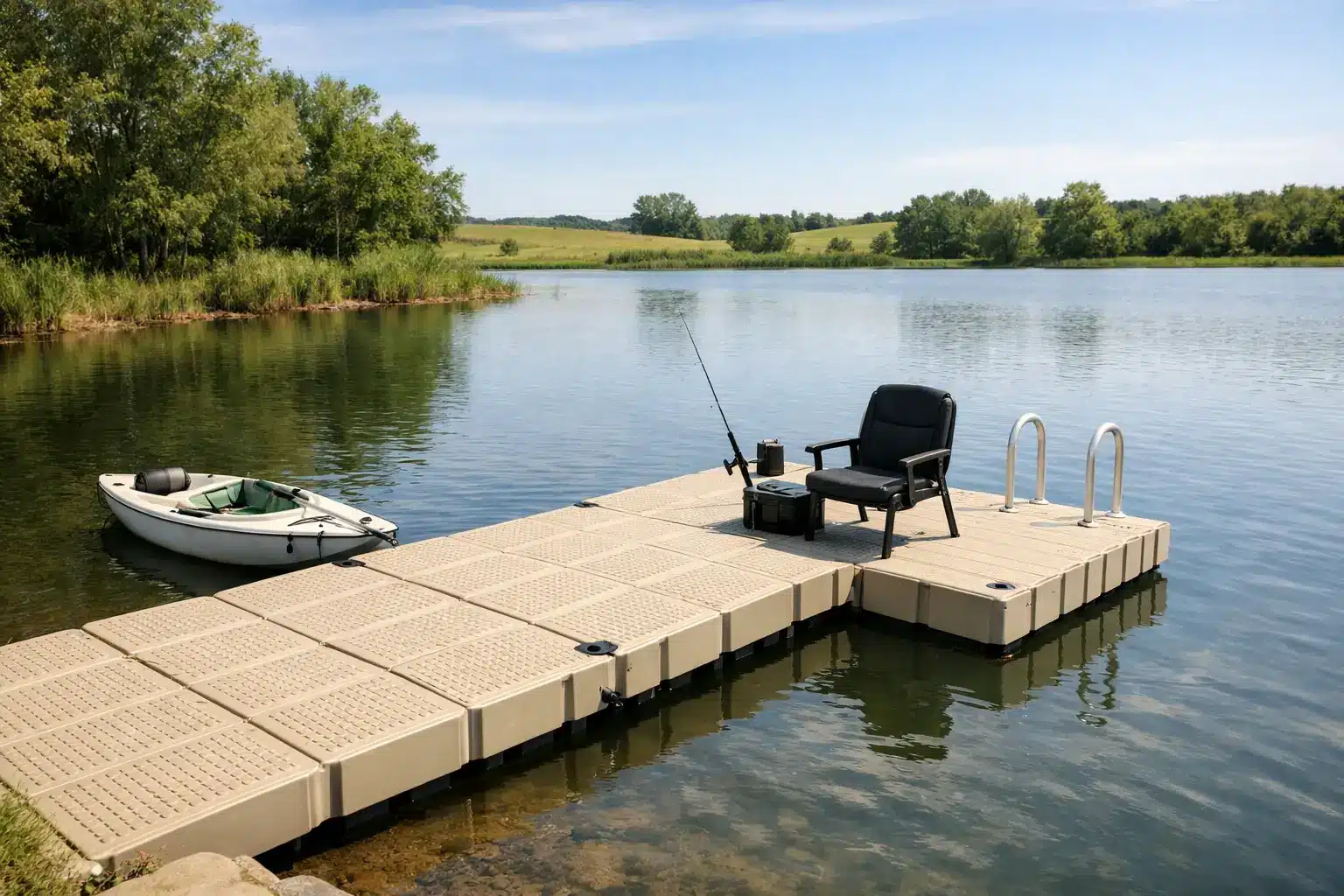
A stock pond dock has to work harder than it looks. It may serve as a fishing platform at sunrise, a place to launch a kayak in the afternoon, and a safe edge for kids and guests during a weekend gathering. A modular dock for stock pond use gives ranch owners, homeowners, HOAs, and recreational properties a flexible way to create dependable water access without committing to a fixed structure that may not suit changing conditions.
The right design starts with how people will use the pond, not with a standard dock shape. Pond depth, shoreline grade, water-level changes, bank conditions, and the type of recreation all affect the layout. A well-planned floating system can provide stable access while keeping maintenance demands low for years to come.
Start With the Pond, Not the Dock
Stock ponds vary widely across Texas, Oklahoma, Arkansas, and New Mexico. Some hold fairly consistent water levels. Others rise after seasonal rain and recede during long, dry stretches. Some have steep banks and quick access to deep water, while others have gradual, muddy shorelines that make entry more challenging.
Before selecting dock sections or accessories, assess where the usable water begins. A dock that reaches water in spring but sits near the shoreline in late summer will not deliver the access you expect. Measure the water depth along the intended path, consider the typical high and low water marks, and identify whether the pond bottom is firm, silty, rocky, or uneven.
Bank stability matters, too. Heavy foot traffic can wear down a pond edge over time, especially where people step on and off a dock. A properly designed gangway or transition section can help create a safer connection from shore to the floating platform while reducing pressure on the bank itself.
Why a Modular Dock for a Stock Pond Fits Changing Conditions
A fixed pier can be a reasonable choice when water levels are stable and the shoreline is predictable. But stock ponds often change. A floating modular dock rises and falls with the water, helping preserve a more consistent boarding height for fishing, paddling, swimming, and small watercraft access.
Modular construction also gives property owners room to adjust. A simple straight walkway can later become an L-shape fishing dock. A wider platform can be added for seating or swimming. A kayak launch, ladder, railing, bench, or dock box can be incorporated as the pond becomes a more active part of the property.
That flexibility is especially useful for ranches, private communities, campgrounds, and event properties. The dock can be configured around the way the water is actually used rather than forcing every use into one narrow walkway.
There is a trade-off: modular systems need a thoughtful anchoring plan. A floating dock is designed to move vertically with water levels, but it should not drift, twist, or migrate across the pond in wind. The right anchoring approach depends on pond depth, shoreline conditions, anticipated water-level range, and the size and shape of the dock.
Plan the Layout Around Real Use
A stock pond used primarily for fishing needs something different than one used for paddle sports or swimming. The most useful layouts make room for the activities that happen most often while keeping the walking path clear and predictable.
For fishing, a wider end platform is often more valuable than extra length. It gives anglers space to cast, move around one another, and set down a tackle box or cooler without crowding the access path. An L-shaped or T-shaped configuration can create separate fishing positions and help keep lines from crossing.
For kayaks, canoes, and paddleboards, prioritize a low, stable launch point with enough clear space to get in and out of the craft. A dedicated launch attachment can make boarding easier, particularly for children, older adults, guests, or anyone who does not want to balance at a pond edge.
If the pond is used for swimming, consider where people will enter the water and where they will climb back onto the dock. A swim ladder should be placed where it is easy to reach but does not interfere with fishing or boat launches. On family properties, railings may also make sense along the shore connection or selected dock edges, depending on the users and local site conditions.
Choose Enough Width for Safety and Comfort
Narrow dock sections can work for simple access, but they are less forgiving when people carry fishing gear, pass each other, or supervise children. Wider dock sections create a more comfortable walking surface and allow the dock to function as a destination rather than just a path to the water.
The best width depends on use. A quiet pond with one or two anglers may need only a straightforward walkway and small platform. A shared HOA pond, rental property, camp, or lodge may need more circulation space, clear access routes, and dedicated areas for different activities.
Think about the people who will use the dock on an ordinary day, then consider the busiest day of the year. If several family members, guests, or customers will gather on the dock at once, design for that reality. Adding width or a platform during the initial installation is often easier than trying to solve crowding after the dock is already in use.
Anchoring Is What Keeps a Floating Dock Working
Anchoring is not an accessory. It is a core part of any floating dock system. The wrong anchoring method can leave a dock difficult to access, prone to shifting, or exposed to unnecessary stress during high winds and changing water conditions.
A stock pond may use shore-side connections, driven piles, cable systems, deadweight anchors, or a combination of methods. The best choice depends on site-specific conditions. Deep water, a soft pond bottom, a steep bank, or a large water-level range may call for a different solution than a shallow pond with a firm bottom and protected shoreline.
A professional site review can identify issues that are easy to overlook from the bank. These include how the dock will sit during drought conditions, whether a gangway angle will become too steep, and where wind is likely to push the system. EZ Dock Texas helps property owners evaluate these practical details so the finished dock is designed for the pond they have, not a generic waterfront.
Build for Low Maintenance, Not Constant Repairs
Wood docks can look familiar, but they require regular attention. Boards can splinter, fasteners can loosen, and surfaces may need staining, sealing, or replacement as sun and moisture take their toll. For a pond that is used often but not checked every day, those maintenance needs can become a burden.
Modular polyethylene floating dock systems are designed for long-term outdoor use. Their textured surfaces offer traction without the routine refinishing associated with wood, and their floating design helps accommodate normal water movement. American-made components, durable connection hardware, and properly selected anchoring create a system built for regular use in demanding conditions.
Low maintenance does not mean no inspection. Check connections, anchoring components, shore access, ladders, and accessories periodically, especially after major storms or significant water-level changes. Catching a small adjustment early is the best way to protect the dock and the people who use it.
Do Not Overlook Shore Access and Accessories
The transition from land to dock is often where a project succeeds or falls short. A stable shore landing and a properly sized gangway help users step onto the floating dock with confidence. This is particularly important when the pond bank is uneven, slick after rain, or subject to erosion.
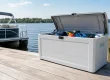
Accessories should solve real needs. A dock box keeps life jackets and fishing equipment off the ground. Solar lighting can improve visibility for evening use. A ladder supports swimming access, while a bench creates a comfortable place to fish or watch the water. If personal watercraft are part of the plan, a purpose-built port is safer and more convenient than trying to secure them along the side of a platform.
Avoid adding every accessory at once simply because it is available. Start with the uses that matter most, then choose a modular system that can grow with the property.
A Better Dock Starts With a Better Plan
A stock pond can become one of the most enjoyed features on a property when access is safe, stable, and easy to use. The right dock design accounts for the pond’s water levels, bank conditions, recreational goals, and future plans before installation begins.
Whether the goal is a quiet fishing platform, a family swimming area, or dependable access for a shared recreational pond, a modular system gives you room to adapt. Plan for how the pond will be used next season and several years from now, and the dock can remain a practical part of the property instead of another maintenance project.