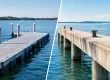
Waterfront lighting strategies in Texas should focus on safety, visibility, and durability. Proper lighting improves navigation, reduces liability risk, extends park usage hours, and enhances visitor experience without creating glare or disrupting nearby environments.
Key Takeaways
- Lighting directly impacts safety and liability exposure
- Even coverage is more important than brightness
- Durable fixtures reduce maintenance costs
- Lighting extends usable park hours
- Poor lighting creates hidden safety risks
Why This Matters
Texas parks and waterfronts are increasingly used beyond daylight hours. Without proper lighting, these spaces become:
- Safety risks
- Underutilized assets
- Liability concerns
Lighting is one of the simplest upgrades that improves both safety and usage immediately.
Common Mistakes to Avoid
- Over-lighting causing glare and visibility issues
- Inconsistent lighting coverage
- Using fixtures not rated for outdoor/water environments
- Ignoring maintenance access
- Poor placement near water edges
- Not lighting transitions (ramps, entry points)
- No backup or redundancy planning
Best Practices
1. Prioritize Even Lighting Coverage
Avoid dark spots, especially around:
- Docks
- Boardwalks
- Access points
2. Focus on Key Zones
Light:
- Entry and exit areas
- Pathways
- Gathering areas
3. Use Durable, Weather-Resistant Fixtures
Texas heat and storms require:
- UV-resistant materials
- Corrosion-resistant components
4. Minimize Glare
Lighting should:
- Illuminate surfaces
- Not blind users
5. Plan for Maintenance Access
Fixtures should be:
- Easy to inspect
- Easy to replace
Maintenance & Operations Plan
Weekly
- Check for outages
Monthly
- Clean fixtures
- Inspect wiring
Quarterly
- Test full system performance
Annually
- Replace aging components
Budget & Planning Notes
- Lighting is relatively low-cost compared to structural upgrades
- Energy-efficient systems reduce long-term costs
- Plan for replacement cycles (5–10 years)
- Include maintenance labor in OPEX
Safety & Liability Considerations
Poor lighting increases:
- Slip and fall incidents
- Navigation errors
- Security concerns
Well-lit areas reduce claims and improve perceived safety.
FAQ
What are the best waterfront lighting strategies in Texas?
Focus on even coverage, durable fixtures, and lighting key access areas.
How much lighting is enough?
Enough to eliminate dark zones without creating glare.
Should docks be fully lit?
Yes, especially walking surfaces and edges.
What type of lighting works best outdoors?
Weather-resistant, energy-efficient fixtures.
How often should lighting be inspected?
Weekly checks with monthly maintenance.
Does lighting reduce liability?
Yes, it improves visibility and reduces accidents.
What is the biggest mistake?
Uneven lighting that creates hidden hazards.
Can lighting extend park hours?
Yes, significantly.
Checklist
- Identify key lighting zones
- Ensure even coverage
- Install durable fixtures
- Minimize glare
- Light transitions and edges
- Schedule inspections
- Plan maintenance access
- Budget for replacement
- Monitor outages
- Review annually
Waterfront lighting strategies in Texas are one of the fastest ways to improve safety, usability, and public confidence in your facilities. The right approach reduces risk while extending how and when spaces can be used. If you’re evaluating upgrades, EZ Dock Texas can help guide waterfront planning decisions. Contact here: https://ezdocktexas.com/contact/ or follow here: https://www.facebook.com/EZDockTX/