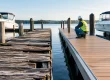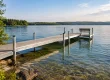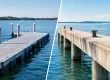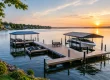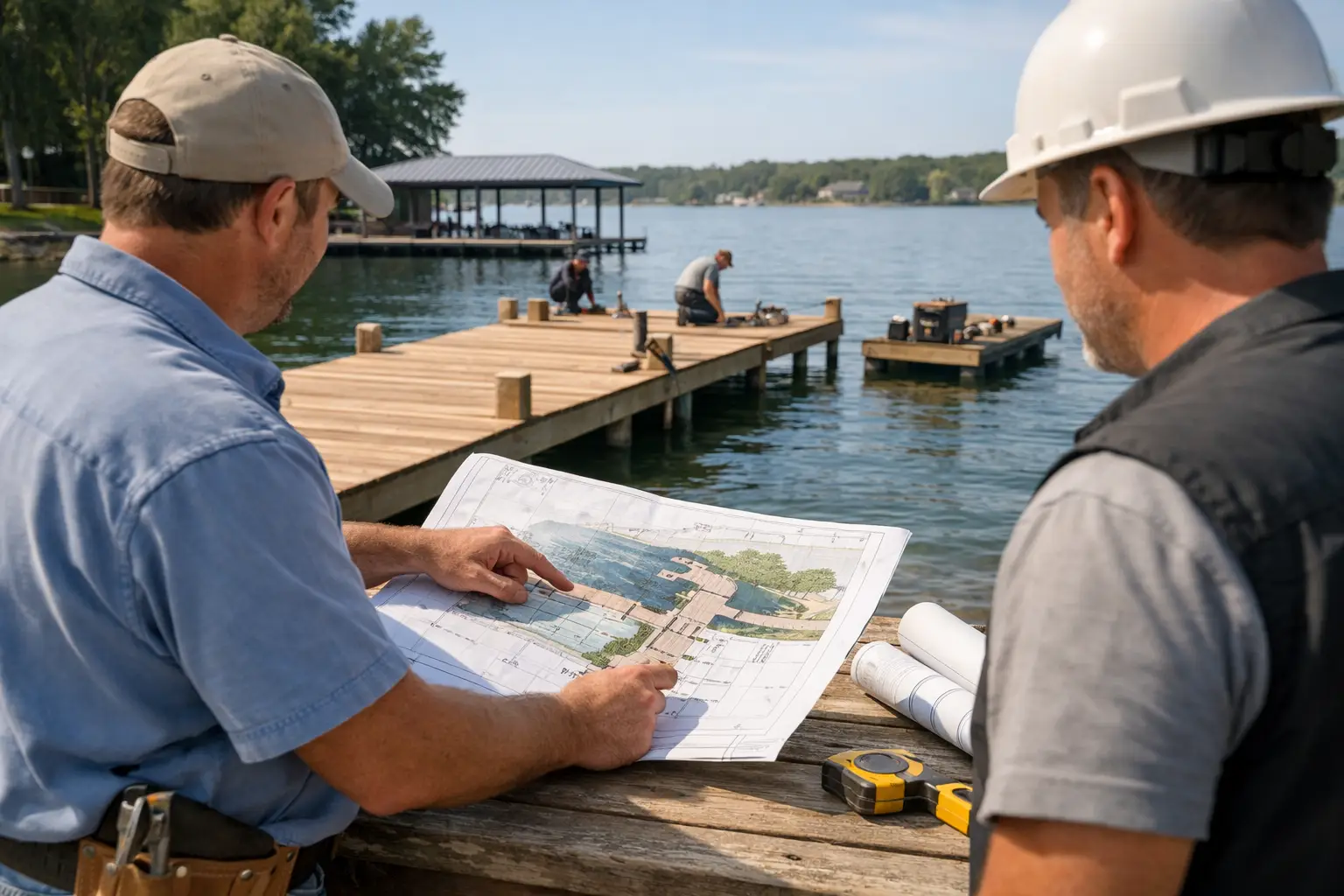
A dock can look straightforward from shore, but the waterline tells a more complicated story. A reservoir that drops several feet, a wind-exposed shoreline, soft lakebed soils, or a steep bank can all change what a dock needs to do. Experienced Texas dock installers begin with those conditions, then build a system around how people will actually use the waterfront.
For a homeowner, that may mean a stable path to the boat, a safer place for children to fish, and a launch point for kayaks. For a marina, park, campground, or municipal facility, it may mean ADA-conscious access, reliable circulation, durable slips, and a layout that can expand as demand grows. The best dock is not simply the one that fits the shoreline today. It is the one designed to keep working as water levels, users, and needs change.
Choosing Texas Dock Installers Starts With the Site
Dock installation is not a one-size-fits-all construction project. Two neighboring properties can require very different layouts because of water depth, shoreline grade, prevailing wind, exposure to boat wakes, or seasonal water fluctuation. A proper site review should account for more than the distance from shore to open water.
Water Levels Set the Direction
Many Texas lakes and reservoirs experience meaningful seasonal changes. A fixed dock may become too high above the water during a drawdown or partially submerged when levels rise. Floating dock systems rise and fall with the water, which makes them a practical fit for fluctuating conditions. Still, the floating platform is only part of the solution.
The gangway must maintain a manageable slope through expected water-level changes, and the anchoring system must hold the dock in its intended position. On a property with a long walk to water during low levels, a modular configuration may allow the dock to extend farther out over time. On deep water, a different stabilization approach may be needed than on a shallow, protected pond.
Shoreline Access Matters as Much as the Dock
A dock that feels stable on the water can still be difficult to use if getting to it is uncomfortable or unsafe. The shoreline transition should consider grade, erosion, footing, handrails, and the needs of everyone using the property. A family with young children may prioritize railings and a wide, secure gangway. A public facility may need accessible routes, transfer areas, and layouts suited to a broader range of visitors.
Access requirements should also guide where the dock begins. Placing a dock at the nearest point to the water is not always the best choice if that location has a steep slope, poor soil conditions, or heavy wave exposure. A slightly longer route can create a much better long-term waterfront experience.
Anchoring Is a Design Decision, Not an Afterthought
Anchoring keeps a floating dock positioned, aligned, and functional. The right approach depends on water depth, bottom conditions, water-level movement, fetch, wave action, and the size of the dock system. Pipe anchoring can work well in many protected, shallower locations. Cable or pile-based solutions may be more appropriate for deeper water, significant fluctuation, or high-load environments.
This is one area where installation experience matters. An anchor system that is undersized or poorly matched to the site can allow excessive movement, place stress on components, and make the dock less comfortable to use. A well-designed system balances holding power with the flexibility a floating dock needs to move naturally with changing water levels.
Match the Dock Layout to How People Use It
The strongest dock designs start with the daily use case. A fishing dock, swim platform, boat access point, and public kayak launch may all use modular floating components, but they need different layouts and accessories.
A residential lakefront dock may include a broad platform for fishing and gathering, a boat port for easier docking, a personal watercraft port, and a ladder for swimmers. If the family adds a second boat or more watercraft later, modular sections can often be reconfigured or expanded instead of replaced.
For commercial and public properties, circulation becomes more important. Guests need clear routes around slips, employees need practical access for operations, and operators need durable components that stand up to repeated daily use. Marinas and resorts may need multiple slips, boarding areas, lighting, dock boxes, and protective features that help keep traffic organized. Parks may benefit from low-freeboard kayak and canoe launches that make entering and exiting the water more manageable.
A good installer will ask practical questions before finalizing a layout: Will users fish, swim, or board boats from the same area? Is the dock used year-round? Does the property host events? Will a rescue team, maintenance crew, or delivery vehicle need access? Are future additions likely? These details affect dock width, connection points, traffic flow, and where accessories belong.
Why Modular Floating Docks Offer Long-Term Flexibility
Traditional wood docks can require regular attention to boards, fasteners, staining, splinters, and structural wear. They can also be difficult to adapt when waterfront use changes. Modular floating docks offer a different ownership model: durable sections connect to create a customized platform, then can be reconfigured as needs evolve.
That flexibility is valuable for more than recreation. An HOA may add a second kayak launch after residents request one. A fishing lodge may expand its boarding area. A municipality may need a temporary extension for an event or seasonal program. With a modular system, the project can be planned in phases rather than forcing every future decision into the first installation.
Material selection still matters. American-made polyethylene dock sections are designed to resist rot, splinters, and many of the maintenance demands associated with traditional dock materials. Textured surfaces can improve traction, while integrated connection systems help create a stable, unified platform. The value is not that a dock requires no care at all. It is that routine ownership is typically simpler and more predictable.
Professional Installation Protects the Investment
A dock system is only as dependable as its layout, connections, anchoring, and shore interface. Professional installation helps ensure the dock is assembled correctly, secured for site conditions, and configured for safe access. It also reduces the risk of solving one problem while creating another, such as selecting a gangway length that works at normal water level but becomes too steep during a drawdown.
For larger projects, installation planning should include delivery access, staging space, site constraints, and any applicable approvals. Public agencies, parks, and institutional buyers may also need support aligning specifications with procurement processes. EZ Dock Texas brings more than two decades of regional design and installation experience to projects ranging from private lake homes to public waterfront facilities.
There are situations where a self-installed dock may be appropriate, particularly for a small, protected waterfront with straightforward access. Even then, it is wise to get guidance on anchoring, configuration, and anticipated water-level changes. The cost of correcting a poorly planned layout later can exceed the cost of getting the design right from the beginning.
Prepare for a Better Design Consultation
Before requesting a quote or design recommendation, gather the details that will shape the project. Clear photos from the shore and water are useful, as are approximate water depths near the proposed dock location. If known, document the typical high and low water levels, the shoreline material, and any concerns about wind, wakes, or erosion.
Bring a clear picture of intended use as well. The most helpful planning information includes:
- The boats, personal watercraft, kayaks, or canoes the dock will support
- The number and type of users expected during normal and peak activity
- Whether fishing, swimming, boarding, storage, or events need dedicated space
- Any accessibility, safety, railing, lighting, or security needs
Also consider what may change in the next few years. A dock does not need to be built to its maximum size on day one, but the initial design should leave sensible options for growth.
When Temporary Dock Rental Is the Better Answer
Not every waterfront need calls for a permanent installation. Regattas, festivals, construction work, emergency response staging, seasonal programming, and temporary access needs can all benefit from dock rental. A rental system can provide a functional platform without committing to a permanent layout before the use case is proven.
For event organizers and public agencies, temporary docks can create designated launching, boarding, or waterfront activity areas. The key is the same as with a permanent project: start with water conditions, user flow, and safety requirements rather than selecting equipment based on appearance alone.
A durable dock should make time on the water easier, whether it serves one family, a busy marina, or an entire community. Start with the shoreline conditions, define how the space needs to work, and choose a system that can keep pace with the water and the people who use it.