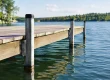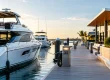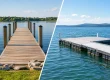
A floating dock can look solid from shore and still feel wrong underfoot. Excessive movement, a poorly placed gangway, loose connections, or an anchor system that does not match the waterbody can turn a useful waterfront feature into a daily concern. Secure floating platforms are designed as complete systems, not as a collection of dock sections. The platform, connections, anchoring, access points, and intended use all have to work together.
For a private lake homeowner, that may mean a stable place to board a boat or launch a kayak. For a marina, public park, camp, or municipal facility, it can mean reliable access for hundreds of visitors with different mobility needs. The right design begins with how people will use the waterfront and the conditions the platform must handle over time.
Stability starts below the deck
A floating platform moves because water moves. Wind, wakes, changing water levels, boat traffic, and current can all affect the feel of a dock. The goal is not to eliminate every bit of motion. A properly designed floating system should rise and fall with the water while remaining controlled, predictable, and comfortable to use.
Platform size and configuration matter first. Larger connected dock areas generally provide a more planted feel than a narrow, lightly supported walkway. The layout must also distribute anticipated loads. A fishing pier with groups standing along one edge, a swim area with children entering and exiting the water, and a boat slip with frequent passenger traffic all load a platform differently.
The dock surface matters as well. Textured, slip-resistant polyethylene decking provides dependable footing without the splinters, loose fasteners, and recurring refinishing associated with many wood dock surfaces. A low-maintenance surface is not only a convenience. It helps preserve safe traction as the years pass.
Connection hardware controls movement
Individual floating dock sections need connections that allow the system to flex as conditions change without separating, rattling excessively, or creating uneven transitions. Quality couplers and properly installed hardware help sections act as one connected platform while still accommodating normal water movement.
This is especially important on longer walkways, L-shaped docks, boardwalks, and multi-slip marina layouts. More sections do not automatically make a system less stable, but every connection must be selected and installed for the layout, exposure, and expected use. A dock intended for occasional family recreation does not face the same daily demands as one serving a rental fleet or public launch area.
Choose an anchoring method for the site
Anchoring is the foundation of secure floating platforms. It keeps the structure where it belongs while allowing it to respond to changes in water level. There is no single best anchoring method for every shoreline, reservoir, pond, or marina basin.
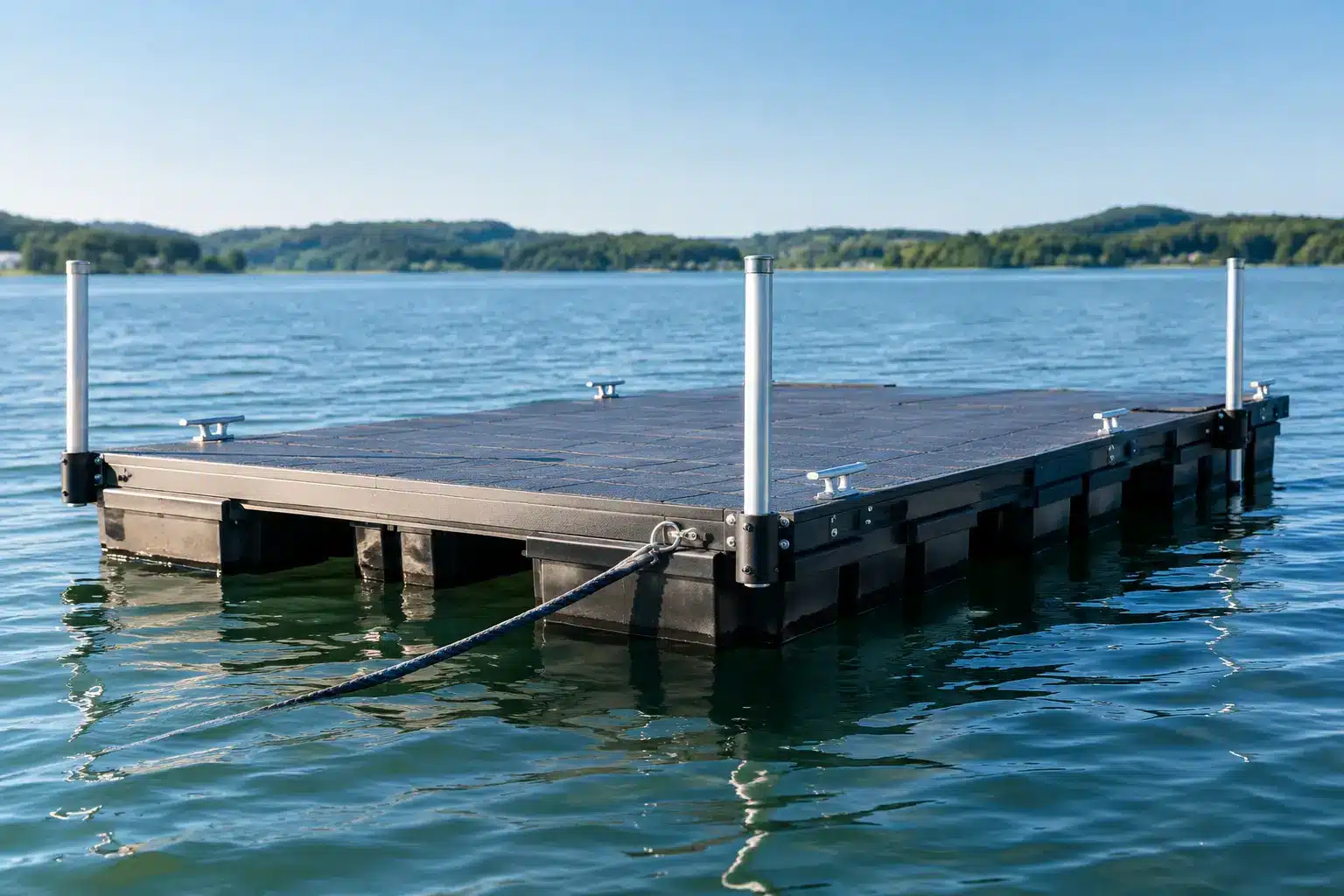
Pipe anchoring is often a practical option in shallower water where the lake or pond bottom can support driven or sleeved pipes. The dock travels up and down along the pipes as water levels change, helping maintain its position. In other locations, cable or deadweight anchoring may be a better fit, particularly where water is deeper, bottom conditions make pipe installation impractical, or seasonal levels fluctuate substantially.
For deep water, exposed shorelines, and reservoirs with large elevation changes, engineers and experienced dock designers may consider combinations of anchoring approaches. Shore attachments, cables, winches, and carefully positioned anchor points can all play a role. The correct answer depends on water depth, bottom composition, fetch, wave exposure, shoreline geometry, and the amount of seasonal drawdown.
A common mistake is sizing an anchor system only for calm-day conditions. The system should be planned for the forces it will experience when strong winds push across open water, when wakes reach the shoreline, and when water levels are at their highest or lowest expected points. A dock that stays in place during those conditions is far more likely to provide confidence the rest of the year.
Secure access is part of the platform
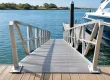
People usually notice the dock first, but the transition from land to water is just as important. A gangway must provide a safe, usable path from the shoreline or fixed structure to the floating platform. As water rises or falls, the gangway angle changes. A gangway that is acceptable at one water level may become too steep or uncomfortable at another.
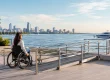
Length, width, handrails, transition plates, and landing areas should be considered early in the design. Public facilities, parks, camps, and institutions may also need to account for accessibility requirements and the user groups they serve. That can include young children, older adults, anglers carrying gear, paddlers moving boats, or guests using mobility devices.
For residential docks, access planning often improves everyday use just as much as it improves safety. A properly sized gangway, a stable shore connection, and well-placed handrails make a dock easier to enjoy for every member of the family. They also make it simpler to carry coolers, fishing equipment, life jackets, and paddleboards without feeling rushed or off balance.
Match equipment to the activity
A flat dock is useful, but specialized equipment can make waterfront access more controlled and less physically demanding. Boat ports keep personal watercraft or small boats protected and ready to launch. Kayak and canoe launches can create a more stable entry point than stepping into a boat from a standard dock edge. Ladders provide a clear route back onto the dock for swimmers, while railings help define walkways and protect elevated areas.
Lighting also deserves attention. Low-profile dock lighting can improve visibility around changes in elevation, gangway connections, and dock edges after sunset. It should be positioned to support safe movement without creating unnecessary glare across the water or into nearby homes.
The best accessories are not add-ons chosen at the end of a project. They are part of a layout built around real behavior. Consider where people will step aboard, tie off, sit, fish, launch, swim, carry equipment, and return to shore.
Design for changing conditions, not just opening day
Waterfront projects often need to perform across conditions that are hard to predict from a single site visit. In Texas, Oklahoma, Arkansas, and New Mexico, lake levels can shift significantly, storms can create sudden wave action, and heat can accelerate wear on poorly chosen materials. A secure platform should be designed for the location’s full operating range.
Modular floating docks are valuable because they can be reconfigured as needs change. A homeowner may start with a simple walkway and add a swim platform, boat port, or fishing extension later. A marina may adjust slips, expand a launch area, or create a temporary event-access route. That flexibility is useful, but it works best when the initial platform and anchoring plan leave room for future changes.
Low-maintenance materials also protect long-term value. American-made polyethylene dock sections resist rot, corrosion, and insect damage, and they do not require the repeated staining and board replacement common with wood structures. Routine inspections are still necessary. Dock ownership is easier when maintenance consists of checking connections, anchoring components, gangway hardware, and accessories rather than rebuilding the deck every few seasons.
A practical inspection routine
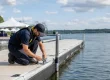
A secure floating platform deserves attention before small issues become costly repairs. Owners should inspect the system at the beginning of the active season, after major storms, and whenever they notice a change in movement or alignment.
Look for worn or damaged couplers, loose hardware, shifting anchor lines, bent pipes, frayed cables, and changes at the shore connection. Check that ladders, railings, cleats, lighting, and dock-mounted equipment remain firmly attached. Remove debris caught around the platform or anchoring system, since accumulated limbs and vegetation can change how water moves around the dock.
If the platform has begun drifting, sitting unevenly, or moving more than usual, do not assume the dock sections are the problem. The cause may be an anchor adjustment, a water-level change, shoreline erosion, or a connection that needs service. Addressing the source is the best way to restore stability.
Get the layout right before installation
The strongest dock projects begin with questions, not a catalog selection. What will the platform support? How much water-level variation should it accommodate? Is the area protected or exposed to long wind fetch? Will children, guests, customers, or the public use it? Does the shoreline allow for a gradual gangway approach? Are future additions likely?
Those answers shape the platform size, configuration, anchoring method, access equipment, and installation plan. They also help avoid undersizing a system that will quickly become too small or selecting components that do not suit the site.
EZ Dock Texas helps property owners, operators, and public agencies turn those site conditions into a dock system built for the way the waterfront will actually be used. A well-planned floating platform should not demand constant attention. It should give people a dependable place to get on the water, spend time there, and come back to shore with confidence.