A waterfront can be beautiful and still be difficult to use. A steep bank, an unstable ramp, a narrow boarding area, or a dock stranded by changing water levels can turn a valuable amenity into a barrier. Today’s waterfront accessibility trends focus on solving those practical problems with systems that welcome more users, hold up over time, and adapt as the site changes.
For homeowners, that may mean making it easier for grandparents and young children to reach the boat. For a marina, campground, park, or municipality, it may mean creating dependable access for paddlers, anglers, mobility-device users, school groups, and emergency personnel. The strongest projects do not treat accessibility as an add-on. They build it into the layout, connection points, surface selection, and long-term maintenance plan from the start.
Waterfront Accessibility Trends Start With Flexible Design
Fixed waterfront structures have a place, especially where water elevation remains predictable. Across Texas and the surrounding region, however, reservoirs, lakes, ponds, and riverfronts can rise and fall substantially. A fixed deck may sit too high above the water at one point in the year and become difficult to reach at another.
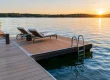
That is why modular floating dock systems continue to shape waterfront accessibility trends. Because the dock rises and falls with the water, the boarding relationship between a boat, kayak, launch, or dock surface stays more consistent. The shore connection still needs careful planning, but a floating system reduces the dramatic changes that can make a waterfront difficult to use.
Modularity also allows a system to change with its users. A family may begin with a swim platform and boat slip, then add a kayak launch or handrails as needs evolve. A park may install a primary fishing pier and later extend a floating boardwalk to connect a new trail or overlook. Rather than replacing the entire waterfront structure, owners can often reconfigure or expand the layout.
That flexibility matters most when it is planned early. A dock designed only for one boat and one path of travel can become cramped quickly. A well-considered layout leaves room for circulation, turning areas, boarding zones, and future accessories without making the dock feel oversized.
A Safer Route Matters as Much as the Dock
Accessibility begins before anyone steps onto the water. The route from parking, lodging, a trailhead, or a home to the shoreline should be clear, stable, and easy to understand. Loose gravel, abrupt grade changes, slippery transitions, and narrow gates can create more trouble than the dock itself.
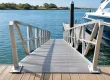
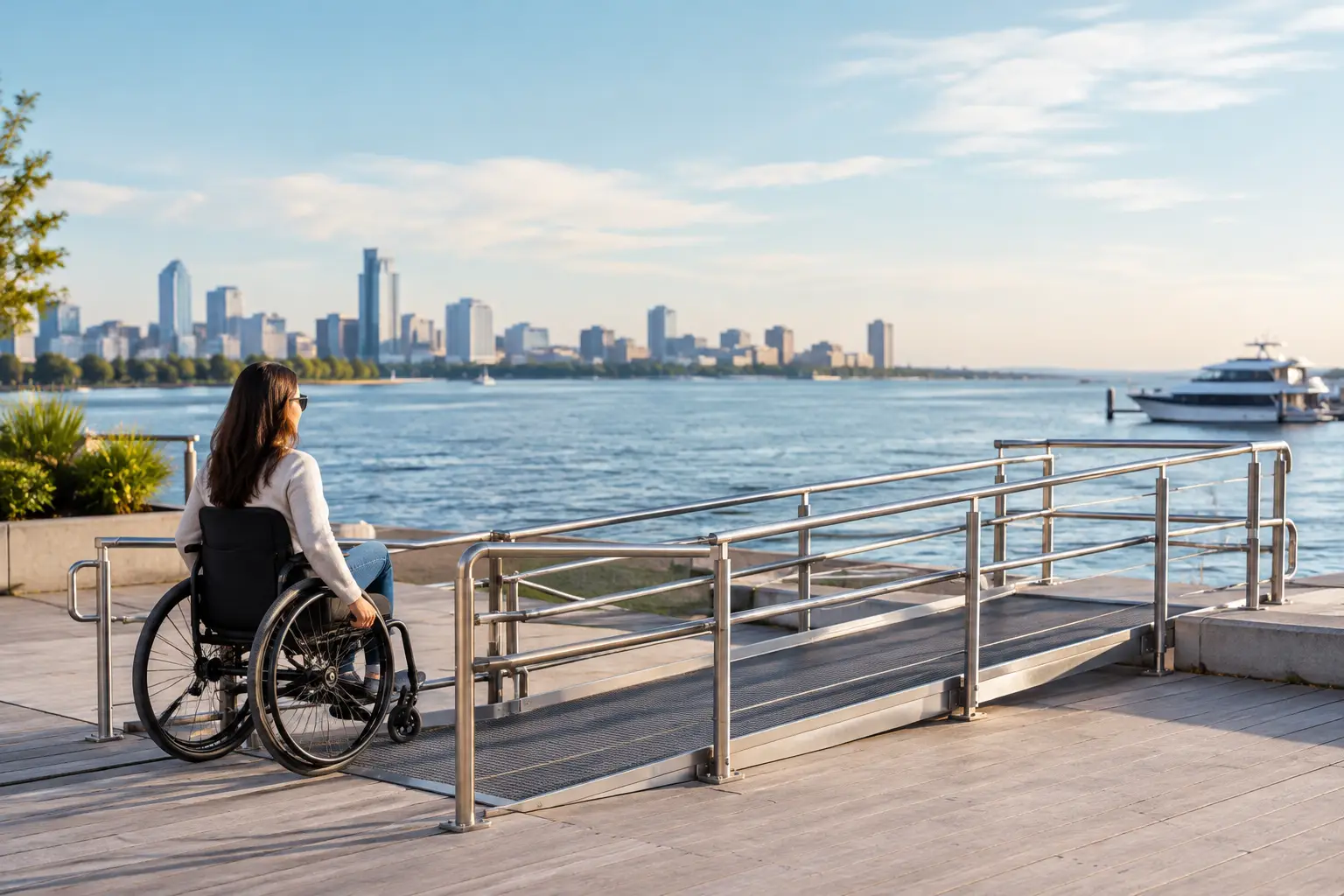
At the water’s edge, gangways deserve close attention. Their length, width, slope, handrail configuration, transition plates, and landing areas all affect how comfortably people can move between land and a floating dock. A gangway that works well at normal water levels may become too steep during low water, so projected elevation changes should be part of the design conversation.
There is no one gangway length that fits every property. The right choice depends on shoreline grade, expected water fluctuation, available space, intended users, and the anchoring approach. Longer gangways can provide a gentler slope, but they require more shoreline room and may affect the overall project budget. This is where site-specific planning protects long-term usability.
For public facilities, accessibility requirements may apply under the Americans with Disabilities Act, building codes, and local or agency standards. Those requirements vary by project type and jurisdiction. Early coordination with the owner, design team, permitting authority, and qualified accessibility professionals can prevent expensive changes later. Even for private docks, the same principles of stable travel surfaces, manageable slopes, and secure handholds often make the waterfront more enjoyable for everyone.
Handrails, Surface Texture, and Edge Awareness
Small details have a large effect near water. Handrails give users confidence on gangways and along routes where balance or elevation changes are a concern. They are particularly valuable at public launches, fishing platforms, campgrounds, and community docks with varied users.
Traction is equally important. Dock surfaces should provide dependable footing when wet, muddy, or exposed to splash. A low-maintenance, slip-resistant modular surface can be a practical choice for barefoot swimmers, anglers carrying gear, paddlers stepping out of a kayak, and staff performing routine checks.
Clear edge awareness also helps. In some settings, a contrasting border, a curb-like edge condition, lighting, or a thoughtfully placed railing can better define the travel path. The appropriate solution depends on how the dock will be used. A fishing pier needs different edge conditions than a launch intended for transferring into small paddlecraft.
Better Launches for Kayaks, Canoes, and Small Craft
Paddlesports have expanded far beyond dedicated clubs. Lake homeowners, resorts, public parks, schools, camps, outfitters, and rental operators increasingly need launching areas that are easier to use than a sloped, rocky bank or a crowded boat ramp.
An accessible kayak or canoe launch generally provides a stable location where a user can enter and exit the craft with control. Features may include a lower transfer area, handholds, guide rails, a gradual approach, or a contained launch space that limits drifting while the paddler gets situated. The best configuration depends on the craft, the experience level of users, anticipated traffic, and whether adaptive paddling is part of the program.
A standard dock edge can work for confident paddlers, but it may not work well for first-time renters, children, or users with limited balance. Adding a purpose-built launch can improve safety and move loading activity out of the main traffic path. For busy facilities, it can also reduce congestion around boat slips and swimming areas.
The same thinking applies to personal watercraft and small electric boats. Dedicated ports and boarding zones keep equipment organized while providing a predictable place to step on and off. A layout that separates launch activity from through traffic is often safer than trying to make one narrow dock serve every purpose.
Fishing Access Is Becoming More Inclusive
Fishing piers and shoreline platforms are increasingly being planned as community assets rather than simple viewing structures. Families want room to fish together. Parks want facilities that can host anglers of different ages and abilities. Lodges and campgrounds want amenities that feel useful, not merely decorative.
An inclusive fishing area considers circulation width, stable footing, rail heights, rod-clearance locations, seating opportunities, and access to the platform itself. Railings can improve safety, but a continuous tall rail may interfere with casting or visibility. A practical design may use a mix of protected areas, lower fishing sections, and open spaces based on the intended use.
Benches, shade, lighting, and nearby dock boxes can also improve the experience, especially where people spend several hours at the water. These additions are not substitutes for a sound structural design, but they can turn a basic pier into a place people return to regularly.
Lighting and Wayfinding Extend Safe Use
Waterfront activity does not end when the sun goes down. Early-morning anglers, marina guests, event crews, and families returning from an evening boat ride all benefit from lighting that defines routes without creating harsh glare on the water.
Current designs favor purposeful illumination at transitions, gangway entries, dock intersections, boarding locations, and gathering areas. The goal is to help people see changes in elevation and direction while preserving the character of the waterfront. Excessive or poorly aimed light can affect neighboring properties, night visibility on the water, and wildlife, so more fixtures are not always better.
Wayfinding can be just as simple. Clearly marking slips, launch areas, emergency equipment, restricted zones, and accessible routes helps visitors move with less uncertainty. This is particularly useful at larger marinas, public parks, and event sites where many people may be using the waterfront for the first time.
Durability Is an Accessibility Issue
A damaged surface, loose connection, corroded hardware, or unstable anchoring system creates an access problem long before it becomes a major repair. That is why durable materials and proper installation belong in any conversation about inclusive waterfront design.
Low-maintenance floating dock systems can reduce the ongoing burden of repainting, splinter repair, and seasonal adjustments associated with some traditional structures. American-made modular components, quality anchoring, and correctly selected gangways support a system that is built for repeated use rather than occasional appearance.
Still, durability is not automatic. Deep water, wind exposure, wake, shoreline conditions, ice risk, soil conditions, and water-level swings all influence the anchoring and stabilization strategy. A protected stock pond and an active marina on a large reservoir should not be designed the same way. The right system is the one matched to the site, the users, and the level of expected traffic.
Plan for the People Who Will Use It Next
The most useful waterfront projects account for change. A homeowner may age in place. A resort may add rentals. A city park may host a fishing clinic, rowing program, or adaptive recreation event. A marina may need a temporary expansion during a special event or construction phase.
Working with an experienced dock designer and installer helps turn those possibilities into practical decisions about layout, anchoring, gangways, launch equipment, railings, lighting, and future expansion points. EZ Dock Texas has helped waterfront owners and public agencies build modular systems around the way people actually use the water, not just the way a dock looks on a plan.
A well-designed accessible waterfront does more than meet a requirement. It gives more people a confident path to fish, paddle, board a boat, enjoy a sunset, or simply spend time near the water. Start with the site conditions, plan for real users, and choose components that can keep working when the water and the years change.