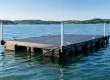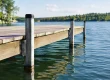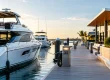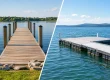
A dock can look great on installation day and still become a constant maintenance project a few seasons later. That is why a polyethylene dock durability review should look beyond surface appearance and consider how the system handles sun, changing water, impacts, foot traffic, and the demands of your specific shoreline.
For homeowners, marinas, parks, and public-access facilities, polyethylene floating docks have earned a strong reputation because they remove many of the recurring issues associated with wood and some metal dock systems. The material does not rot, splinter, or need annual staining. Still, durability is not a blanket promise. It depends on the quality of the dock design, connection system, anchoring, installation, and how the dock is used.
What Makes Polyethylene Docks Durable?
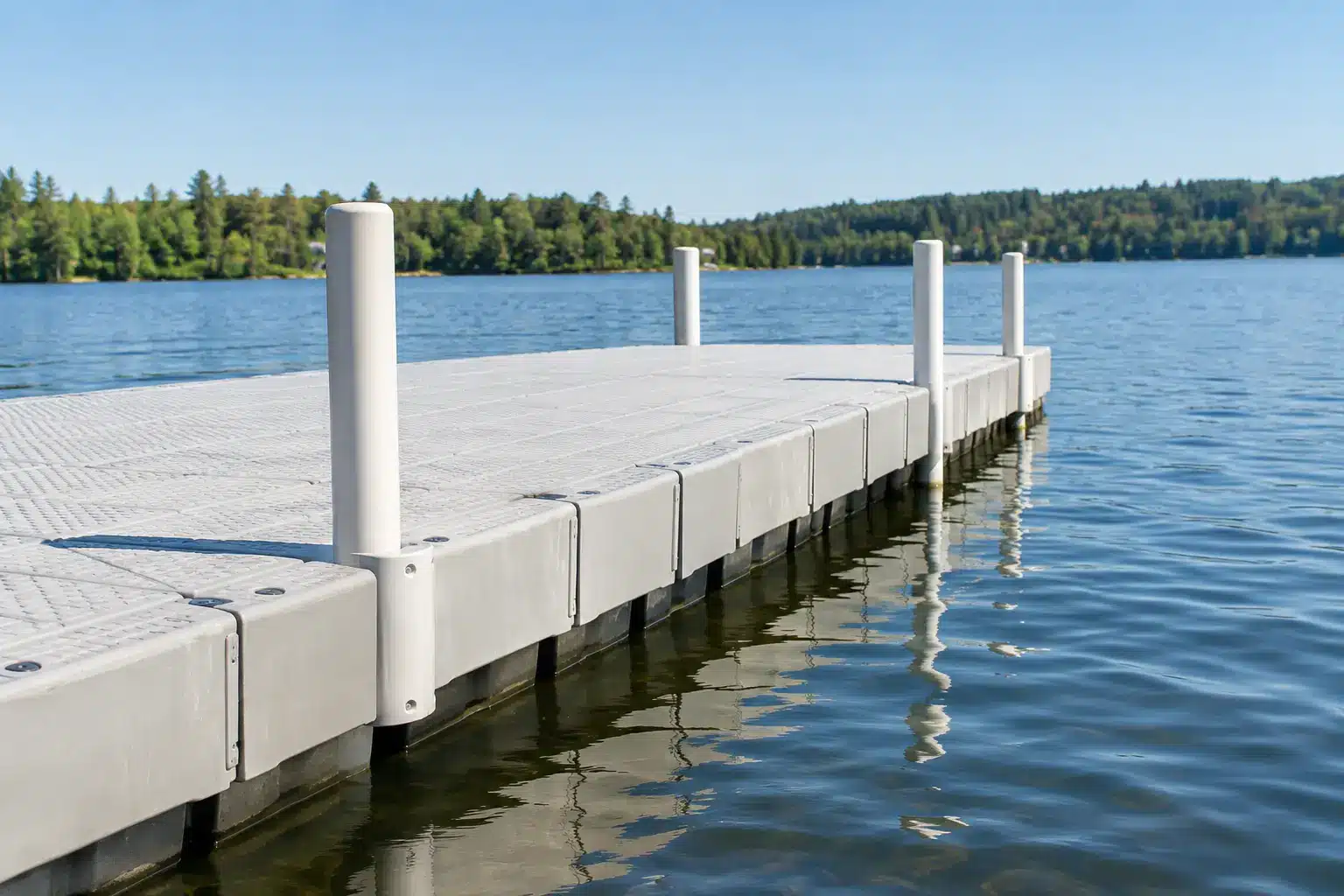
High-quality polyethylene docks are typically made from rotationally molded polyethylene. In simple terms, the dock section is molded as a single, hollow unit rather than assembled from separate planks, flotation blocks, and exposed fasteners. This creates a solid outer shell with built-in buoyancy and fewer places for water to enter or hardware to loosen.
Polyethylene is naturally resistant to moisture. Unlike wood, it will not absorb water and begin to decay. It also resists corrosion, which is especially valuable around wet hardware, changing shorelines, and locations where a dock stays in the water year-round.
The material also has useful impact resistance. A boat bump, dropped paddle, fishing gear, or a personal watercraft coming in slightly off line is less likely to create the damage that can crack brittle decking or gouge a painted surface. That does not mean polyethylene is indestructible. A hard collision, poor mooring practices, or repeated contact with unprotected metal can damage any dock. The difference is that a properly built polyethylene system is designed to tolerate everyday waterfront use without requiring constant repair.
Polyethylene Dock Durability Review: The Real Test Is Exposure
Texas, Oklahoma, Arkansas, and New Mexico waterfronts create a demanding environment for any floating dock. Long periods of strong sunlight, heat, wind, fluctuating reservoir levels, muddy banks, storm debris, and changing water conditions all affect long-term performance.
Sun and UV exposure
UV exposure is one of the first concerns buyers raise, and it should be. Unprotected plastics can fade, become chalky, and lose strength after years outside. Marine-grade polyethylene dock sections are manufactured with UV inhibitors and color molded throughout the material. This helps the dock retain its appearance and structural performance through long periods of sun exposure.
Some color change over many years is normal, particularly on docks with full southern or western exposure. Fading is primarily cosmetic when the product is engineered for outdoor marine use. It is different from wood checking, peeling paint, or a surface that requires refinishing to remain serviceable.
Heat and seasonal movement
Polyethylene expands and contracts with temperature changes. This is a normal property of the material, not a defect. Quality modular systems account for movement through engineered couplers, connection pockets, and appropriate installation spacing.
This is one reason dock layout and assembly matter. A system installed without considering expansion, wave action, or shoreline movement can put unnecessary stress on connections. An experienced dock designer evaluates the waterbody, anticipated water-level range, exposure to wind, and intended traffic before recommending a configuration.
Water, ice, and weather
Polyethylene does not rot and is unaffected by ordinary freshwater exposure. In much of the Southwest and South Central region, year-round use is common, which makes low-maintenance materials especially appealing. Where winter ice forms, a dock still needs to be evaluated for local conditions. Expanding or moving ice can exert significant force on any floating structure, regardless of its deck material.
Storm debris is another factor. A modular polyethylene dock can handle normal floating debris better than many conventional systems, but large logs, unsecured watercraft, and high-wind wave action can damage dock sections or anchoring. Durability starts with selecting an anchoring approach sized for the site, not simply choosing a tough dock surface.
The Connection System Matters as Much as the Dock Sections
A floating dock is a system, not a collection of platforms. The individual polyethylene sections may be highly durable, but the dock’s long-term performance also depends on its couplers, hinges, anchor points, gangway, and accessories.
A quality connection system should allow controlled movement while holding the layout together under normal use. Docks need to flex with waves and water-level changes. Connections that are too rigid can transfer force into the dock sections. Connections that are undersized or improperly installed can loosen, wear prematurely, or create an unstable walking surface.
Anchoring deserves the same attention. Pipe anchors may suit a protected, shallow-water location with a manageable water-level range. Cable, deadweight, stiff-arm, or other anchoring methods may be better for deeper water, steep shorelines, heavy boat traffic, or fluctuating reservoirs. There is no single best anchor for every property. The best choice is the one matched to the site and the dock’s intended use.
How Polyethylene Compares With Other Common Dock Materials
Wood remains familiar and can offer a traditional appearance, but it requires ongoing inspection, cleaning, sealing or staining, and board replacement. It can become slippery, splintered, or weakened over time. A polyethylene dock eliminates much of that recurring work, though some owners may prefer wood’s visual character for a fixed pier or covered structure.
Aluminum docks are lightweight, durable, and well suited to many applications. Their performance varies with frame design, decking type, hardware quality, and water conditions. Aluminum can be an excellent choice where seasonal removal, long spans, or certain fixed-dock designs are priorities. Polyethylene modular docks generally offer greater reconfiguration flexibility and a more unified, low-maintenance floating surface.
Foam-filled, framed floating docks can also perform well, but they often have more components exposed to weather and water. Over time, decking, flotation, framing, and fasteners may require separate maintenance. A rotationally molded polyethylene system reduces those separate maintenance points by integrating flotation and walking surface into each dock section.
The practical question is not whether one material wins in every setting. It is whether the dock material and system design fit your shoreline, water depth, access needs, budget, and maintenance expectations.
Expected Service Life and Everyday Maintenance
A well-designed polyethylene dock system is built for long-term ownership. Its lifespan will vary with installation quality, site exposure, traffic level, and care, but it is reasonable to expect many years of dependable use from a marine-grade modular system.
Maintenance is straightforward rather than nonexistent. Periodically rinse away mud, algae, and shoreline residue with water and a mild cleaner appropriate for the surface. Inspect couplers, anchors, gangways, ladders, railings, and accessory mounts at least seasonally and after major storms. Keep boats and personal watercraft properly moored so they do not repeatedly rub against the dock in wind.
Avoid harsh solvents, abrasive tools, and modifications that drill or cut into dock sections without professional guidance. Adding a boat port, kayak launch, fishing rail, dock box, lighting, or other accessory should be done with components designed for the system. Proper accessories preserve function without creating unnecessary stress points.
Where Polyethylene Docks Deliver the Most Value
Polyethylene floating docks are especially practical for properties where water levels change, layouts may evolve, or low maintenance is a priority. A lake homeowner may begin with a small swim platform and later add a walkway, boat port, or personal watercraft launch. A marina may need to revise slip access or add a kayak launch. A municipal park may need a stable boarding area with railings and accessible routes.
Modularity makes those changes possible without starting over. Dock sections can be configured into straight walkways, L-shapes, T-shapes, slips, fishing platforms, floating boardwalks, launch areas, and event-access layouts. That flexibility adds real durability value because the dock can keep serving the property as needs change.
For high-use public or commercial settings, surface traction, edge protection, load planning, accessibility, and traffic flow should be addressed early. A dock that is durable but poorly laid out can still create safety and operational problems. The strongest projects balance material performance with how people actually board boats, launch equipment, fish, swim, load supplies, or move through the site.
When a Professional Dock Review Is Worth It
A professional review is especially useful if your waterfront has deep water, a steep bank, substantial water-level fluctuation, frequent wake exposure, or a need for public access. It is also valuable when adding boat ports, PWC ports, gangways, railings, or lighting to an existing layout.
EZ Dock Texas helps property owners and facility managers assess these practical details before they become expensive corrections. The goal is not just to place a dock at the water’s edge. It is to create a system that remains stable, useful, and easier to own through the conditions your site will actually face.
A durable dock should give you more time on the water and fewer weekends spent repairing it. Start with a system sized for your shoreline and your plans five or ten years from now, then make sure the connections, anchors, access points, and accessories are designed to support it.