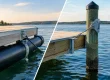
Effective waterfront management strategies focus on safety, maintenance consistency, visitor flow, shoreline protection, and long-term operational planning. Texas parks that proactively manage recreation traffic, inspections, maintenance schedules, and environmental exposure usually experience fewer closures, lower repair costs, and stronger visitor satisfaction.
Key Takeaways
- Strong operations reduce long-term waterfront maintenance pressure.
- Visitor flow directly affects safety and staffing requirements.
- Preventive inspections reduce emergency repair situations.
- Shoreline protection supports both recreation and environmental goals.
- Organized recreation zones improve operational consistency significantly.
Why This Matters
Managing a public waterfront is far more complicated today than it was twenty years ago.
Texas state parks, regional recreation systems, municipal lakes, and county waterfronts now serve a wider variety of visitors than ever before. Fishing, paddlesports, boating, hiking, swimming, sightseeing, and event activity often overlap in the same public spaces.
That increased demand creates operational pressure quickly.
Many public parks are balancing:
- Aging infrastructure
- Limited staffing
- Higher visitation
- Rising maintenance costs
- Accessibility expectations
- Environmental responsibilities
- Public safety concerns
At the same time, visitors expect waterfront areas to feel clean, organized, safe, and easy to navigate.
Facilities that fail operationally usually do not collapse overnight. Problems build gradually through inconsistent maintenance, poor circulation planning, deferred inspections, overcrowded recreation zones, and reactive management decisions.
Over time, those small issues create larger operational strain.
That is why strong waterfront management strategies matter.
The most successful Texas parks systems approach waterfront operations as ongoing infrastructure management rather than occasional maintenance projects.
They build systems around:
- Preventive maintenance
- Visitor circulation
- Recreation separation
- Shoreline protection
- Emergency response
- Inspection consistency
- Long-term planning
This operational mindset creates more predictable performance over time.
For example, parks that inspect facilities routinely often identify structural issues early before repairs become expensive emergencies. Facilities with organized visitor flow reduce congestion and staffing stress during peak recreation periods. Parks that manage shoreline access carefully usually experience less erosion and lower long-term maintenance burden.
Good waterfront management also improves public trust.
Visitors notice when recreation areas feel organized and well-maintained. Clean access points, visible inspections, reliable signage, and smooth circulation all influence how people perceive a public park system.
That perception matters for tourism, community support, and future funding opportunities.
Waterfront operations have also become more complex because recreation patterns continue changing.
Many Texas parks originally built around fishing and traditional boating now experience major growth in:
- Kayaking
- Paddleboarding
- Shoreline recreation
- Group events
- Family recreation
- Walking trails
Facilities that cannot adapt operationally often struggle with congestion, maintenance pressure, and safety concerns.
Strong management strategies create flexibility for future recreation demand instead of simply reacting to current problems.
Common Mistakes to Avoid
- Relying mostly on reactive maintenance instead of preventive planning
- Mixing incompatible recreation uses in crowded areas
- Delaying inspections during busy seasons
- Ignoring shoreline erosion until major damage occurs
- Failing to document maintenance and safety procedures
- Underestimating staffing needs during peak visitation
- Allowing inconsistent signage and visitor circulation systems
Best Practices
Build a Preventive Maintenance Culture
The strongest waterfront operations prioritize inspections before failures occur.
Routine maintenance reduces:
- Emergency repairs
- Facility closures
- Liability exposure
- Long-term repair costs
- Operational disruption
Consistency matters more than large occasional repair efforts.
Separate Recreation Zones
Fishing, swimming, paddlesports, pedestrian traffic, and boat launches all operate differently.
Facilities that organize these activities intentionally usually improve:
- Safety
- Visitor satisfaction
- Staff efficiency
- Traffic flow
- Shoreline durability
Document Operational Procedures
Parks should maintain written procedures for:
- Inspections
- Storm response
- Safety reporting
- Launch operations
- Shoreline management
- Emergency access
- Seasonal closures
Operational consistency becomes much easier when procedures are standardized.
Monitor Visitor Patterns
Traffic patterns often change faster than infrastructure.
Facilities should regularly evaluate:
- Congestion points
- Parking overflow
- Launch wait times
- Shoreline wear
- Pedestrian bottlenecks
- Event impacts
before operational problems escalate.
Plan Long-Term Capital Improvements
Waterfront infrastructure eventually ages out regardless of maintenance quality.
Parks should maintain phased capital planning tied to:
- Replacement schedules
- Visitor growth
- Accessibility upgrades
- Recreation expansion
- Maintenance forecasting
instead of relying entirely on emergency funding.
Maintenance & Operations Plan
Daily
- Inspect public access points
- Remove visible hazards and debris
- Review launch and shoreline safety
Weekly
- Inspect docks, railings, and walkways
- Review signage visibility
- Check lighting and pedestrian circulation
Monthly
- Evaluate shoreline erosion areas
- Review ADA access conditions
- Inspect high-traffic recreation zones
Quarterly
- Conduct structural inspections
- Evaluate operational staffing pressure
- Review seasonal recreation trends
Annually
- Perform full infrastructure audit
- Update long-term capital priorities
- Review safety and incident reports
Budget & Planning Notes
Strong waterfront management requires balancing operations with long-term capital planning.
Many public parks struggle financially because deferred maintenance eventually creates:
- Larger repair costs
- Infrastructure failures
- Staffing strain
- Increased liability
- Visitor dissatisfaction
Decision-makers should evaluate:
- Annual maintenance labor
- Replacement forecasting
- Recreation growth trends
- Environmental exposure
- Accessibility improvements
- Storm resilience
- Seasonal operating demands
Parks that maintain predictable maintenance schedules usually avoid the major operational disruptions tied to reactive infrastructure management.
Safety & Liability Considerations
Public waterfronts create significant liability exposure because they combine water access, pedestrian movement, changing environmental conditions, and high recreation traffic.
Facilities should maintain:
- Documented inspections
- Organized recreation zones
- Clear emergency access
- Slip-resistant surfaces
- Reliable lighting
- Strong shoreline stability
- Consistent signage systems
Most liability problems increase when maintenance or operational procedures become inconsistent.
This content is informational only and not legal advice.
FAQ
Why are waterfront management strategies becoming more important?
Texas parks are seeing increased recreation demand while managing aging infrastructure and staffing limitations.
What creates the biggest operational problems at public waterfronts?
Deferred maintenance, overcrowding, poor circulation, and inconsistent inspections create many long-term issues.
Why is preventive maintenance so important?
Small problems become expensive emergencies quickly in waterfront environments exposed to water, weather, and heavy traffic.
Should parks separate recreation activities?
Yes. Organized recreation zones improve safety, visitor experience, and operational efficiency.
How often should waterfront infrastructure be inspected?
Busy recreation areas should receive regular visual inspections weekly and broader structural reviews annually.
Why does shoreline management matter operationally?
Uncontrolled erosion increases maintenance costs, safety concerns, and environmental pressure.
How do changing recreation trends affect operations?
Growing paddlesports activity and family recreation create different circulation and infrastructure demands than traditional boating alone.
What role does visitor flow play in waterfront management?
Poor circulation increases congestion, staffing strain, and accident risk during peak periods.
Can phased upgrades improve operations?
Absolutely. Many parks modernize successfully over multiple capital cycles while maintaining public access.
What should parks prioritize first?
Safety, inspection consistency, shoreline stability, and maintenance planning should come first.
Checklist
☐ Review preventive maintenance schedules
☐ Inspect shoreline erosion conditions
☐ Evaluate visitor congestion points
☐ Review ADA accessibility routes
☐ Inspect docks and structural hardware
☐ Assess lighting and visibility conditions
☐ Review signage consistency
☐ Separate recreation activity zones
☐ Document inspection procedures
☐ Review emergency response access
☐ Evaluate staffing workload trends
☐ Forecast long-term replacement priorities
☐ Review seasonal recreation patterns
☐ Coordinate environmental shoreline planning
☐ Update operational safety documentation
As visitation continues growing across Texas state parks, county lakes, and regional recreation systems, strong waterfront management strategies are becoming essential for long-term safety, operational stability, maintenance planning, and visitor experience. Organizations evaluating waterfront operations, phased infrastructure improvements, or future recreation planning can connect with EZ Dock Texas or follow regional waterfront management discussions and project insights on Facebook.