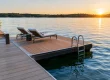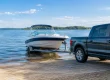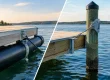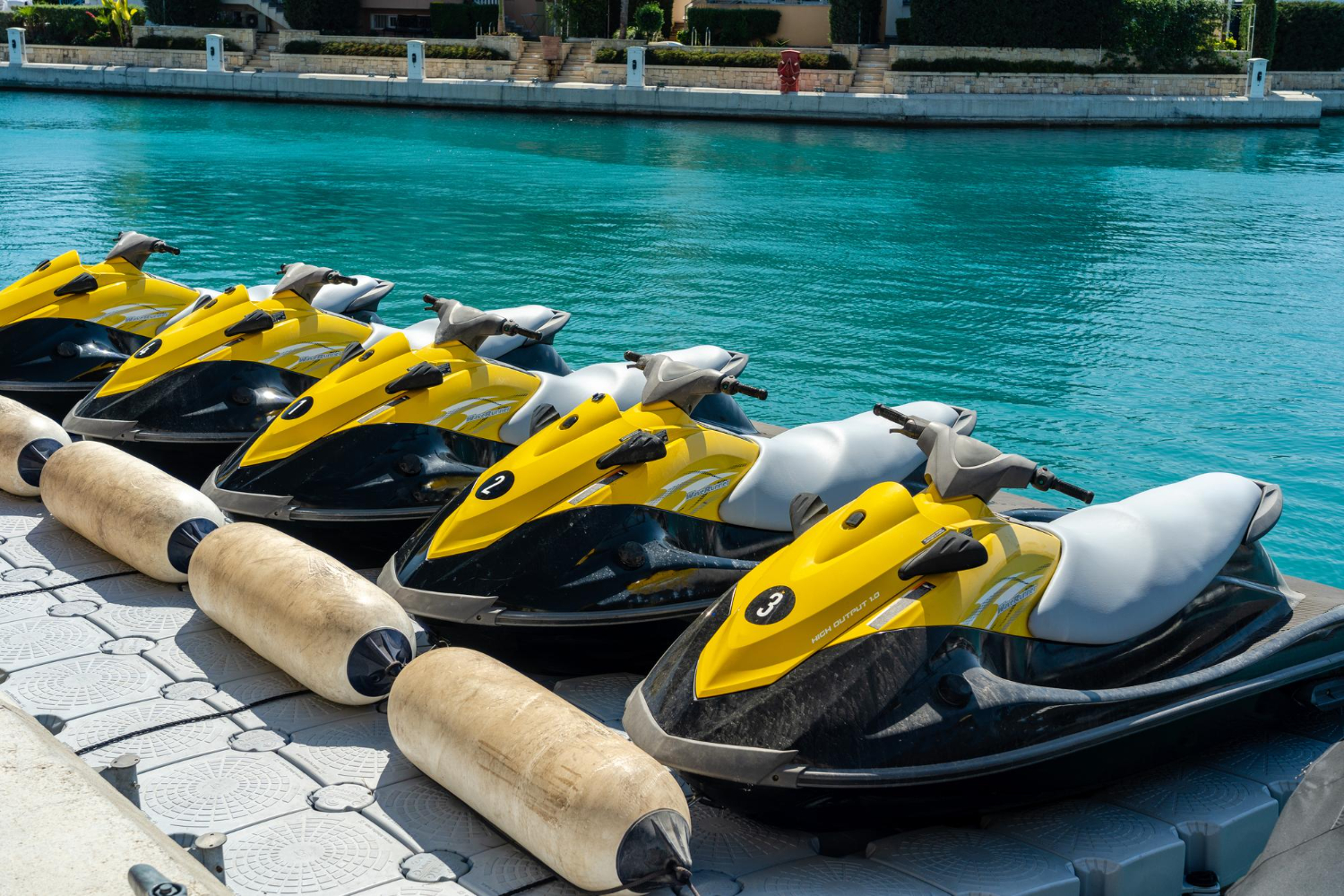
Creating a top-tier watercraft storage setup for a high-end property requires balancing ease of use, guest safety, and clean engineering design. Designing an ergonomic PWC launch system for luxury waterfront estates focuses on installing self-leveling floating ports with integrated non-slip decks, multi-level grab handles, and smooth roller entries. This specialized design keeps the port perfectly aligned with the watercraft at all times, removing the awkward bending, climbing, and lifting required by high fixed piers or traditional mechanical cradles. By utilizing modular, heavy-duty polyethylene infrastructure, estate managers can deliver an effortless drive-on experience that minimizes guest liability while protecting high-value watercraft hulls from docking damage.
The Physics of the Waterfront: Managing Site Conditions
Luxury lakefront estates and private marinas contend with continuous waterfront movement, including rolling boat wakes, shifting winds, and seasonal water-level changes. Traditional static wood docks or mechanical overhead lifts often present ergonomic challenges for users. When water levels drop, guests face steep drops and awkward transfers to get onto their watercraft, increasing the risk of slips and falls.
Additionally, rigid structures reflect wave energy, creating choppy conditions right where guests are trying to board. An engineered floating PWC launch solves these problems by moving naturally with the water surface. The system acts as a localized wave damper, stabilizing the boarding area while maintaining a consistent height between the dock deck and the watercraft’s hull, regardless of fluctuating water levels or heavy wakes.
Primary Risk and Operational Challenges
Slippery Boarding Surfaces and Fall Hazards
Traditional wood and aluminum docks quickly grow slick with algae or trap pools of water. Forcing guests to balance on a wet surface while stepping onto a moving watercraft creates an immediate liability issue for estate managers and resort operators.
Hull Scratches and Structural Damage
Standard bulkheads or unlined dock slips offer no protection against impacts during docking. Wind and waves can easily slam a jet ski against rigid dock edges, causing fiberglass cracks, gelcoat scratches, and costly repairs for your watercraft fleet.
Mechanical Downtime and Complex Controls
Traditional electric lifts rely on cables, pulleys, and remote controls that can easily jam or lose power. When a mechanical lift fails during a busy weekend, it leaves guests frustrated and strands high-value watercraft out of reach.
Engineering and Design Evaluation Criteria
Building a premium launching system for an elite property requires materials with high impact resistance to handle frequent use and accidental collisions without cracking or denting. Estate managers should choose heavy-duty, UV-stabilized linear low-density polyethylene (LLDPE) systems with a rotationally molded, hollow architecture. This advanced polymer is completely non-porous and saltwater-impermeable, meaning it will never splinter, rust, or rot, and it is entirely immune to marine boring organisms.
The anchoring system must provide excellent depth adaptability, adjusting smoothly to changing lake or coastal water levels without rigid underwater grout or permanent, unyielding anchor beds. Using heavy-duty composite couplers and flexible slide tracks allows the launch system to move quietly and fluidly, eliminating the loud squeaking and metal fatigue common with aluminum docks. This modular scalability makes it easy to add more ports or reconfigure your layout as the estate’s watercraft collection grows, ensuring a unified and clean design over time.
Best Practices for Site Integration and Longevity
A successful upscale installation starts with a thorough site review to map your shore walkways, water depths, and main viewlines. Position the PWC launch system close to your main outdoor entertainment areas, but place it on the leeward side of your main dock to protect guests from direct wind and heavy fetch.
The launch ports should connect directly to your primary floating dock infrastructure using heavy-duty, multi-point flexible rubber couplers. This configuration spreads out mechanical stress evenly across the entire system, preventing damage to individual sections during heavy weather. Set up the entry rollers to perfectly match the hull shape of your specific watercraft models, ensuring smooth, low-friction launching and docking. For winter prep or tropical storm alerts, make sure your connection hardware utilizes quick-release pins, allowing your crew to quickly unhook and move the assets to safe storage before severe weather arrives.
Site Assessment Planning Checklist
- [ ] Guest Boarding Walkway Width: Verify that the dock walkways around the ports are wide enough for guests to pass safely and comfortably.
- [ ] Water Depth Baseline: Ensure a minimum water depth of three feet at the port entrance during the lowest seasonal drawdowns.
- [ ] Surface Texture Slip-Resistance: Confirm that all walking surfaces feature a micro-textured, non-slip pattern that drains water quickly.
- [ ] Grab Rail and Handle Placement: Identify where to place extra safety grab rails to assist younger or elderly guests during boarding.
- [ ] Total Buoyancy Calculation: Calculate the required weight capacity based on the heaviest three-passenger watercraft in your fleet.
- [ ] Fastener Material Inspection: Ensure all connection brackets, nuts, and bolts are high-grade marine stainless steel or composite polymers.
- [ ] Shoreline Sightline Alignment: Arrange the ports to preserve the property’s premium waterfront views from the main house or patio.
- [ ] Local River Authority Approvals: Verify that your modular layout matches all local shoreline management regulations and footprint limits.
Frequently Asked Questions
How does an ergonomic floating launch make boarding safer for guests?
It keeps the dock deck perfectly level with the watercraft’s footwells at all times. This removes the need to climb down from a high pier, giving guests a stable, flat surface to step directly onto the PWC.
Can the drive-on launch system handle different brands and sizes of personal watercraft?
Yes. High-end modular ports feature adjustable polyurethane rollers and wide hull channels that can be custom-aligned to fit deep-V hulls, stand-up models, or large three-passenger watercraft.
Does the non-slip surface require special cleaning to stay safe and splinter-free?
No. The rotationally molded polyethylene surface completely eliminates splinters and exposed screws. A simple pressure wash or quick rinse with a hose keeps the non-slip surface clean and working beautifully.
How does the system hold up against heavy boat wake on busy waterways?
The heavy-duty modular system uses flexible rubber couplers that bend and absorb wave energy. Instead of breaking under the strain of heavy wake, the ports flex and dissipate the energy safely.
Can these drive-on ports be installed alongside an existing fixed concrete bulkhead?
Yes. Using heavy-wall aluminum or stainless steel vertical slide tracks mounted to the bulkhead, the ports can adjust smoothly to water changes while staying locked in place.
Elevating Luxury Waterfront Properties with Turn-Key Engineering Solutions
Upgrading your waterfront estate with a premium watercraft launching setup blends top-tier guest comfort with high-end marine engineering. Designing an ergonomic PWC launch system for luxury waterfront estates protects your hulls from damage, keeps your guests safe, and delivers a clean, modern look for your private shoreline.
As a premier consulting, planning, and engineering partner for elite residential developments, luxury resorts, and private marinas across Texas, EZ Dock Texas provides custom site assessments and heavy-duty floating dock infrastructure built for demanding aquatic spaces. Our professional team delivers turn-key layouts designed for long-term durability and effortless operation. To see our latest estate installations and connect with regional specialists, visit our community page on Facebook.