Waterfront recreation and conservation design in Texas requires zoning activities, protecting sensitive shorelines, managing foot traffic, and using low-impact infrastructure. The goal is to allow access without degrading habitats or increasing long-term maintenance burdens.
Key Takeaways
- Separate recreation zones from sensitive habitats
- Control access points to reduce shoreline damage
- Use low-impact infrastructure solutions
- Plan for long-term environmental sustainability
- Balance visitor experience with habitat protection
Why This Matters
Texas lakes serve multiple purposes—recreation, water supply, and ecosystem support. Poorly planned access can damage shorelines, increase erosion, and disrupt wildlife.
Balancing recreation and conservation is not optional. It protects:
- Water quality
- Wildlife habitats
- Long-term usability
Common Mistakes to Avoid
- Allowing unrestricted shoreline access
- Ignoring erosion patterns
- Overbuilding near sensitive areas
- Lack of designated recreation zones
- Poor signage and enforcement
- Short-term planning without sustainability
- No environmental impact assessment
Best Practices
1. Zone the Waterfront
Separate:
- Swimming areas
- Fishing zones
- Boat access
- Protected habitats
2. Limit Access Points
Fewer, well-designed access areas reduce:
- Erosion
- Habitat damage
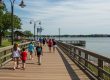
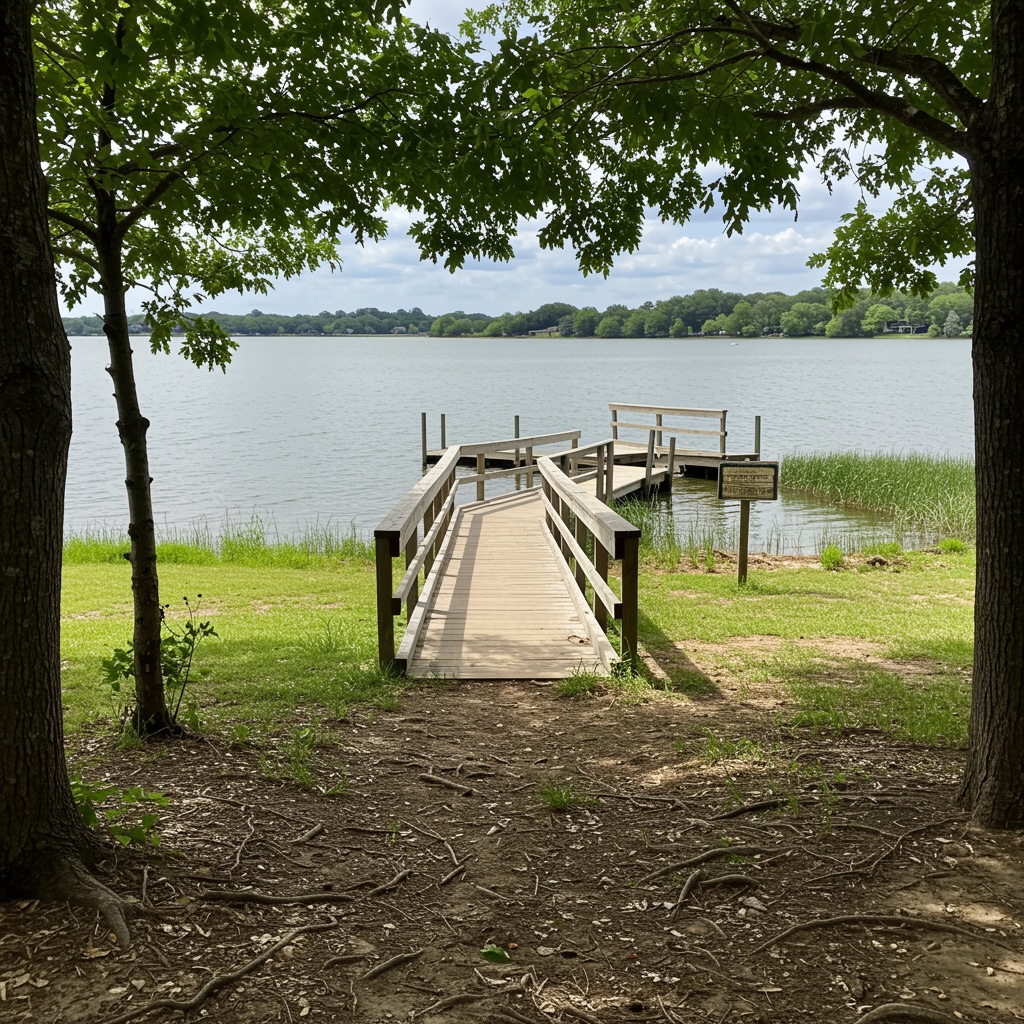
3. Use Elevated or Floating Access
Reduces shoreline impact and adapts to water levels.
4. Protect Vegetation
Native plants stabilize shorelines and support ecosystems.
5. Educate Visitors
Signage helps reduce misuse and environmental damage.
Maintenance & Operations Plan
Weekly
- Inspect high-use zones
Monthly
- Monitor shoreline erosion
Quarterly
- Evaluate habitat health
Annually
- Review conservation effectiveness
Budget & Planning Notes
- Allocate funds for erosion control
- Plan for habitat restoration
- Balance infrastructure with conservation costs
- Consider long-term maintenance savings
Safety & Liability Considerations
Environmental degradation can lead to:
- Unsafe shorelines
- Water hazards
- Increased liability
Proper design reduces these risks.
FAQ
How do you balance recreation and conservation on Texas lakes?
By zoning areas, limiting access points, and protecting sensitive habitats.
What causes shoreline damage?
Uncontrolled access, erosion, and heavy foot traffic.
Can recreation and conservation coexist?
Yes, with proper planning and infrastructure.
What infrastructure helps reduce impact?
Elevated walkways and floating access systems.
Why is shoreline vegetation important?
It stabilizes soil and supports wildlife.
How do parks control visitor behavior?
Clear signage and designated zones.
Is environmental planning required?
Often, yes—especially for public projects.
What is the biggest mistake?
Allowing unrestricted shoreline access.
Checklist
- Identify sensitive shoreline areas
- Create designated recreation zones
- Limit access points
- Use low-impact infrastructure
- Protect native vegetation
- Install signage
- Monitor erosion
- Plan for long-term sustainability
- Budget for restoration
- Review annually
Waterfront recreation and conservation design in Texas is about discipline—knowing where to allow access and where to protect. Agencies that get this right reduce maintenance, improve safety, and protect long-term value. If you’re planning a project or evaluating your shoreline, EZ Dock Texas can support smart waterfront planning. Contact here: https://ezdocktexas.com/contact/ or follow updates here: https://www.facebook.com/EZDockTX/