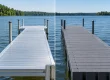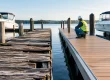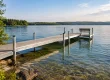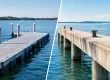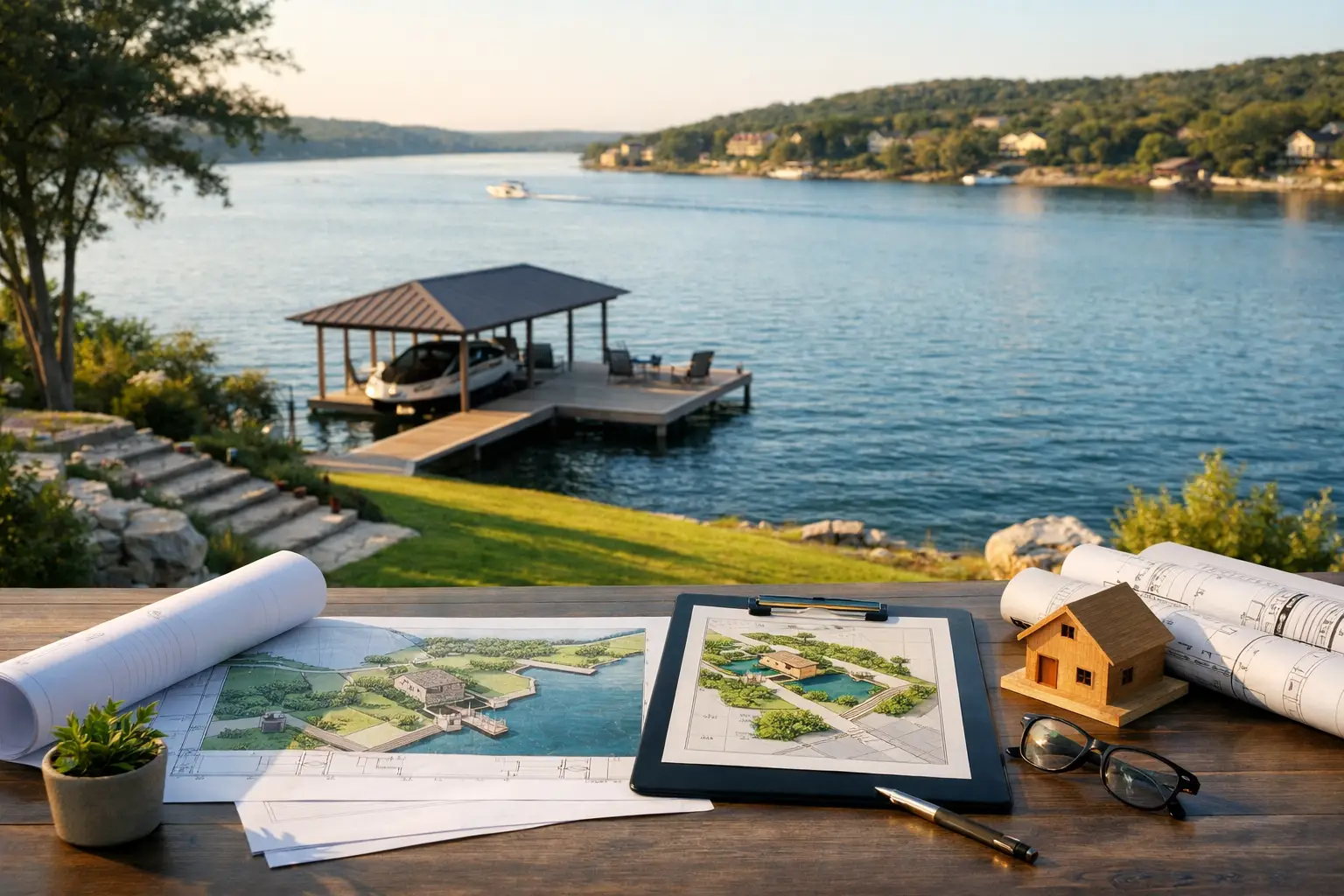
A dock layout can look perfect from the shore and still become difficult to use once the lake drops, wind picks up, or the family brings out kayaks, fishing gear, and a personal watercraft. This Texas lakefront access planning guide starts with the conditions that shape daily use, not a dock model or a standard footprint. The best waterfront systems are designed around your shoreline, water depth, intended users, and the way the water actually behaves throughout the year.
For a lake home, ranch, marina, park, or campground, the goal is the same: create access that is safe, durable, and practical for years of changing water levels and changing needs.
Start With the Shoreline and Water Conditions
Every successful access plan begins at the bank. Before choosing a floating dock, take a close look at the path from parking area or home to the water. A steep, loose, muddy, or uneven shoreline changes the type of gangway, landing, railings, and anchoring system that may make sense.
Water depth matters just as much. A shoreline that offers adequate depth in spring may leave a fixed pier or poorly planned dock high and dry during a late-summer drawdown. Many Texas reservoirs experience significant water-level changes, and private lakes and stock ponds can fluctuate with rainfall and seasonal demand. A floating dock rises and falls with the water, but it still needs a properly planned connection to shore and an anchoring approach suited to the site.
Wind exposure is another planning factor that is easy to underestimate. Open-water shorelines can see wave action that affects comfort, stability, and long-term wear. Protected coves often allow more flexibility, while exposed sites may need additional stabilization, stronger anchoring, or a layout that reduces the dock’s broadside exposure to prevailing winds.
Measure More Than the Waterline
A useful site review considers the ordinary waterline, the lowest likely seasonal level, and the high-water condition. It should also identify the lakebed slope, underwater obstructions, vegetation, overhead utilities, and the route equipment will need to take during delivery and installation.
Photos taken at different lake levels can be especially valuable. If the property has changed hands, ask neighbors, lake managers, or a local dock professional how far the water typically moves. Planning only for the level visible on installation day is one of the most common reasons a waterfront system later needs costly adjustments.
Define How People Will Use the Water
The right access system is based on use, not just square footage. A couple who primarily fish and cruise in a pontoon boat need something different from a multigenerational family with swimmers, paddleboards, PWCs, and visiting grandchildren. A public park must also account for traffic flow, durability, maintenance responsibilities, and accessibility requirements.
Start by separating primary activities from occasional ones. If boating is the priority, the main dock should make boarding, loading coolers, and tying off simple. If kayaking and paddleboarding are frequent, a low-profile launch area can make getting on and off the water far easier than balancing from a standard dock edge. If personal watercraft are part of the plan, dedicated drive-on ports protect the craft and keep the main walking surface clear.
For commercial and public facilities, think in terms of capacity. A marina may need slips, transient tie-up space, fuel access, service routes, and room for customers to pass each other safely. A camp or municipal waterfront may need a swimming area separated from motorized traffic, accessible routes, railings, ladders, and controlled entry points.
Plan for Real Traffic Patterns
A dock should not force people carrying rods, towels, life jackets, or supplies through a narrow bottleneck. Keep walking paths clear and make room where people naturally gather, such as at boat boarding points, fishing corners, or the transition from gangway to dock.
Also consider who will use the system independently. Young children, older adults, guests with limited mobility, and employees who handle equipment all benefit from stable surfaces, predictable transitions, appropriate railings, and well-placed lighting. Accessibility is not one single feature. It is the combined result of slope, width, traction, handholds, transitions, and a layout that lets people move with confidence.
Build the Texas Lakefront Access Plan Around Water-Level Change
The biggest advantage of a modular floating dock is its ability to adapt. Instead of committing every access point to one elevation, floating sections follow the water. That can make boarding more consistent across normal fluctuations and give owners flexibility to reconfigure the system as their needs evolve.
The connection from shore to dock deserves close attention. A gangway must be long enough to handle the expected vertical change without becoming excessively steep at low water. The appropriate length depends on bank elevation, anticipated lake movement, and available shoreline space. A short gangway may be convenient at full pool but difficult to use when the water drops.
Anchoring also depends on water depth, bottom conditions, exposure, and fluctuation range. Pipe anchoring, cable systems, and other stabilization methods each have a place. The right choice is not simply the one that costs less upfront. It is the one that keeps the dock positioned correctly while allowing it to respond safely to the conditions at that specific shoreline.
For deep water or highly variable reservoirs, planning may include longer gangways, additional dock sections, specialized anchoring, or a shore-side access approach that can accommodate changing elevations. This is where an experienced design and installation team adds value. The dock, gangway, anchor system, and shoreline transition need to work as one system.
Choose Materials for Long-Term Ownership
Waterfront access gets used hard. Sun, heat, moisture, wake, mud, fishing gear, pets, and repeated foot traffic can quickly expose the limitations of materials selected only for appearance or low initial price.
Low-maintenance polyethylene floating dock systems are a strong fit for many residential, commercial, and public applications because they do not rely on wood decking that needs regular staining, sealing, or board replacement. Textured surfaces can improve footing, while modular construction makes it practical to add a section, adjust a layout, or replace a component when needs change.
Durability also means selecting accessories that support the way the site is used. Railings may be appropriate on gangways or elevated transitions. Dock lighting improves visibility during evening arrivals. Ladders should be easy to locate and use from the water. Dock boxes keep life jackets, ropes, and fishing equipment from becoming trip hazards. None of these additions should be treated as afterthoughts.
American-made products can also simplify long-term planning by providing consistent component compatibility and a dependable path for future upgrades. A dock is not a one-season purchase. It should remain useful when a family adds a boat, a property changes use, or a facility expands its waterfront program.
Address Permits, Rules, and Safety Early
Before finalizing dimensions or ordering materials, confirm the rules that apply to the property. Requirements can come from a lake authority, river authority, homeowners association, municipality, state agency, utility district, or private property restrictions. Rules may address dock size, location, setbacks, shoreline alterations, navigation clearances, lighting, and the number of boat slips or personal watercraft allowed.
Public-facing projects often carry additional considerations. Parks, schools, municipalities, and government facilities may need to address accessibility standards, procurement requirements, engineering review, insurance, and operational safety policies. In these cases, early coordination is far more efficient than redesigning after a layout has been approved internally.
Safety planning should include more than compliance. Make sure the system provides clear access to the water, adequate rescue ladders where appropriate, visible edges after dark, and room for boats to approach without pushing users into a narrow corner. For swimming areas, define where motorized vessels should not travel. For marinas and rental operations, establish durable circulation routes that support both staff and guests.
Leave Room for the Next Use
The most cost-effective dock plan is often one that can grow without being rebuilt. A modular layout can begin with a main walkway and boat tie-up, then expand later with a fishing platform, kayak launch, PWC port, additional slip, or floating boardwalk connection.
This flexibility matters for homeowners, but it can be even more valuable for commercial and public operators. A resort may add rental boats. A campground may develop its waterfront program. An HOA may need additional shared access as membership grows. A temporary event may need a short-term floating platform or access route without making a permanent shoreline change.
EZ Dock Texas helps property owners and facilities plan these decisions from the first shoreline review through customized design, product selection, and installation. The right layout is not necessarily the largest dock. It is the one that gives people safer access now and a practical path to adapt later.
A well-planned waterfront should feel easy to use on an ordinary Tuesday, not just impressive in a site photo. When the shoreline, water movement, access needs, and future plans are considered together, the result is a dock system built to keep up with the water and the people who enjoy it.