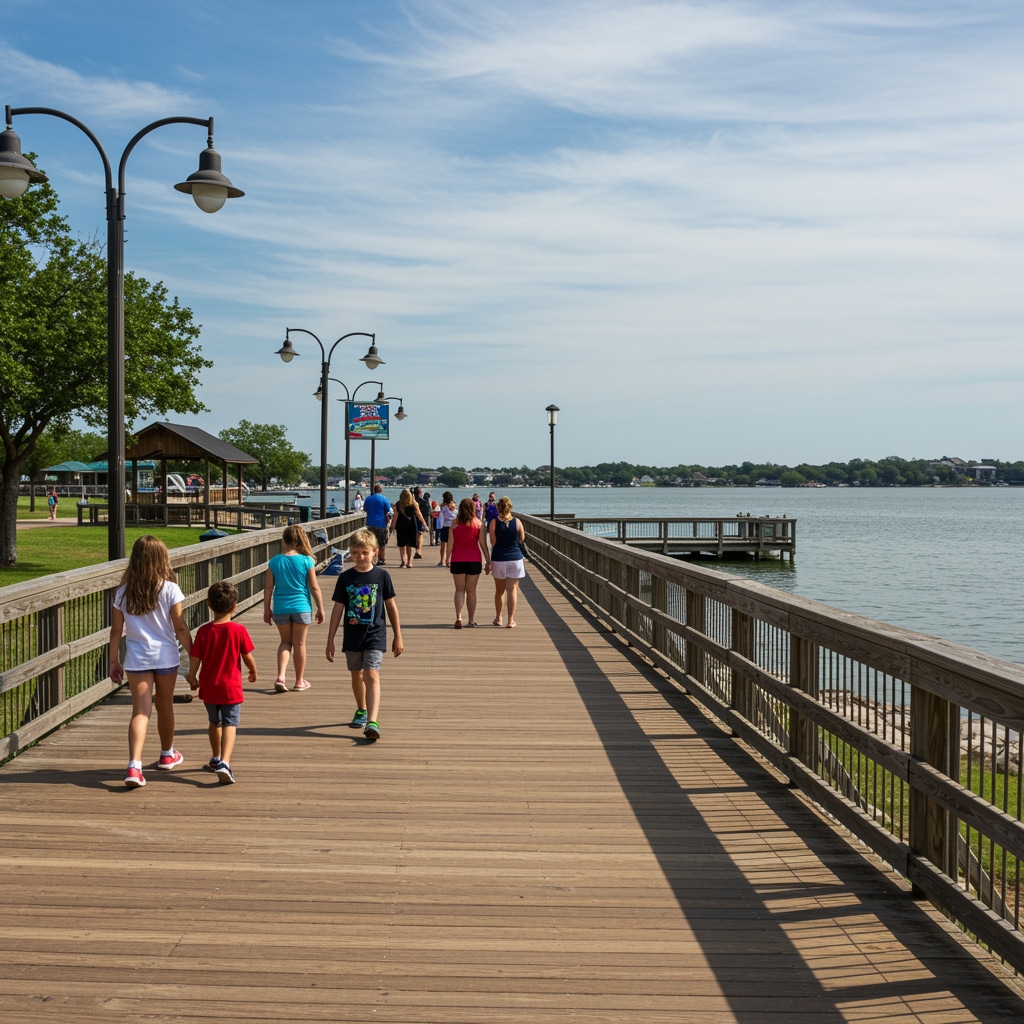
Managing foot traffic on waterfront boardwalks requires durable surfaces, clear flow design, routine inspections, and defined entry/exit points. Texas environments demand materials and layouts that handle heat, moisture, and high seasonal use while reducing congestion and safety risks.
Key Takeaways
- Design pathways to control flow, not just handle volume
- Use durable, slip-resistant surfaces for Texas climate
- Plan for peak weekends, not average use
- Separate pedestrian and equipment traffic when possible
- Maintenance plans must match real usage patterns
Why This Matters
Managing foot traffic on waterfront boardwalks is not just about crowd control. In Texas parks and municipal lakefronts, it directly impacts safety, maintenance costs, and liability exposure.
Heavy use during weekends, holidays, and summer months can overwhelm infrastructure that was designed for lighter traffic. Add in heat, humidity, and occasional flooding, and small design flaws turn into ongoing operational problems.
Well-managed foot traffic improves:
- Visitor experience
- Safety outcomes
- Long-term durability
- Staff workload
Poorly managed traffic leads to bottlenecks, wear patterns, and increased accident risk.
Common Mistakes to Avoid
- Designing for average traffic instead of peak demand
- Narrow walkways that create congestion points
- Lack of clear entry and exit zones
- Ignoring ADA accessibility in layout planning
- Using materials that degrade under heat and moisture
- No separation between pedestrians and service access
- Reactive maintenance instead of scheduled inspections
Best Practices
- Design for Flow, Not Just Capacity
Plan pathways that guide movement naturally. Use width, curves, and entry points to reduce congestion.
- Define Access Points Clearly
Limit random entry. Create designated access zones for:
- Boat ramps
- Fishing areas
- Seating zones
- Use Durable, Slip-Resistant Surfaces
Texas weather demands materials that:
- Resist UV damage
- Handle moisture
- Maintain traction
- Separate Uses Where Possible
Keep:
- Pedestrian traffic
- Maintenance vehicles
- Fishing activity
from overlapping in tight spaces.
- Plan for Peak Events
Design for:
- Holiday weekends
- Events
- Seasonal spikes
Maintenance & Operations Plan
Weekly
- Visual inspections for wear or damage
- Check for trip hazards
Monthly
- Surface cleaning
- Fastener checks
- Edge stability review
Quarterly
- Structural review
- Traffic pattern assessment
Annually
- Full safety audit
- Capacity and flow evaluation
Budget & Planning Notes
- Plan CAPEX for upgrades every 7–10 years
- Budget OPEX for routine inspections and repairs
- Factor staffing for peak periods
- Consider lifecycle cost, not just install cost
Safety & Liability Considerations
Heavy foot traffic increases:
- Slip and fall risks
- Crowd-related incidents
- Structural stress
Clear signage, proper lighting, and routine inspections reduce liability exposure. Documentation of maintenance matters.
FAQ
How do you manage foot traffic on waterfront boardwalks?
Use wider paths, defined access points, and durable materials. Plan for peak usage and maintain regularly.
What width is best for public boardwalks?
Typically 8–12 feet depending on expected volume and mixed use.
How often should boardwalks be inspected?
Weekly visual checks and quarterly structural reviews are standard.
What materials work best in Texas?
UV-resistant, moisture-resistant, slip-resistant surfaces perform best.
How do you reduce congestion at marinas?
Create separate access zones and clear directional flow.
Are boardwalks required to be ADA compliant?
Yes, public access areas must meet accessibility standards.
What causes most boardwalk failures?
Poor drainage, weak materials, and lack of maintenance.
How do you plan for peak traffic?
Design for worst-case scenarios like holidays and events.
Checklist
- Define expected peak traffic levels
- Design minimum 8–12 ft walkway width
- Establish entry and exit points
- Use slip-resistant materials
- Separate pedestrian and service paths
- Install clear signage
- Schedule weekly inspections
- Plan quarterly structural reviews
- Budget for lifecycle replacement
- Document maintenance activity
Managing foot traffic on waterfront boardwalks takes planning, not guesswork. Texas parks, HOAs, and municipalities that invest in smart layouts and consistent maintenance avoid bigger issues down the road. If you’re evaluating upgrades or planning improvements, EZ Dock Texas can support waterfront planning and access strategies. You can reach out here: https://ezdocktexas.com/contact/ or follow updates here: https://www.facebook.com/EZDockTX/