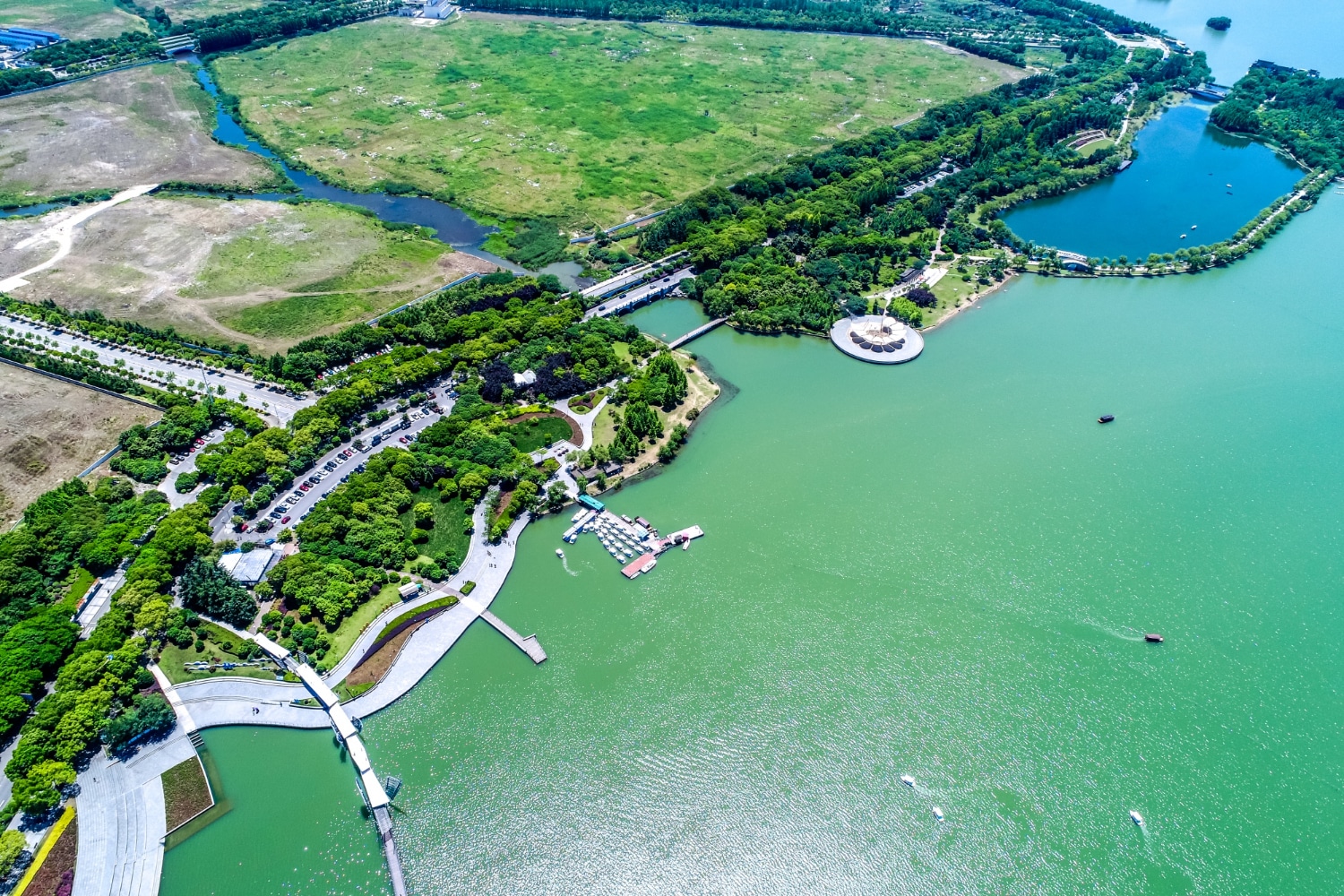
Cities and counties are modernizing aging waterfront infrastructure to improve safety, reduce maintenance burden, support growing recreation demand, and meet current accessibility expectations. Many Texas waterfront facilities now require phased upgrades because older systems were not designed for today’s visitor traffic, changing water conditions, or long-term operational pressures.
Key Takeaways
- Many older waterfronts no longer support modern recreation demand.
- Deferred maintenance increases long-term repair and liability costs.
- Phased modernization reduces operational and budget disruption.
- Accessibility improvements are driving many public waterfront projects.
- Durable infrastructure improves long-term public confidence and safety.
Why This Matters
Across Texas, many public waterfront facilities are reaching the point where repairs alone are no longer enough.
Cities, counties, HOAs, and marina operators are dealing with infrastructure originally built decades ago under completely different recreation patterns. In many cases, these waterfront systems were designed primarily around fishing access and traditional boat traffic. They were not built for today’s mix of kayaks, paddleboards, swim zones, event traffic, ADA accessibility requirements, and year-round public use.
The result is operational strain.
Aging waterfront infrastructure often creates:
- Rising maintenance costs
- Safety concerns
- Accessibility gaps
- Visitor congestion
- Shoreline deterioration
- Increasing repair downtime
- Poor public perception
Many public agencies are also discovering that older infrastructure creates staffing problems.
Maintenance crews spend more time reacting to failures instead of focusing on preventive maintenance. Emergency repairs become common during peak recreation periods. Public complaints increase. Budget forecasting becomes difficult because infrastructure reliability keeps declining.
That operational instability pushes many communities toward modernization planning.
In Texas, modernization does not always mean complete reconstruction.
Many successful waterfront projects happen through phased improvements that prioritize:
- Safety
- Accessibility
- Structural reliability
- Visitor circulation
- Maintenance reduction
- Recreation flexibility
This phased approach allows agencies to improve public access while working within realistic capital planning cycles.
It also creates flexibility when pursuing grants or tourism funding opportunities.
Waterfront modernization has become especially important in communities where lake recreation directly supports tourism and local business activity. Visitors increasingly expect clean, safe, organized waterfront experiences. Older infrastructure often struggles to meet those expectations.
For example, many aging boat ramps now experience congestion because they were never designed for current recreation volume. Older fishing docks may lack accessible pathways. Shoreline walkways may deteriorate from erosion and water fluctuation. Launch areas built decades ago may not safely support modern paddlesports traffic.
At some point, continued repairs become less practical than strategic upgrades.
Modernization planning also helps communities prepare for long-term operational realities instead of simply reacting to immediate failures.
That includes evaluating:
- Future recreation demand
- Water-level variability
- Environmental exposure
- Staffing availability
- Maintenance workload
- Tourism growth
- Emergency access needs
Cities and counties that modernize proactively usually avoid the larger financial and operational problems that come from delayed replacement planning.
Common Mistakes to Avoid
- Waiting for a catastrophic infrastructure failure before upgrading
- Treating waterfront improvements as cosmetic projects only
- Ignoring future visitor growth projections
- Delaying ADA accessibility upgrades
- Underestimating shoreline erosion impacts
- Rebuilding outdated layouts instead of improving circulation
- Failing to coordinate maintenance planning during modernization
Best Practices
Conduct a Full Waterfront Assessment First
Strong modernization projects begin with operational analysis, not construction drawings.
Agencies should evaluate:
- Structural conditions
- Visitor traffic patterns
- Maintenance history
- Safety concerns
- Accessibility gaps
- Shoreline conditions
- Emergency response access
before prioritizing upgrades.
Prioritize Operational Improvements
Some of the most effective modernization projects improve operations more than appearance.
Better circulation, safer launch access, organized recreation zones, and simplified maintenance access often create stronger long-term value than cosmetic upgrades alone.
Build Around Current Recreation Trends
Waterfront recreation has changed significantly over the last decade.
Facilities should account for:
- Kayak traffic
- Paddleboard access
- Fishing activity
- Event gatherings
- Pedestrian movement
- ADA accessibility
- Family recreation spaces
instead of relying on outdated waterfront assumptions.
Modernize in Phases
Large public waterfront projects often become more financially manageable through phased implementation.
This allows agencies to:
- Address urgent safety concerns first
- Spread capital costs over multiple years
- Maintain operational continuity
- Pursue grants strategically
- Reduce public disruption
Improve Maintenance Efficiency
Modern infrastructure should reduce long-term maintenance complexity, not increase it.
Decision-makers should evaluate how upgrades affect:
- Inspection access
- Repair frequency
- Staff workload
- Cleaning requirements
- Replacement scheduling
before approving final designs.
Maintenance & Operations Plan
Daily
- Inspect public access areas
- Remove visible debris and hazards
- Review launch and walkway safety
Weekly
- Inspect structural connectors and hardware
- Review shoreline wear conditions
- Check signage visibility and lighting
Monthly
- Evaluate visitor circulation issues
- Review ADA route conditions
- Inspect erosion-prone shoreline areas
Quarterly
- Conduct broader structural reviews
- Evaluate maintenance workload trends
- Review seasonal operational pressures
Annually
- Perform full infrastructure assessment
- Update phased modernization priorities
- Review capital replacement schedules
Budget & Planning Notes
Modernizing aging waterfront infrastructure requires balancing immediate repairs with long-term operational strategy.
Many agencies make the mistake of focusing only on short-term repair costs without evaluating how ongoing maintenance affects staffing, liability, and public satisfaction over time.
Decision-makers should account for:
- Lifecycle durability
- Future recreation demand
- Maintenance labor requirements
- Accessibility improvements
- Water-level adaptability
- Environmental resilience
- Tourism impact
Phased modernization often creates better financial stability because agencies can spread upgrades across multiple budget cycles while maintaining public access.
Grant opportunities tied to tourism, recreation, ADA accessibility, and shoreline resilience may also help offset costs.
Safety & Liability Considerations
Older waterfront infrastructure often creates hidden liability exposure.
Deteriorating walkways, unstable railings, poor lighting, outdated launch areas, and uneven shoreline access increase accident risk significantly in public recreation spaces.
Facilities should maintain:
- Documented inspections
- Safe pedestrian circulation
- Accessible emergency access
- Slip-resistant surfaces
- Clear recreation zoning
- Reliable lighting
- Routine structural reviews
Deferred modernization often increases both repair costs and liability exposure over time.
This content is informational only and not legal advice.
FAQ
Why are Texas communities modernizing aging waterfront infrastructure now?
Many facilities built decades ago no longer support current recreation demand, accessibility expectations, or long-term maintenance realities.
What creates the biggest operational problems at older waterfronts?
Deferred maintenance, outdated layouts, shoreline erosion, and growing visitor traffic create most long-term issues.
Should cities rebuild everything at once?
Usually not. Phased modernization often creates better operational continuity and budget flexibility.
Why are paddlesports affecting modernization planning?
Kayaks and paddleboards require different access points and safer circulation patterns than traditional boat traffic.
How important is ADA accessibility during modernization?
Very important. Many older facilities require updated pathways, ramps, and recreation access improvements.
Does modernization reduce maintenance burden?
In many cases, yes. Newer infrastructure often simplifies inspections, repairs, and operational consistency.
What role does tourism play in waterfront upgrades?
Waterfront recreation directly affects local tourism, visitor satisfaction, and economic activity in many Texas communities.
How do changing water levels affect modernization?
Water fluctuations impact dock usability, shoreline stability, launch access, and infrastructure stress throughout the year.
What should agencies prioritize first?
Safety risks, structural problems, accessibility gaps, and circulation issues should typically come first.
Why is lifecycle planning important?
Facilities that evaluate long-term operational costs usually avoid larger repair and replacement problems later.
Checklist
☐ Conduct full waterfront infrastructure assessment
☐ Review maintenance history and repair frequency
☐ Evaluate ADA accessibility conditions
☐ Assess shoreline erosion exposure
☐ Review visitor traffic patterns
☐ Identify safety-related deficiencies
☐ Inspect lighting and visibility conditions
☐ Evaluate launch area congestion
☐ Review emergency response access
☐ Plan phased modernization priorities
☐ Forecast long-term maintenance costs
☐ Evaluate tourism and recreation demand
☐ Coordinate environmental review requirements
☐ Update capital replacement schedules
☐ Document inspection and safety procedures
As demand for recreation continues to grow across Texas lakes, marinas, county parks, and municipal waterfronts, many communities are reevaluating aging waterfront infrastructure to improve safety, accessibility, durability, and long-term operational performance. Organizations planning phased waterfront modernization or evaluating future recreation upgrades can connect with EZ Dock Texas or follow regional waterfront planning discussions and project insights on Facebook.