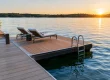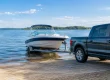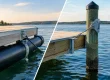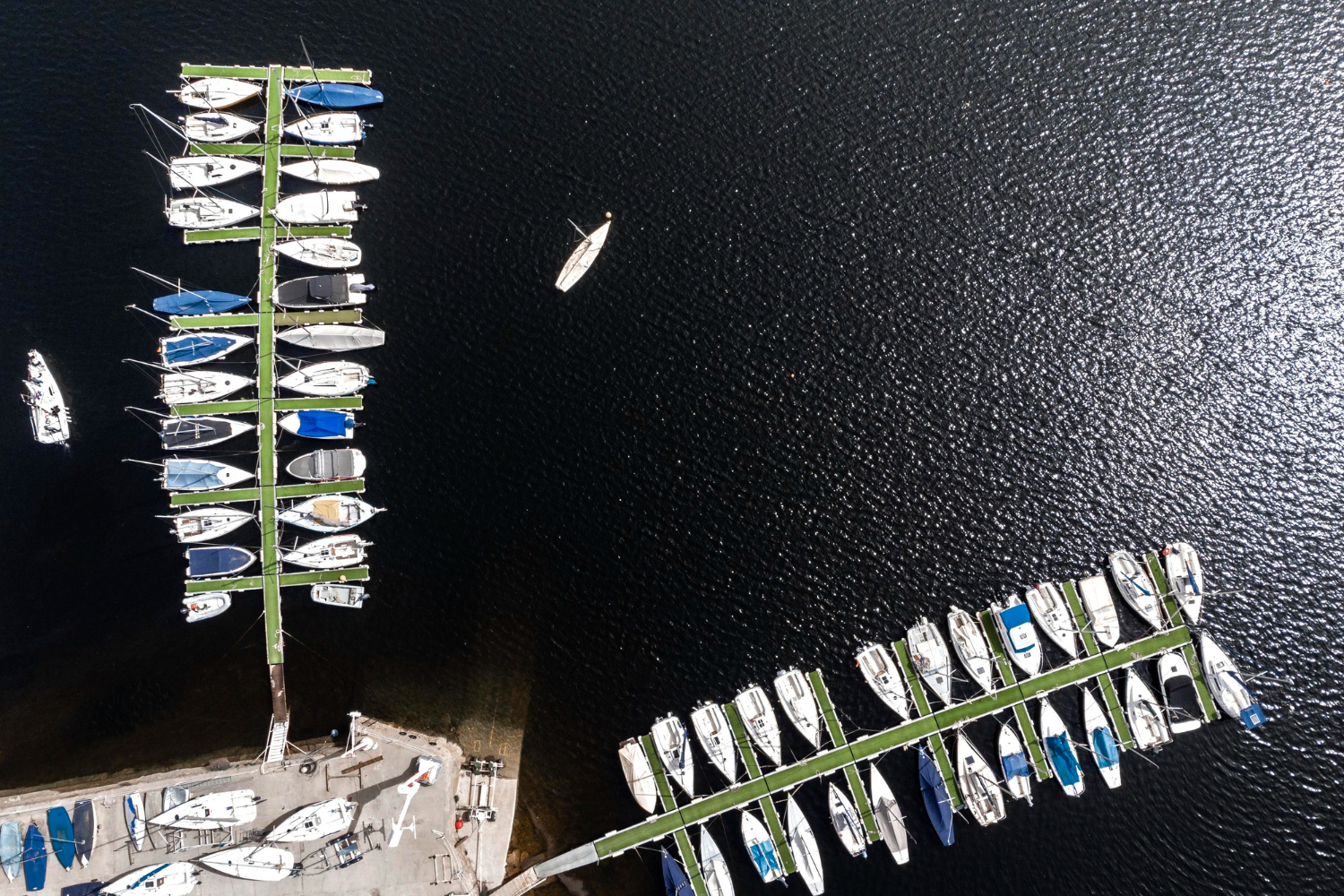
Securing a heavy-duty marine platform over steep, deep-water shorelines requires a precise combination of structural flexibility and balanced counterweights. Understanding the engineering behind stabilizing floating docks in deep-water residential lakes means moving away from short, rigid pilings and choosing advanced groutless anchoring systems, self-adjusting winches, and high-tensile rubber couplers. This specialized design allows the entire platform to ride out massive vertical water level shifts while absorbing horizontal wave energy from heavy boat wakes and high winds. By connecting rotationally molded polyethylene modules into a unified structural grid, property managers ensure absolute deck stability, protect shoreline connections, and guarantee long-term asset longevity.
The Physics of the Waterfront: Managing Site Conditions
Deep-water residential lakes and massive reservoirs face continuous hydrodynamic forces, including long-travel wind fetch, heavy multi-directional boat wakes, and dramatic seasonal water level drawdowns. On deep lakes where the underwater drop-off is steep, traditional fixed timber or steel pilings are often impractical or incredibly expensive to install; driving exceptionally long piles into deep lakebeds creates a long lever arm that easily bends or snaps under heavy wave impacts.
Furthermore, rigid structures cannot adapt when the lake level drops twenty to thirty feet. An engineered floating dock system solves this challenge by riding the water surface directly. The core engineering focus shifts from keeping the deck above water to mastering lateral stabilization, using dynamic tension systems that allow the dock to adjust vertically while remaining perfectly rigid underfoot.
Primary Risk and Operational Challenges
Severe Roll Instability and Deck Tipping
If a floating dock lacks a properly balanced footprint and heavy-duty connection joints, localized weight loads (like a group of guests boarding a boat at one time) can cause the deck to tip or roll, creating immediate safety risks and liability issues.
Anchor Line Snapping and Structural Drift
Deep-water anchoring requires managing immense lateral forces from heavy winds and boat wakes. Using low-grade cables or rigid anchor bars can lead to sudden shear failures, causing the dock to snap its lines and drift into open water, threatening your watercraft fleet.
Shore Connection Failure and Bulkhead Tearing
As a floating dock rises and falls across large water level changes, it exerts massive mechanical leverage on its shore attachment points. Without flexible, multi-axis hinges, this constant pulling can tear anchor plates right out of concrete bulkheads or timber retaining walls.
Engineering and Design Evaluation Criteria
Building a highly stable deep-water asset for a premium estate or multi-family lakefront development requires dock materials with high impact resistance to handle debris impacts and wave torque without cracking. Property managers should select heavy-duty, UV-stabilized linear low-density polyethylene (LLDPE) systems with a rotationally molded, hollow chamber design. This advanced architecture utilizes a vacuum-forming effect on the water surface, creating a strong suction grip that naturally dampens rolling wave movements and provides exceptional stability underfoot.
The anchoring system must deliver excellent depth adaptability to handle vertical shifts without relying on rigid underwater grout or permanent, unyielding anchor beds. Using heavy-wall internal pile guides or self-tensioning, sub-surface cable anchor systems paired with heavy-weight marine deadman blocks ensures high lateral stability across all water levels. This modular scalability allows estate managers to easily reconfigure or expand the dock layout, adding extra boat slips or PWC ports over time without needing to redesign the primary shore anchors.
Best Practices for Site Integration and Longevity
A successful deep-water installation begins with a detailed bathymetric lakebed profile to map out depth changes, underwater slopes, and soil density. Position the main dock structure to run parallel to the natural shoreline contours, ensuring all deep-water anchor lines maintain a balanced, stable pull angle.
The dock must connect to the shore using an articulated aluminum gangway with heavy-duty, dual-component flexible rubber couplers that allow independent pitch, roll, and yaw. This multi-axis movement prevents wave twisting forces from transferring damage back into the shore bulkhead. Secure all anchor lines with heavy-duty, marine-grade stainless steel winches and spring-loaded tension blocks that automatically adjust line slack during seasonal lake drawdowns. Set up a regular seasonal maintenance routine to check cable tension and torque connection bolts, ensuring your floating dock infrastructure remains perfectly centered and stable through year-round storms.
Site Assessment Planning Checklist
- [ ] Bathymetric Depth Profiling: Measure the exact lakebed depth and slope from the shoreline out to your maximum dock footprint.
- [ ] Footprint Balance Calculation: Design the dock layout with a wide, stable base (such as a T or U-shape) to naturally minimize rolling and tipping.
- [ ] Anchor Cable Tension Mapping: Verify that all underwater cross-cables are set at optimal angles to deliver maximum lateral resistance.
- [ ] Deadman Weight Verification: Ensure all underwater concrete anchor blocks are sized correctly to handle the dock’s total surface wind load.
- [ ] Shore Bulkhead Structural Inspection: Confirm that your concrete or stone retaining wall is strong enough to handle shore anchor brackets.
- [ ] Gangway Roller Travel Path: Verify that the land-side gangway wheels have a clear, smooth path to roll back and forth as water levels change.
- [ ] Coupler Material Testing: Check that all modular connection joints use high-tensile, shock-absorbing rubber couplers instead of rigid metal bolts.
- [ ] Local Authority Footprint Permits: Ensure your deep-water layout matches all local river authority and shoreline management rules.
Frequently Asked Questions
How do you keep a floating dock from rocking and tipping when guests walk on the edge?
Premium polyethylene docks use a hollow, chambered bottom design that creates a localized vacuum effect on the water. This suction, combined with a wide modular layout, provides exceptional stability that resists rolling underfoot.
What anchoring is best when the water is too deep for traditional wood pilings?
For deep-water residential lakes, a heavy-duty cable anchoring system paired with heavy-weight deadman blocks on the lakebed and self-tensioning winches on the dock provides excellent lateral stability.
Can a flexible modular dock really handle the twisting forces of heavy boat wake?
Yes. Unlike rigid wood or aluminum docks that crack under strain, modular systems use high-tensile rubber couplers that flex slightly to absorb and dissipate wave energy safely across the entire grid.
Do the underwater cable anchor systems require frequent adjustments?
No. When set up with self-adjusting tension springs or heavy-weight take-up blocks, the system automatically takes up slack and releases line as the dock moves up and down, keeping maintenance very low.
Is it possible to run shore power and fresh water lines down to a deep-water floating dock?
Yes. Property managers use specialized marine utility loops and flexible conduit tracks along the moving gangway, allowing power and water lines to extend and contract safely without pinching or breaking.
Modernizing Deep-Water Properties with Advanced Marine Engineering
Building a stable, long-lasting dock over a steep, deep-water shoreline requires a smart mix of modern materials and proven marine physics. Understanding the engineering behind stabilizing floating docks in deep-water residential lakes keeps your slips fully operational, protects your watercraft fleet, and ensures your private waterfront remains safe and welcoming for years to come.
As a leading consulting, planning, and engineering partner for luxury estates, multi-family developments, and private marinas across Texas lakes, EZ Dock Texas provides custom site assessments and heavy-duty floating dock infrastructure built for demanding deep-water spaces. Our experienced team delivers turn-key layouts designed for top-tier stability and long-term durability. To see our recent deep-water projects and connect with regional specialists, visit our community page on Facebook.